Pakse
Pakse is the Champasak regional capital, and the main transport and business hub for southern Laos. It’s also the main gathering centre for tourists heading off on different routes around the province. The city is located on a natural peninsular created from the confluence of the Mekong and Nam Sedone Rivers.


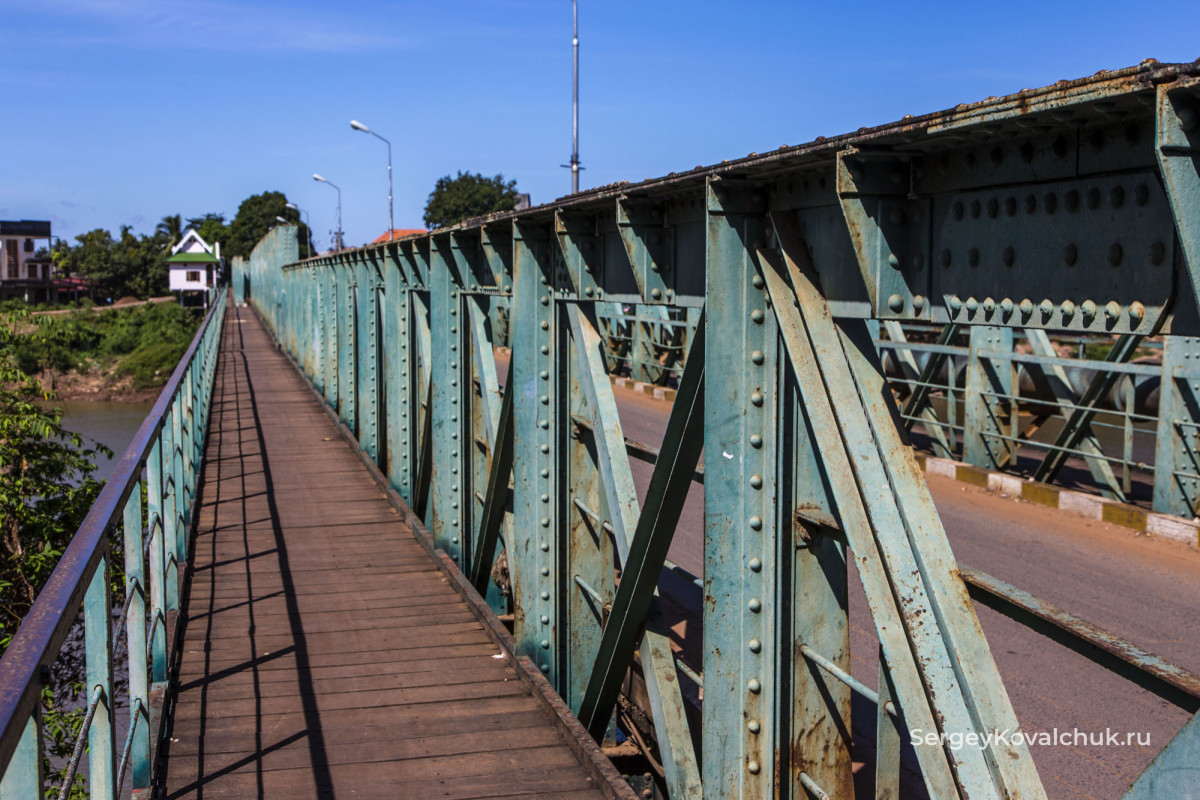
Three bridges cross the rivers here – two from the Nam Se side, of which the oldest is the “French” bridge from the early C19th – and the other, the “Russian” bridge across the Mekong. The third is the “Japanese” bridge, opened in 2002, and forming the main highway access to Thailand. There are floating restaurants on the Mekong here too, serving foreign tourists and locals alike.
They also sell local specialities – frogs, fish, terrapins, and even snakes, wild birds and different animals. The entire huge range of goods and foodstuffs produced in Southern Laos is on view at the City Market – which occupies a whole quarter of the city.
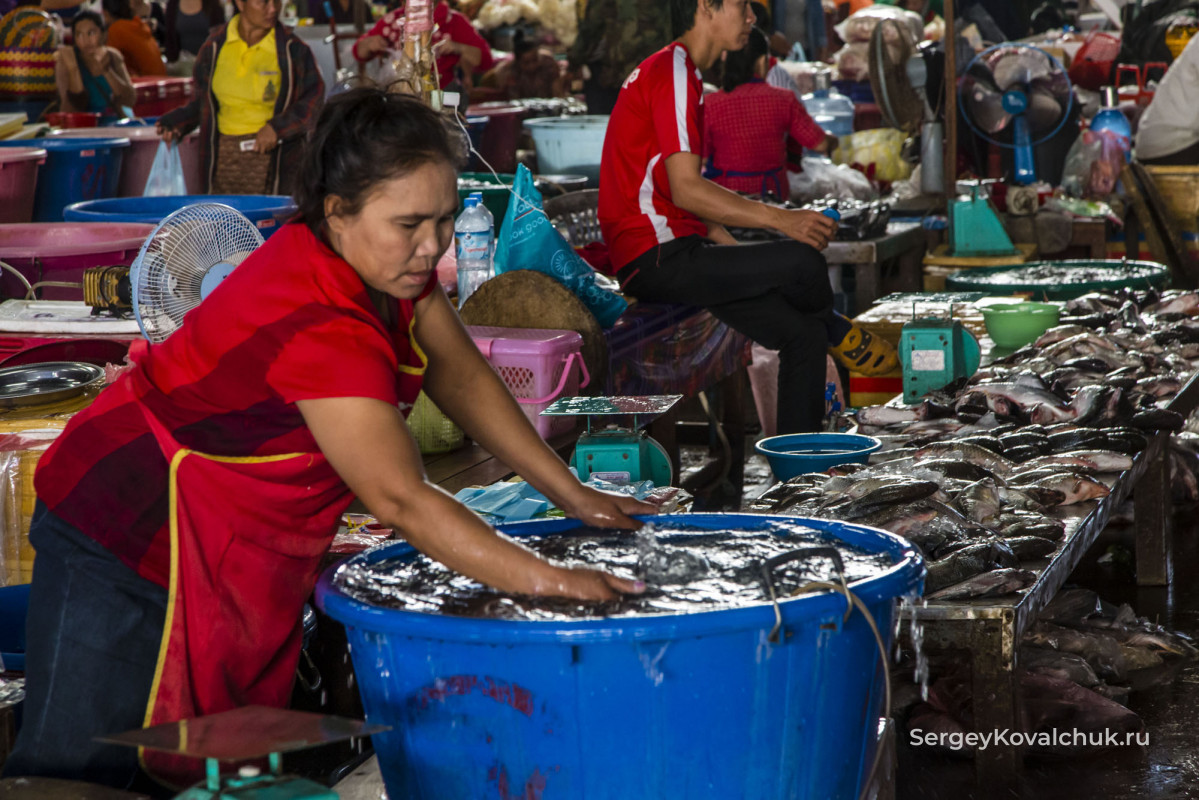
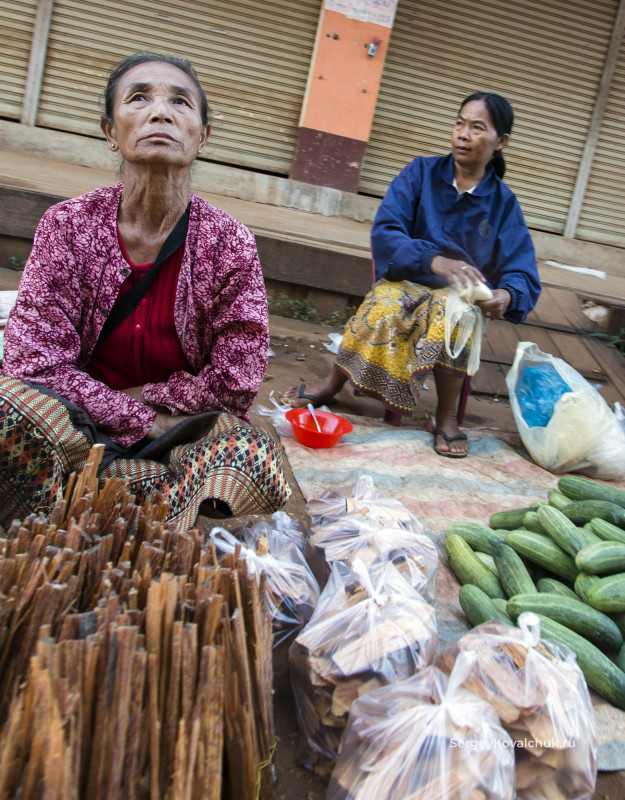


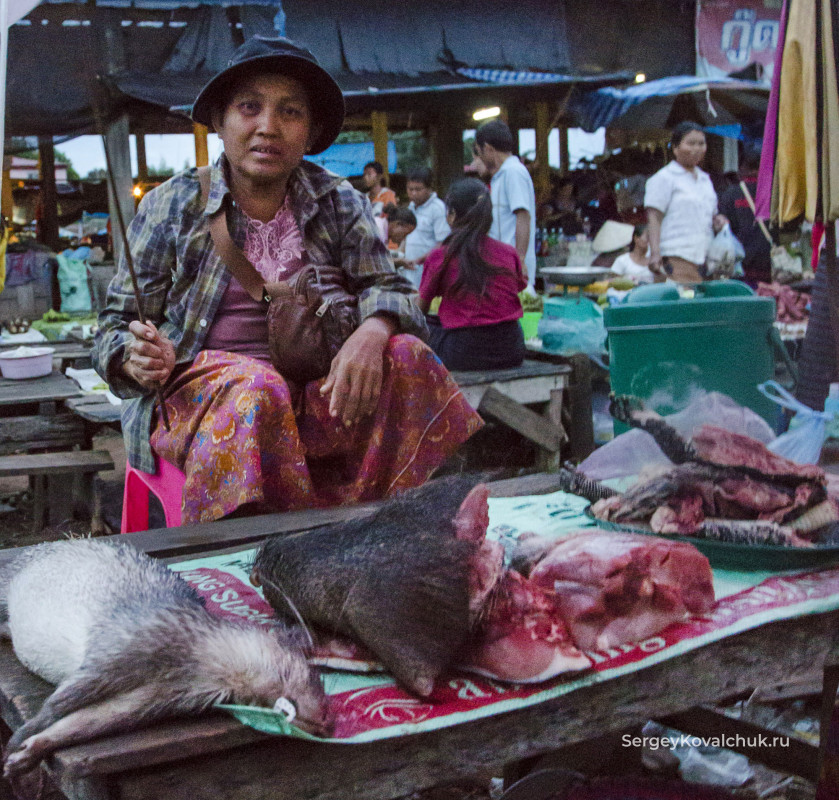
They also sell local specialities – frogs, fish, terrapins, and even snakes, wild birds and different animals.
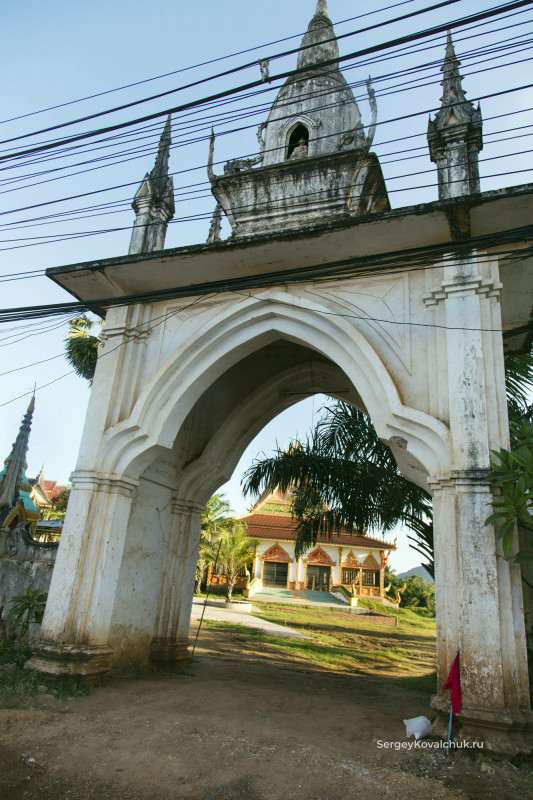
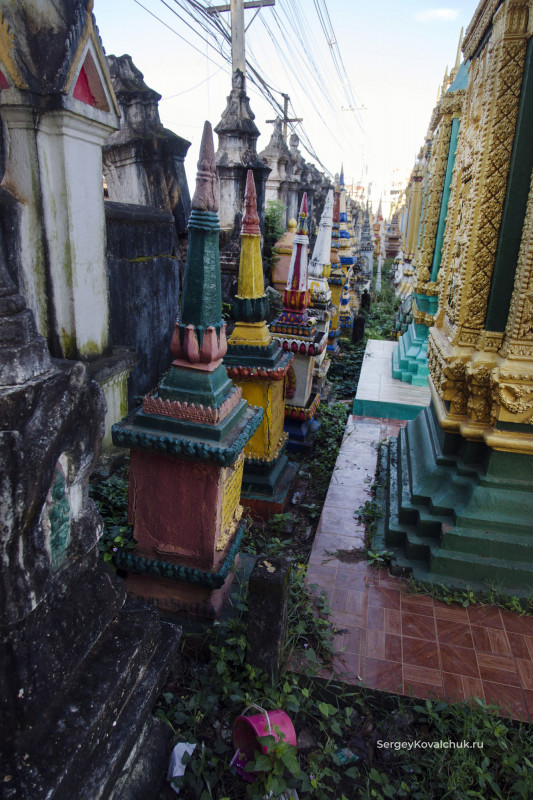
Rusting military hardware, and gravestones near the temple are grim reminders of the recent past .
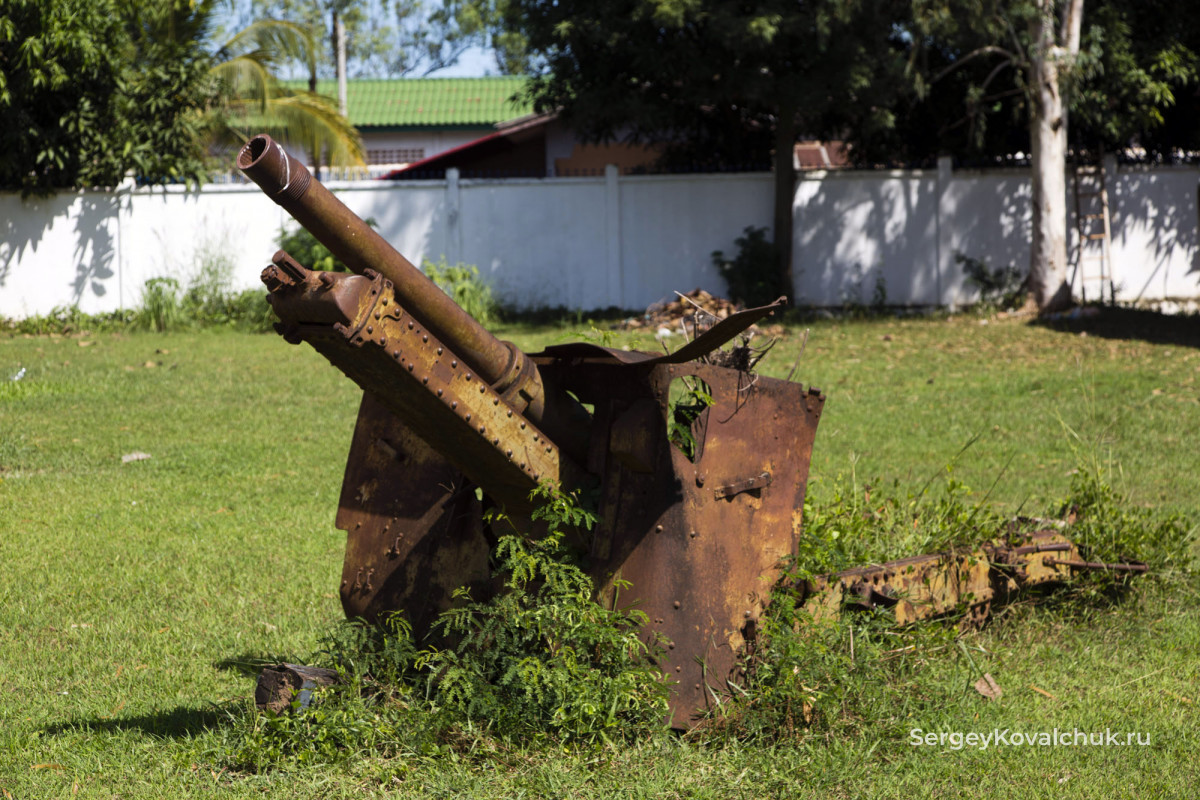
Wat Luang
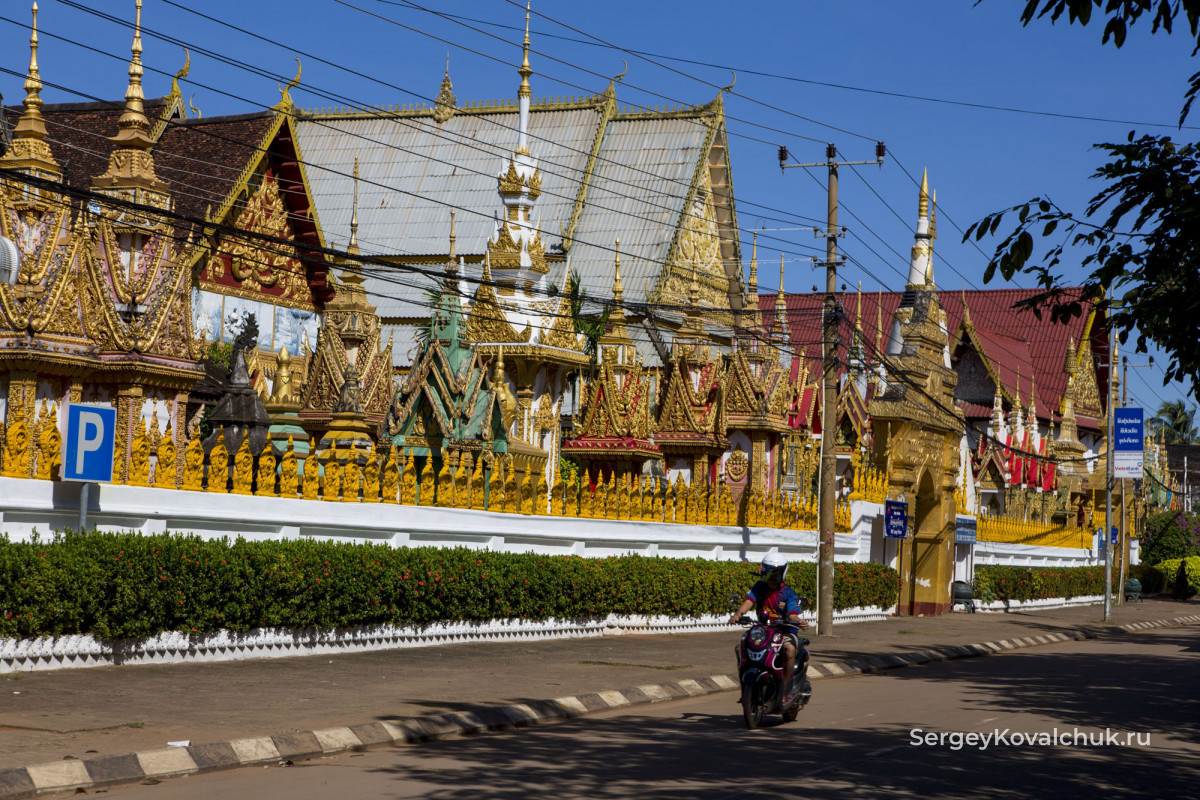
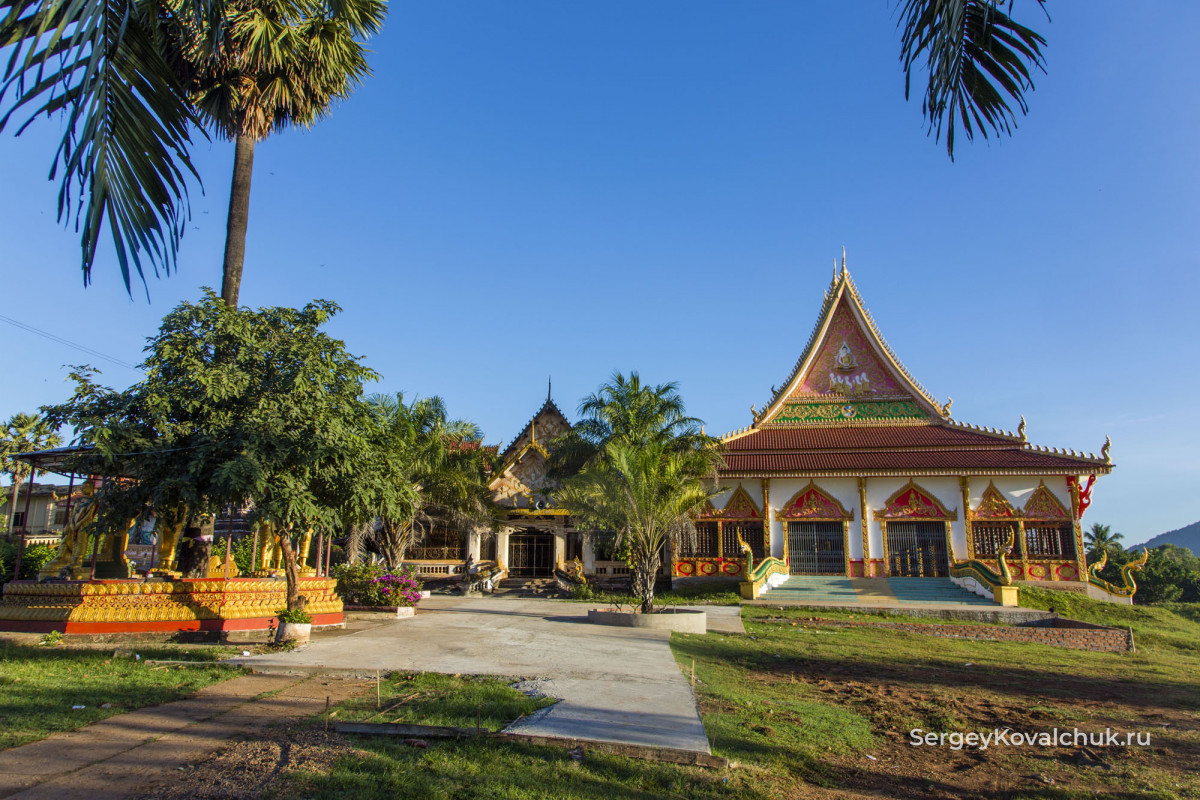
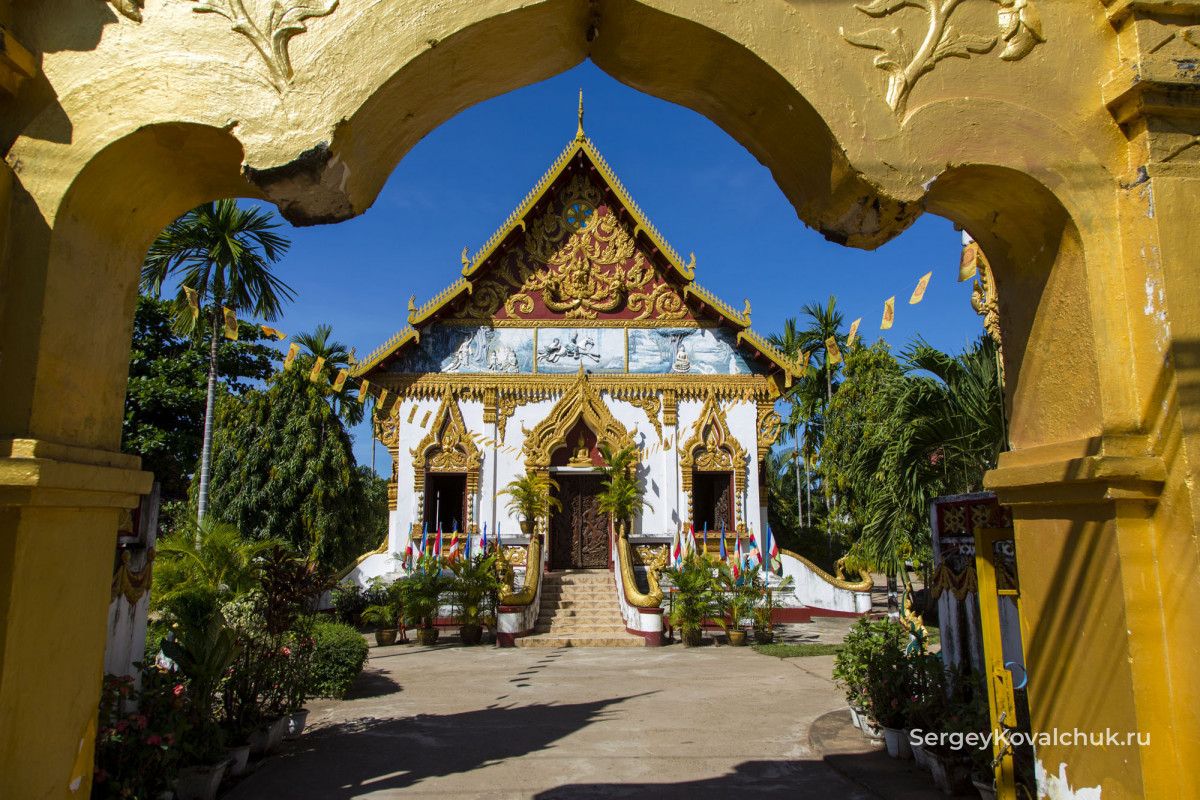
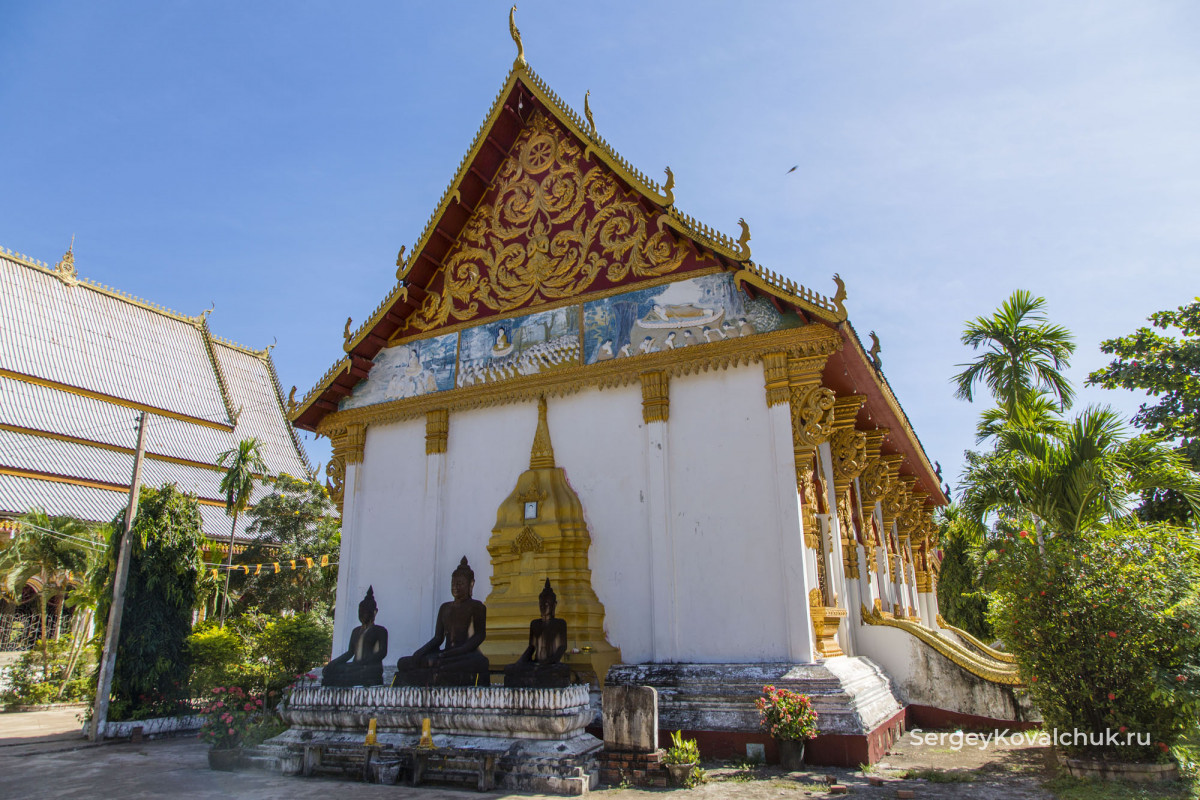
Wat Luang is the main temple of Pakse, located in the centre of the city on the Se River embankment by the “French” bridge. The temple was dedicated in 1935, and also functions as a Buddhist college.


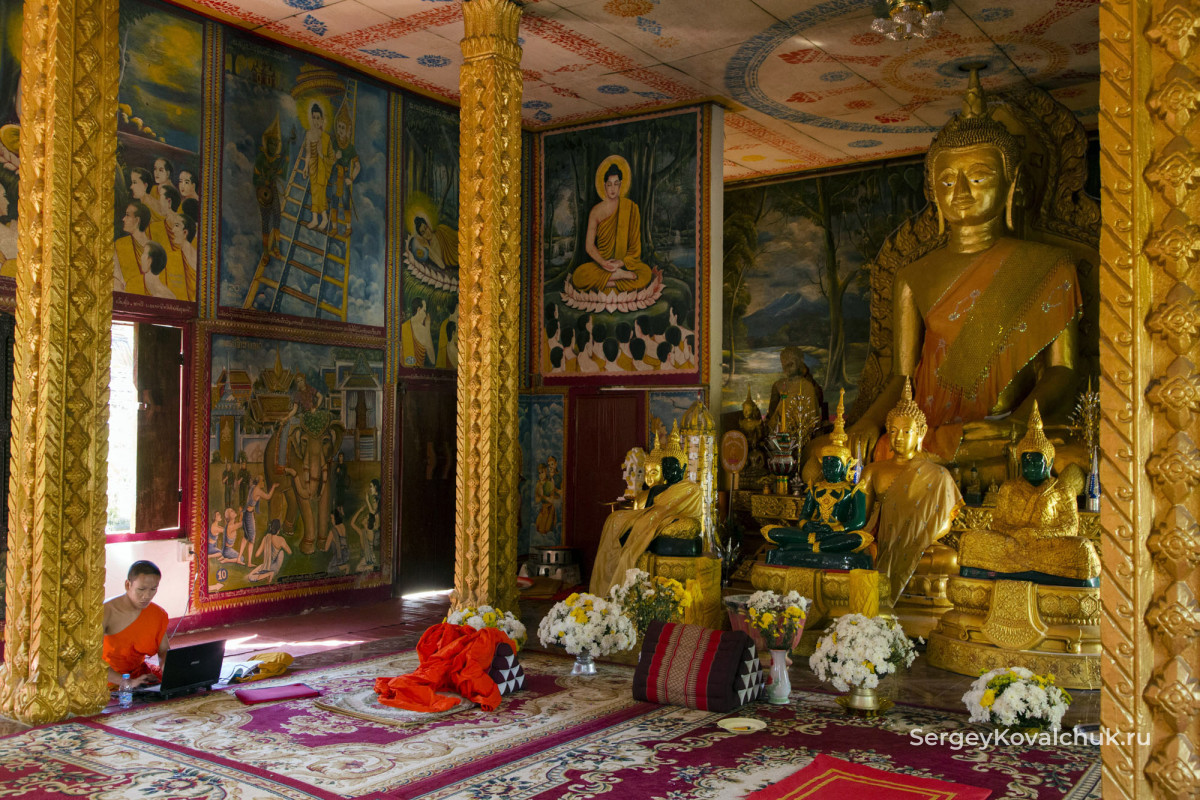
It’s unusual to see a monk with a computer in the temple.
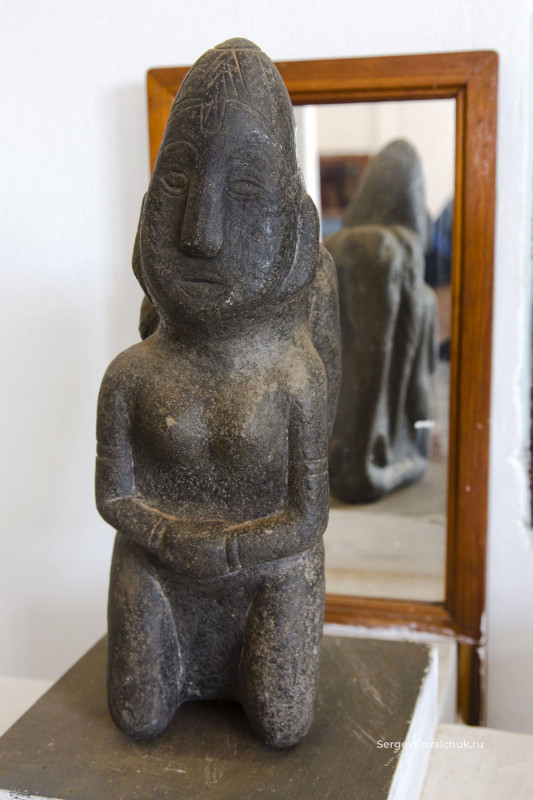
All the museums have displays about three everpresent topics. There’s the ancient history of the country, with artifacts and photos of archaeological sites; items about the period of the Indochina war and American bombardment; and the story of how the Republic was formed.
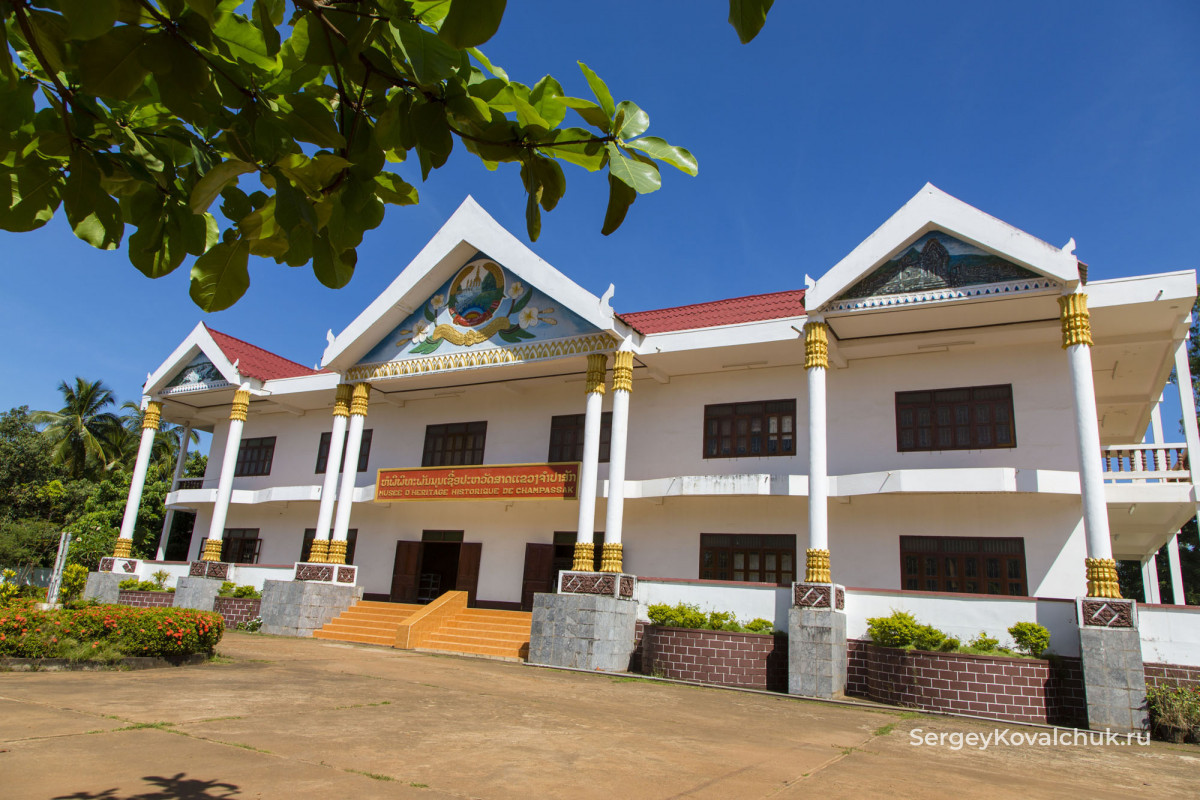

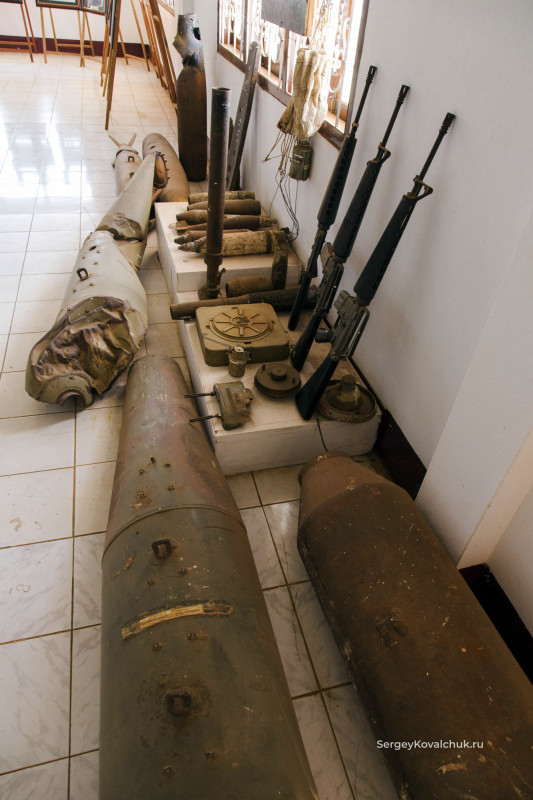
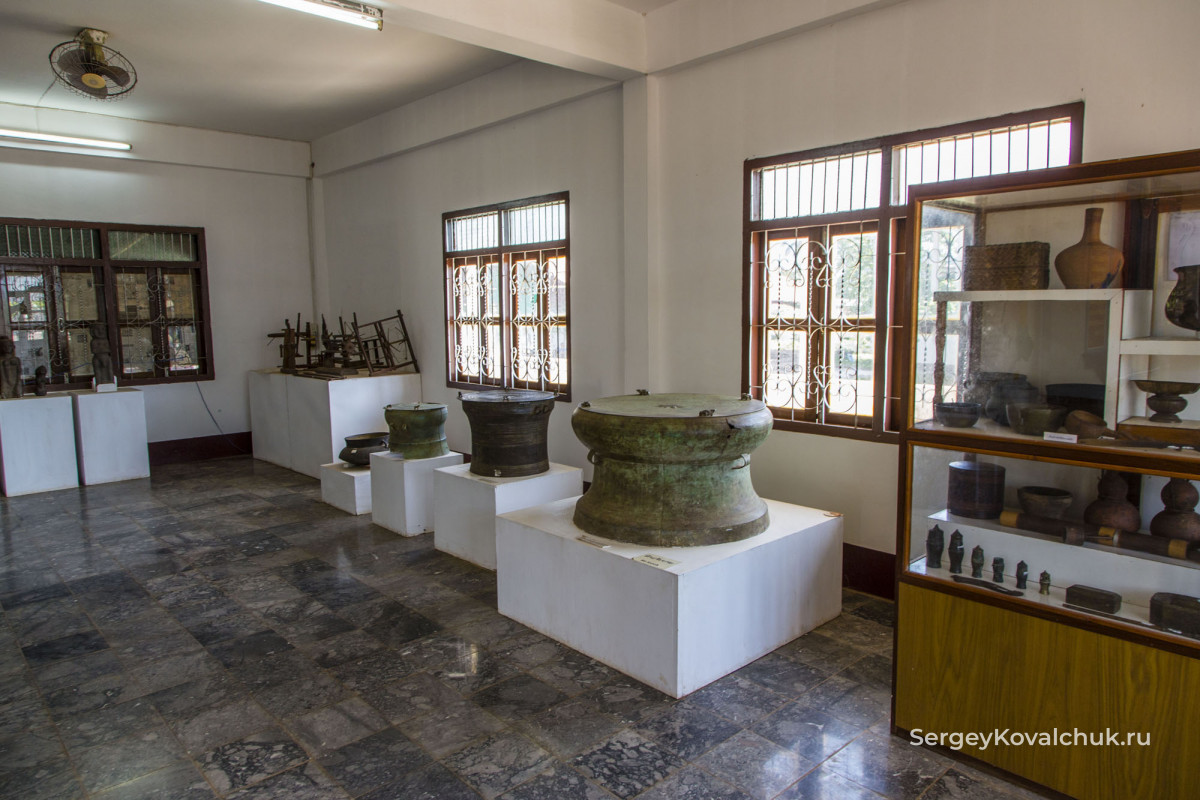

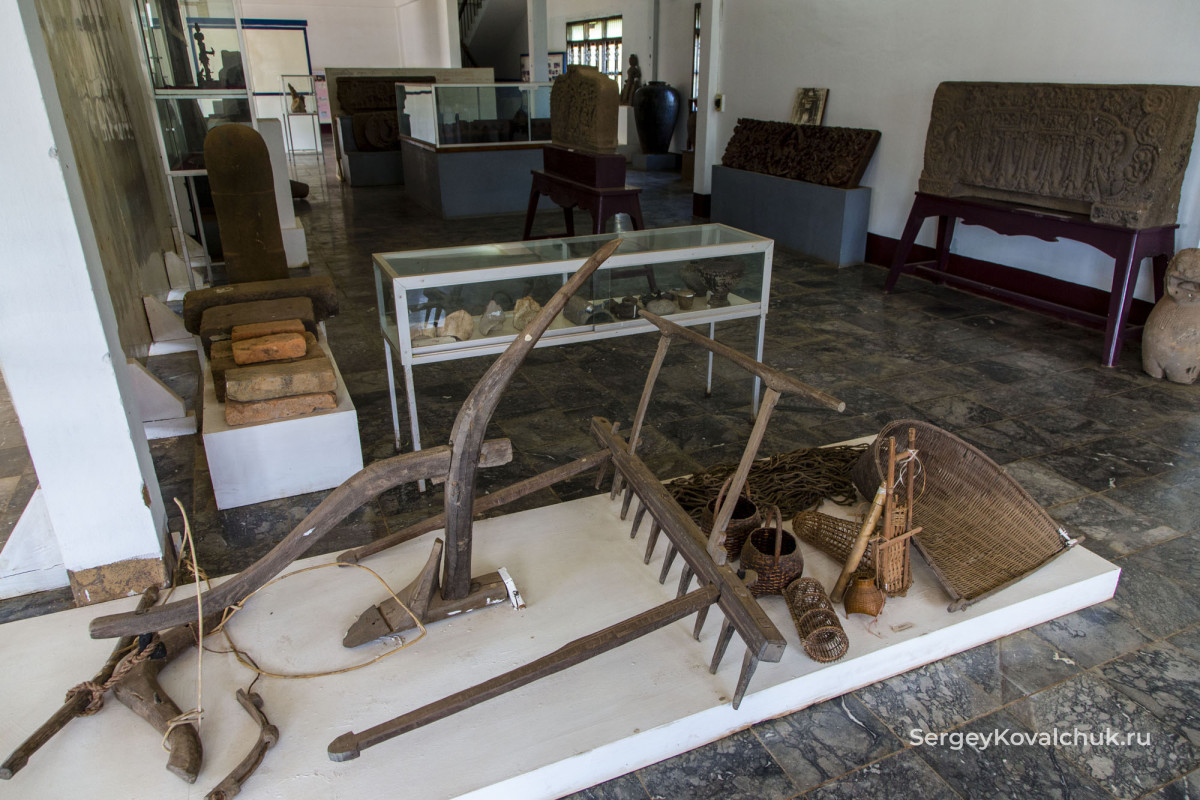


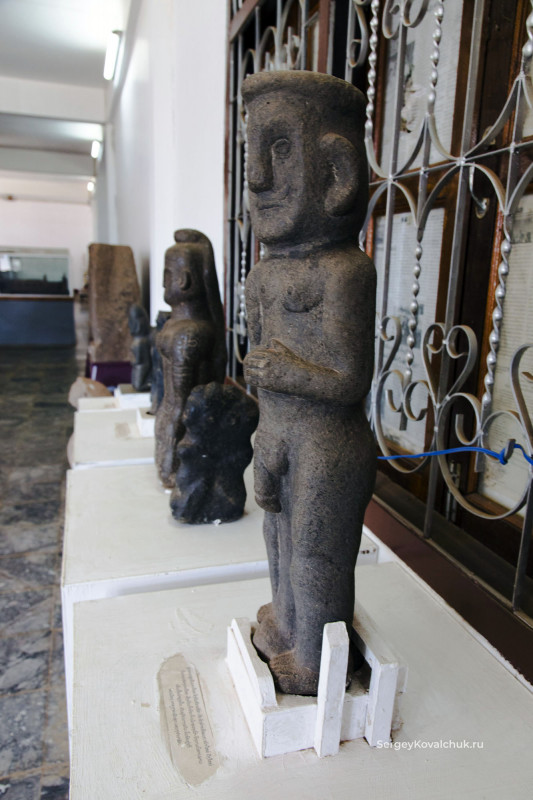
Some of the signs in the Champasak Historic Heritage Museum seem a little antiquated themselves!