Lobsters Nicaragua

On the island of Big Corn, a significant portion of the male population is engaged in fishing for lobsters or lobsters.
44
Photos

The catch of lobsters is one of the most important industrial activities on the Atlantic coast of Nicaragua. On the island of Big Corn, a significant part of the male population is engaged in this fishery.

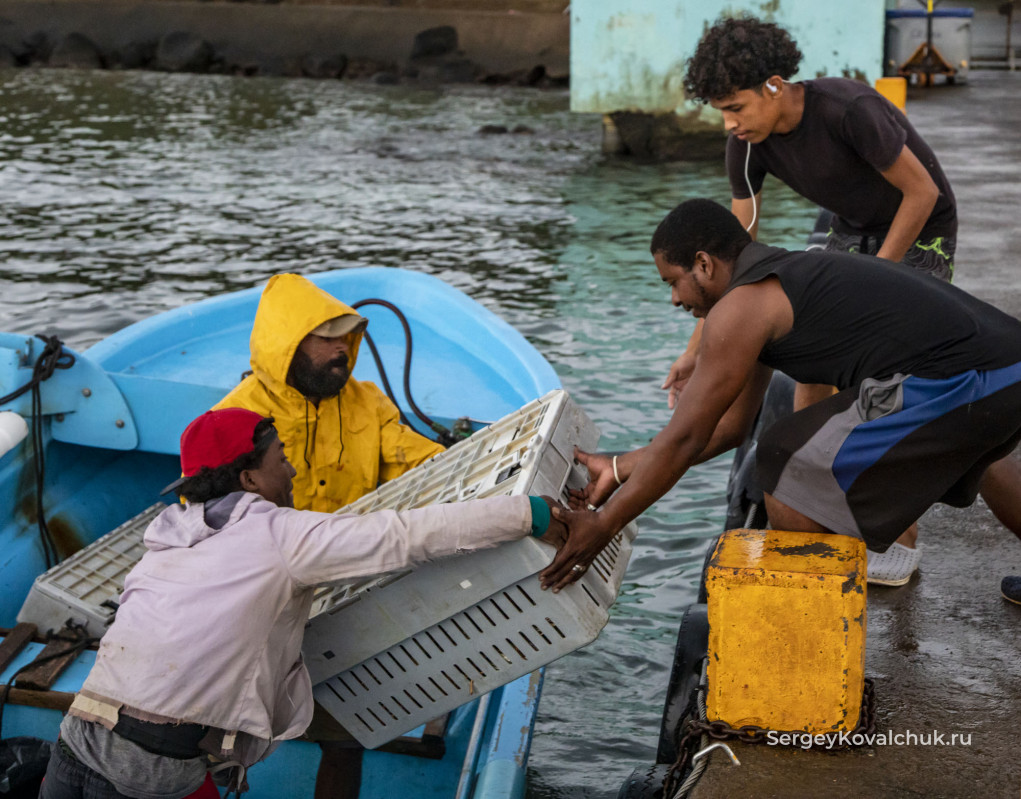
Numerous fishing boats go to sea early in the morning and return in the evening with a catch.

Nicaragua. South Caribbean Coast Autonomous Region. Corn Islands

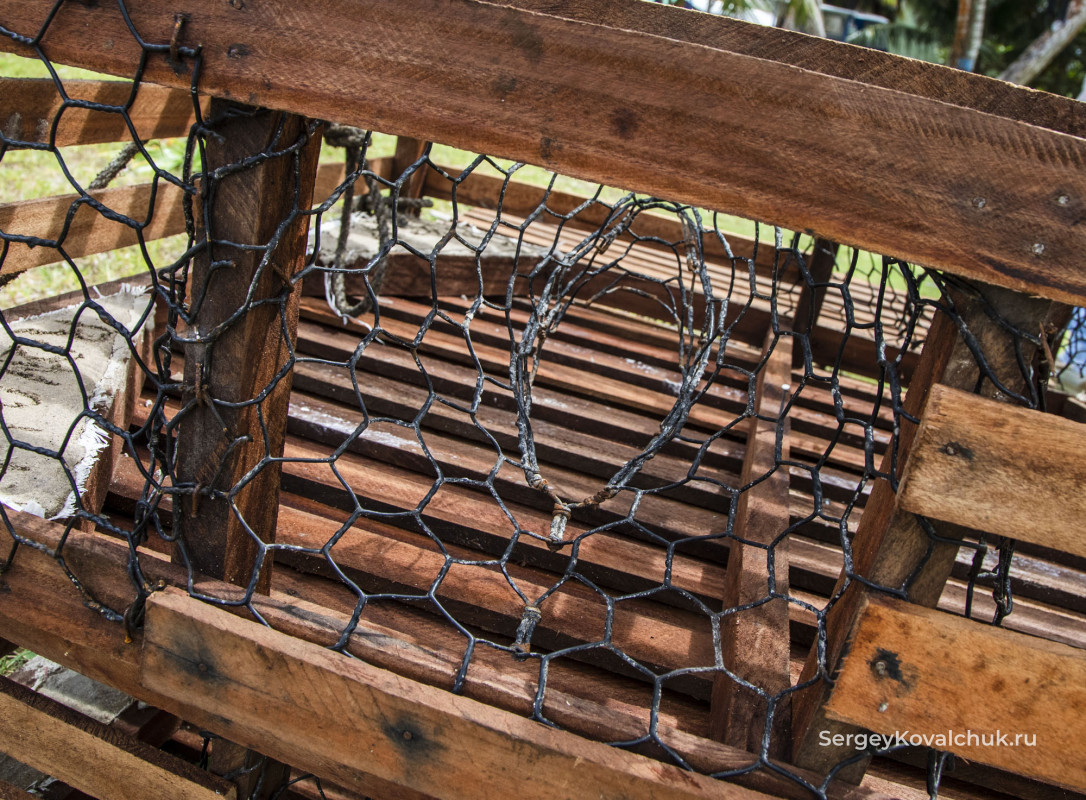
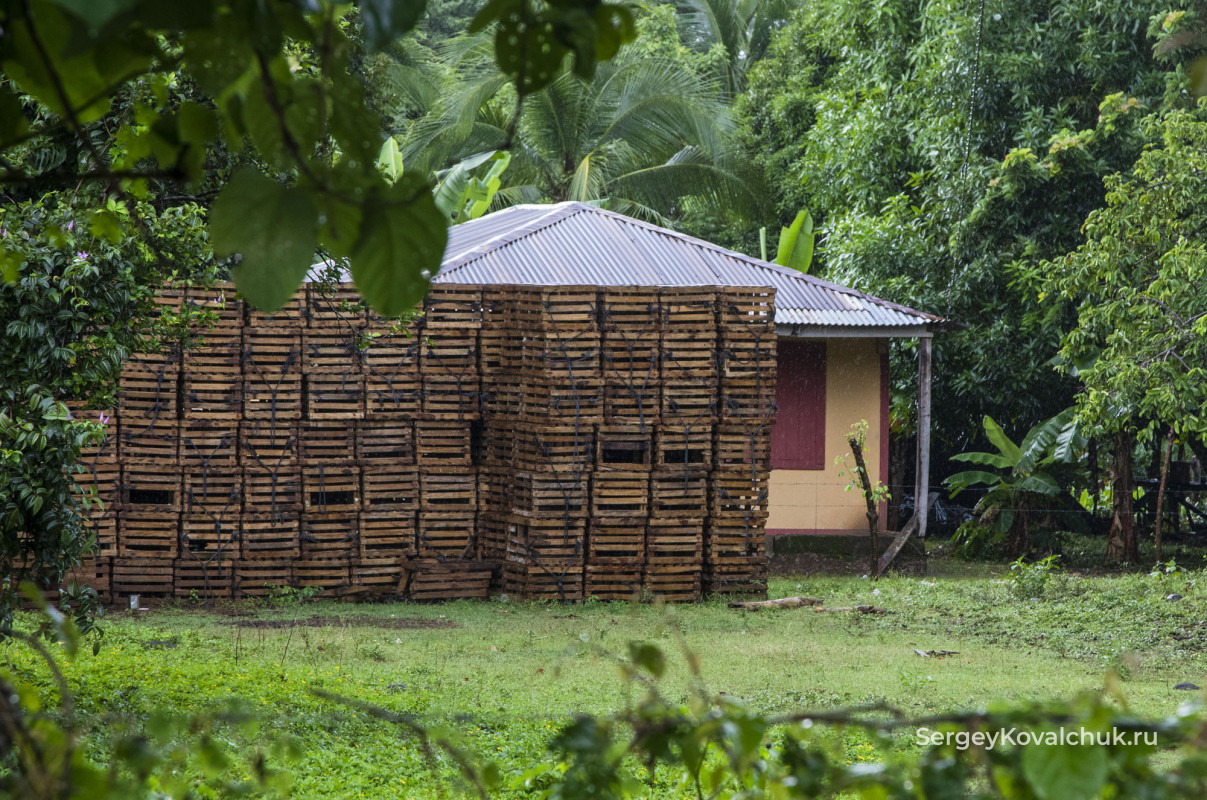
Lobsters are caught with special traps. A lobster breaks into such a trap behind the bait, but cannot get out.

Nicaragua. South Caribbean Coast Autonomous Region. Corn Islands

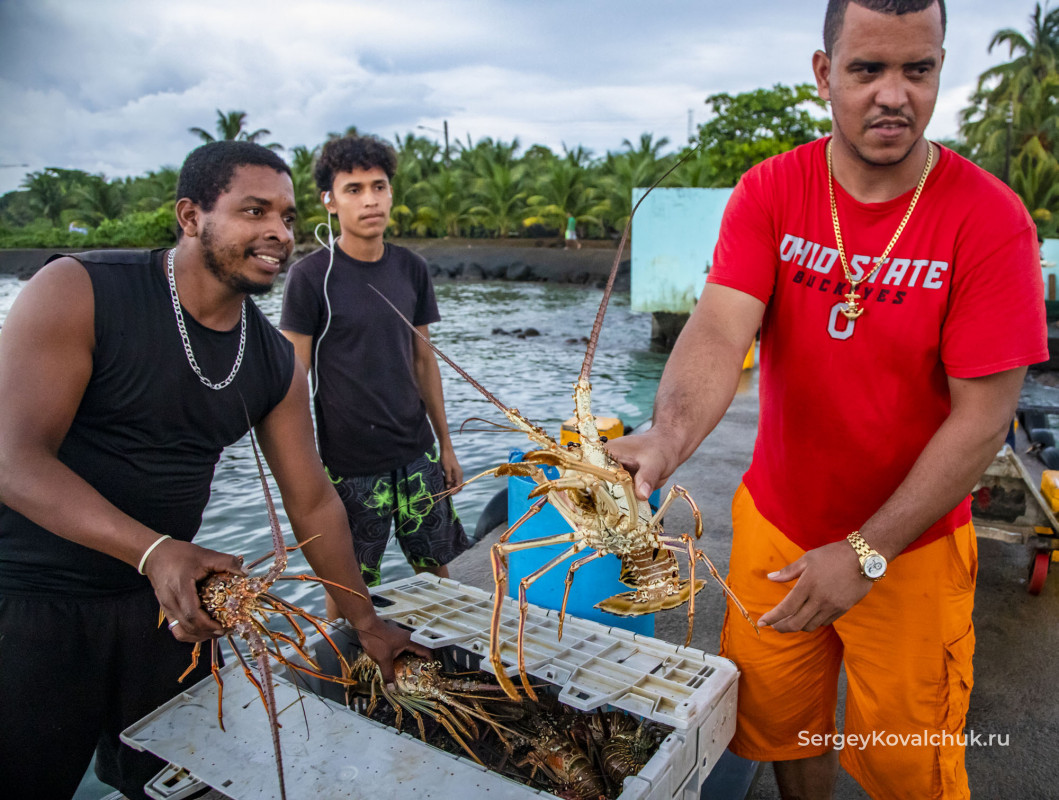
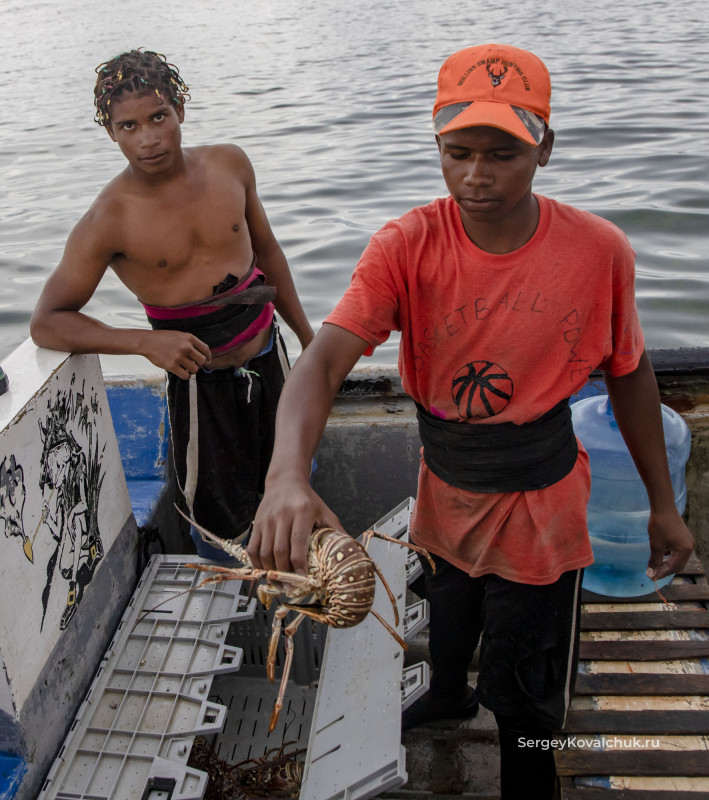
Fishermen arriving from lobster fishing demonstrate their catch. For some sailing boats, prey is filled with several special plastic boxes for catch, and for some with only a dozen pieces. Good luck determines everything!
Nicaragua. South Caribbean Coast Autonomous Region. Corn Islands

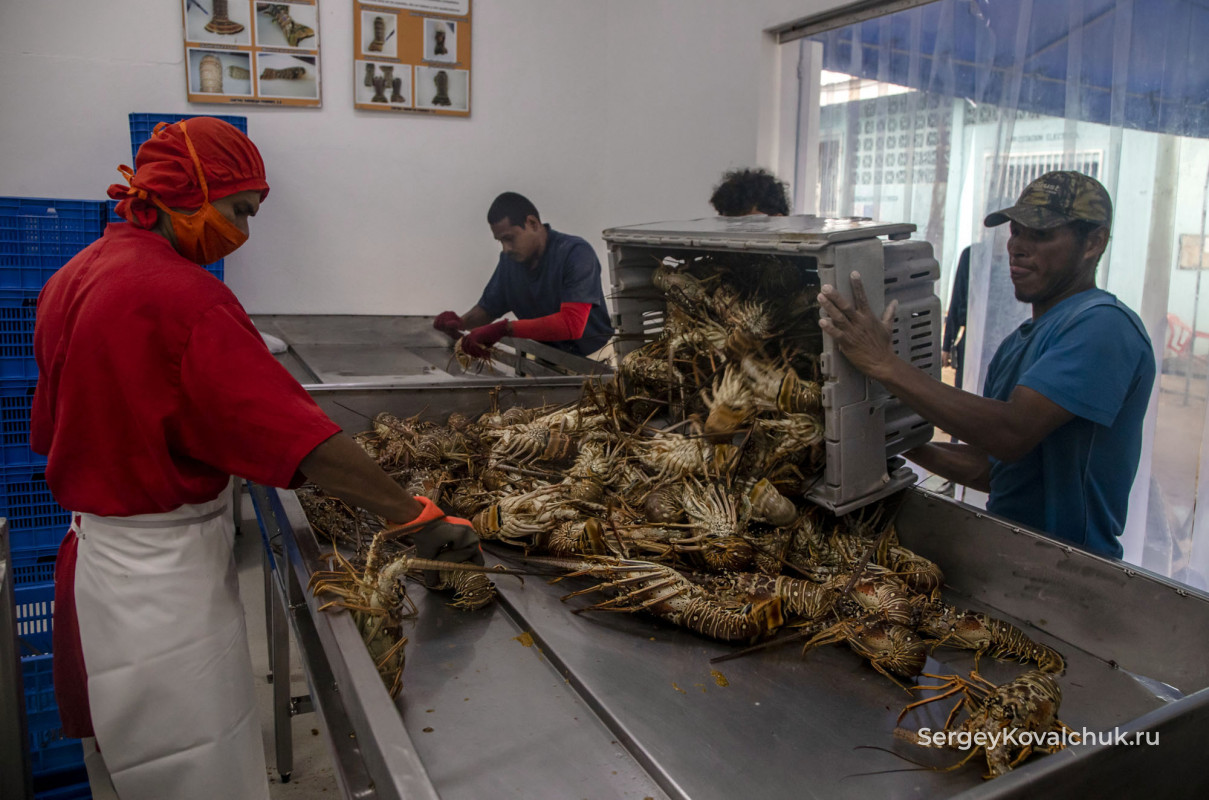
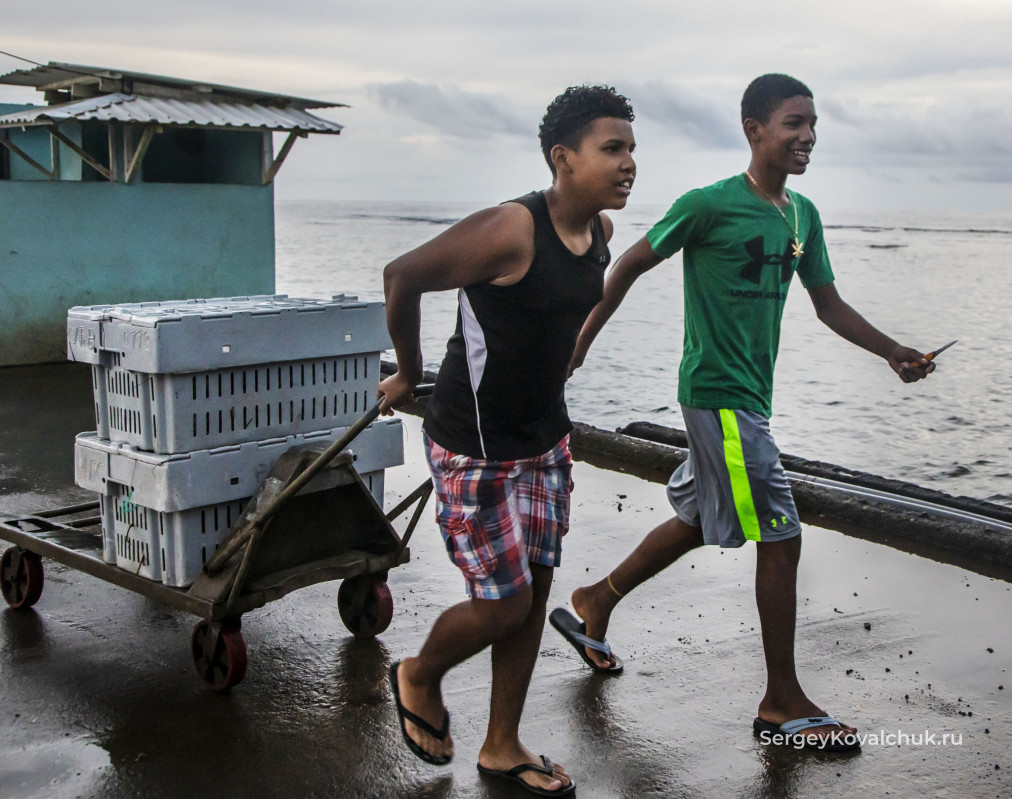
Two companies are engaged in the purchase of fishermen and the processing of catches on Big Corn. Immediately from the pier, live goods are transferred to the territory of the company and arrive at the collection point.

Nicaragua. South Caribbean Coast Autonomous Region. Corn Islands

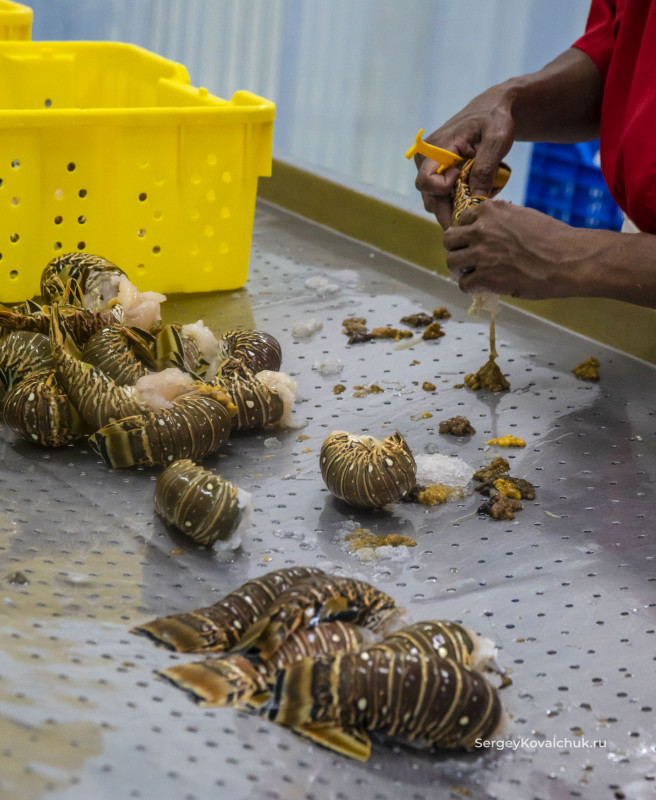
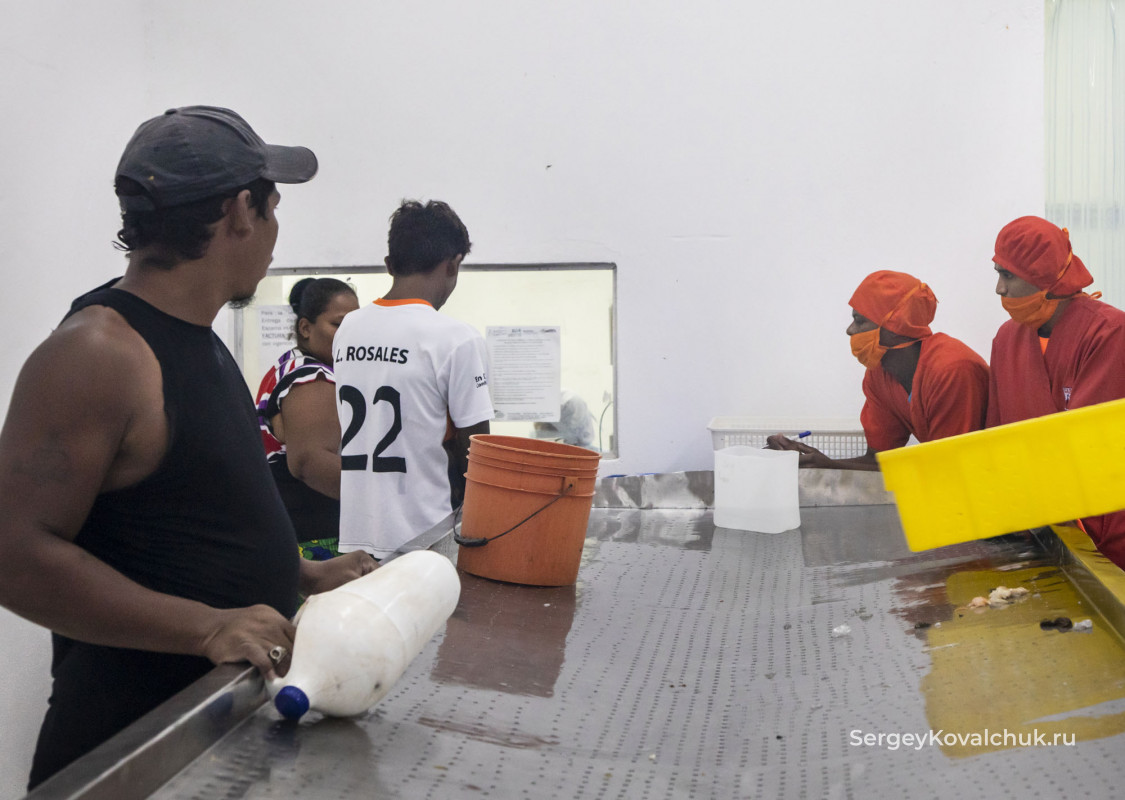
Acceptance of goods goes immediately with sorting. Varieties differ primarily in size. The correct shape of the animal is also important. In completely wrong lobsters, only the tail is torn off and delivered as a separate product.

Nicaragua. South Caribbean Coast Autonomous Region. Corn Islands

In the photo you can see posters that show the rules of separation by grades.
Nicaragua. South Caribbean Coast Autonomous Region. Corn Islands

Immediately at the receiving point, the fisherman is paid a reward. The result of the work of a fisherman in a whole day!

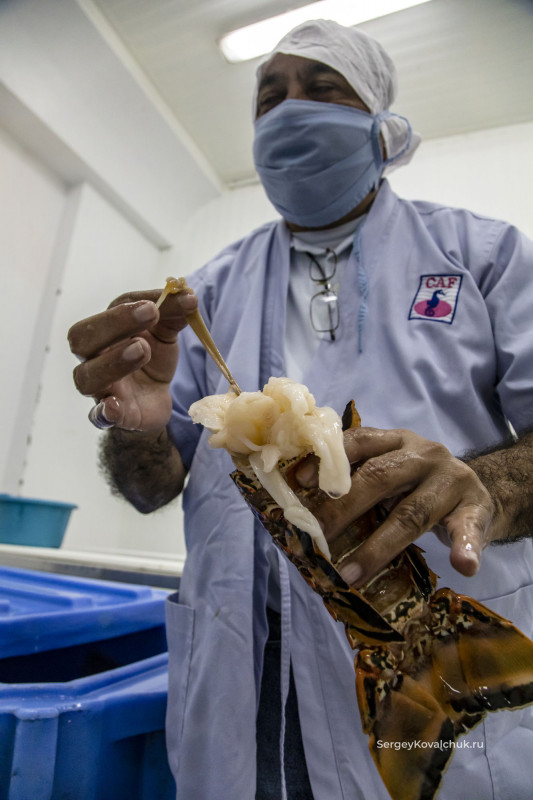
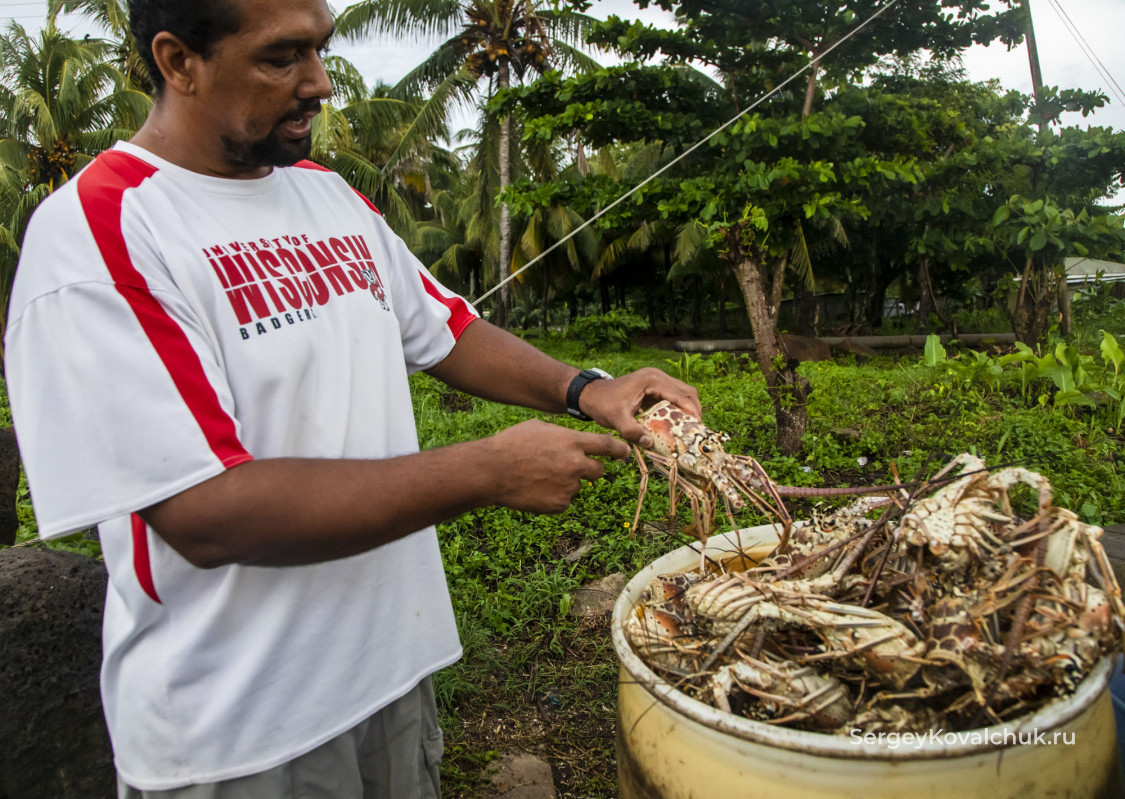
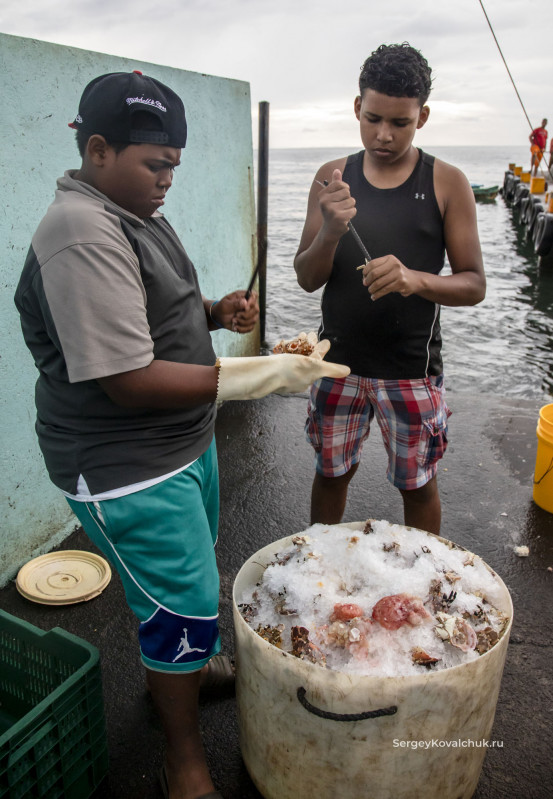
The bodies of rejected lobsters with torn tails return to the fisherman. The edible portion is also extracted from them. But, this is no longer a marketable product for the company.
Nicaragua. South Caribbean Coast Autonomous Region. Corn Islands

An excursion to the lobster processing company, where I received permission to shoot, impressed, first of all, with the sanitary rules. The company exports goods to different countries of the world. Sterile and technological! The manager of the company explains to me and my attendant how to properly wash the boots issued for visiting the production site.
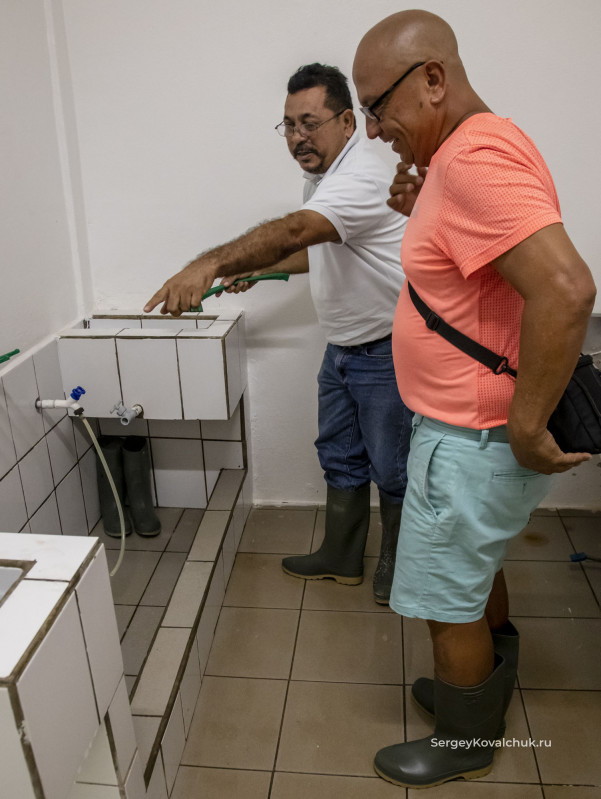
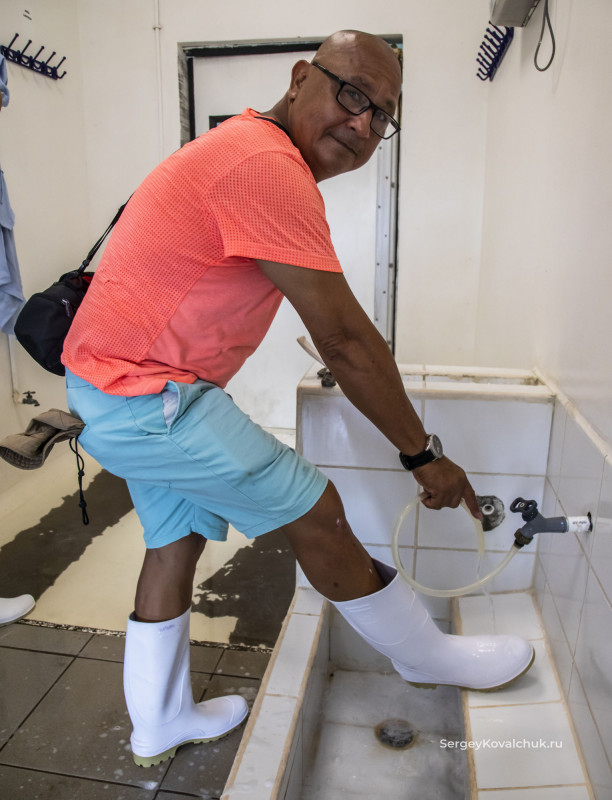
Nicaragua. South Caribbean Coast Autonomous Region. Corn Islands

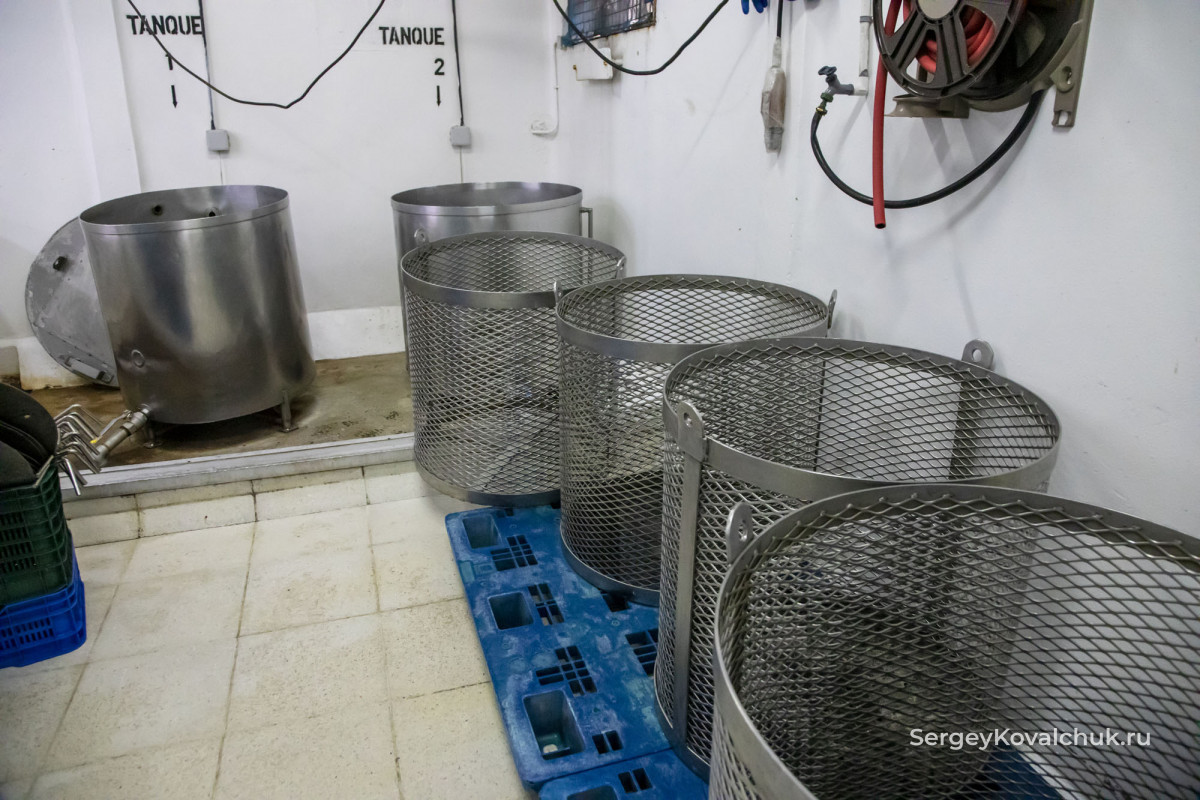
Until processing, live lobsters are kept in special pools.
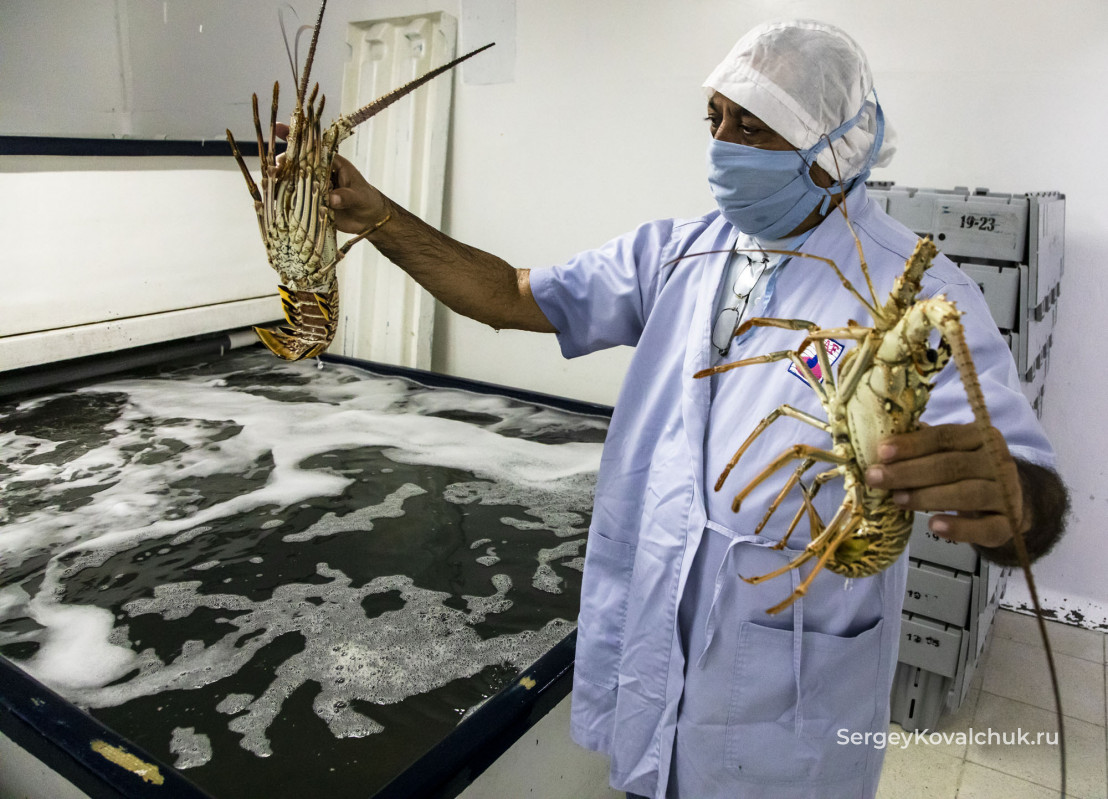
Nicaragua. South Caribbean Coast Autonomous Region. Corn Islands

Tails are also in a separate pool and washed in water.

Nicaragua. South Caribbean Coast Autonomous Region. Corn Islands

Lobsters boil...

...and frozen in individual packaging.

Nicaragua. South Caribbean Coast Autonomous Region. Corn Islands

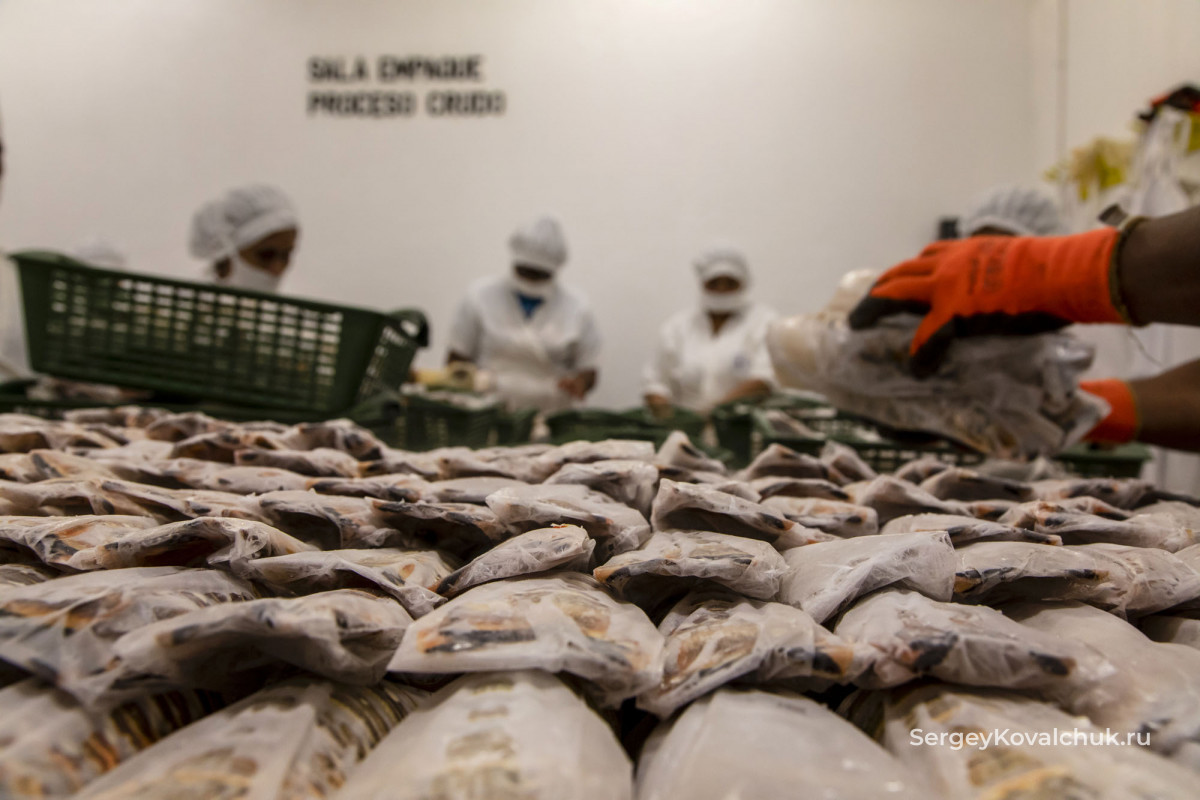
Next is the lobster packaging workshop.
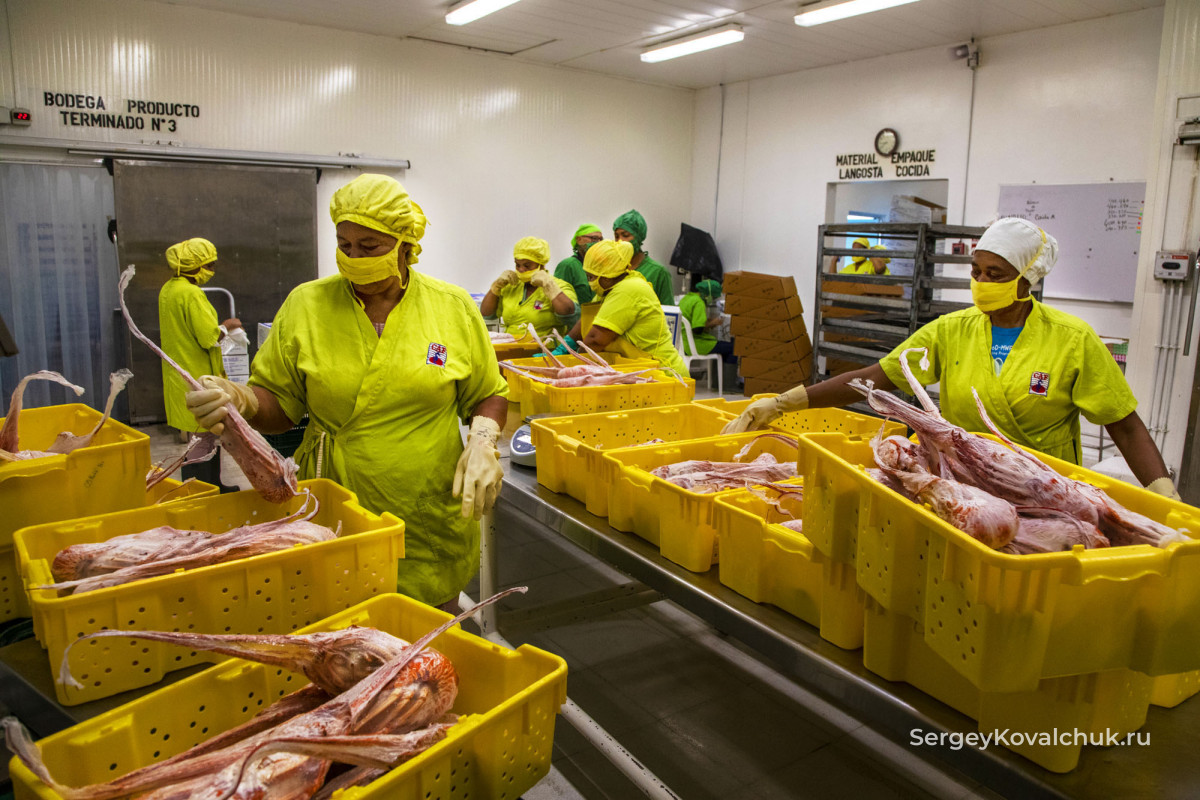
Nicaragua. South Caribbean Coast Autonomous Region. Corn Islands

In a separate workshop, tailings are packaged.

Nicaragua. South Caribbean Coast Autonomous Region. Corn Islands

The company manufactures products under two trademarks – for Europe and for Asia.

Nicaragua. South Caribbean Coast Autonomous Region. Corn Islands

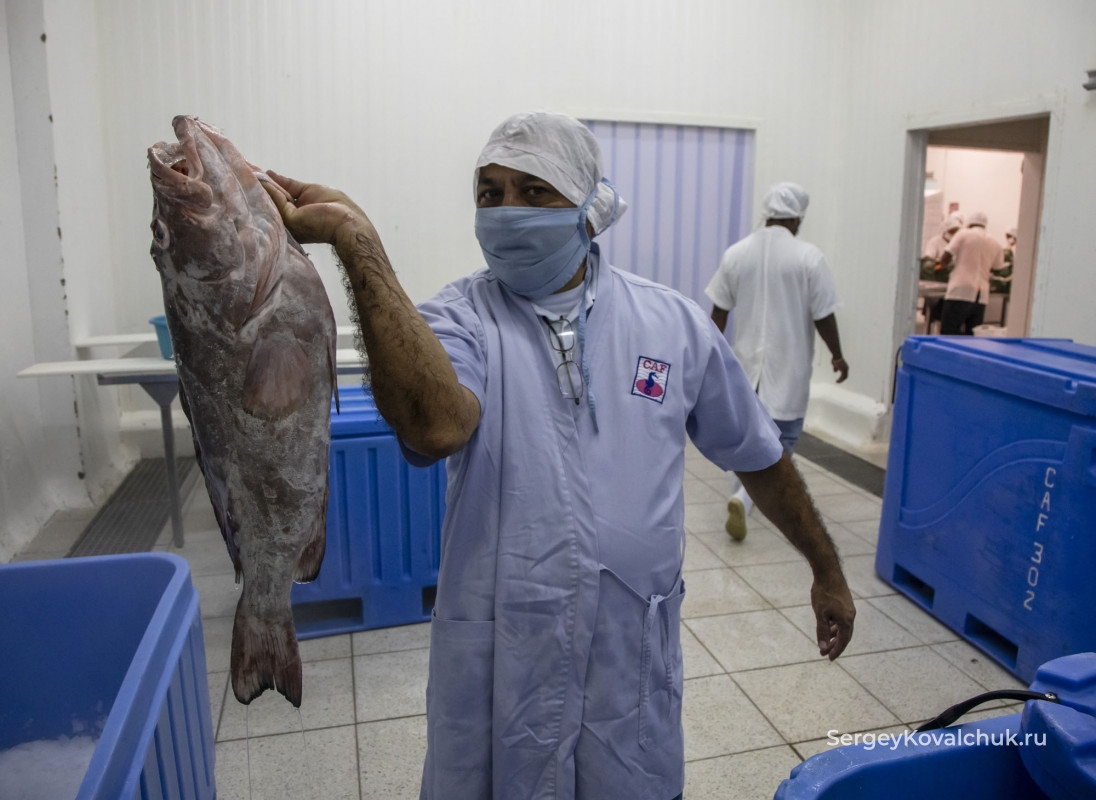
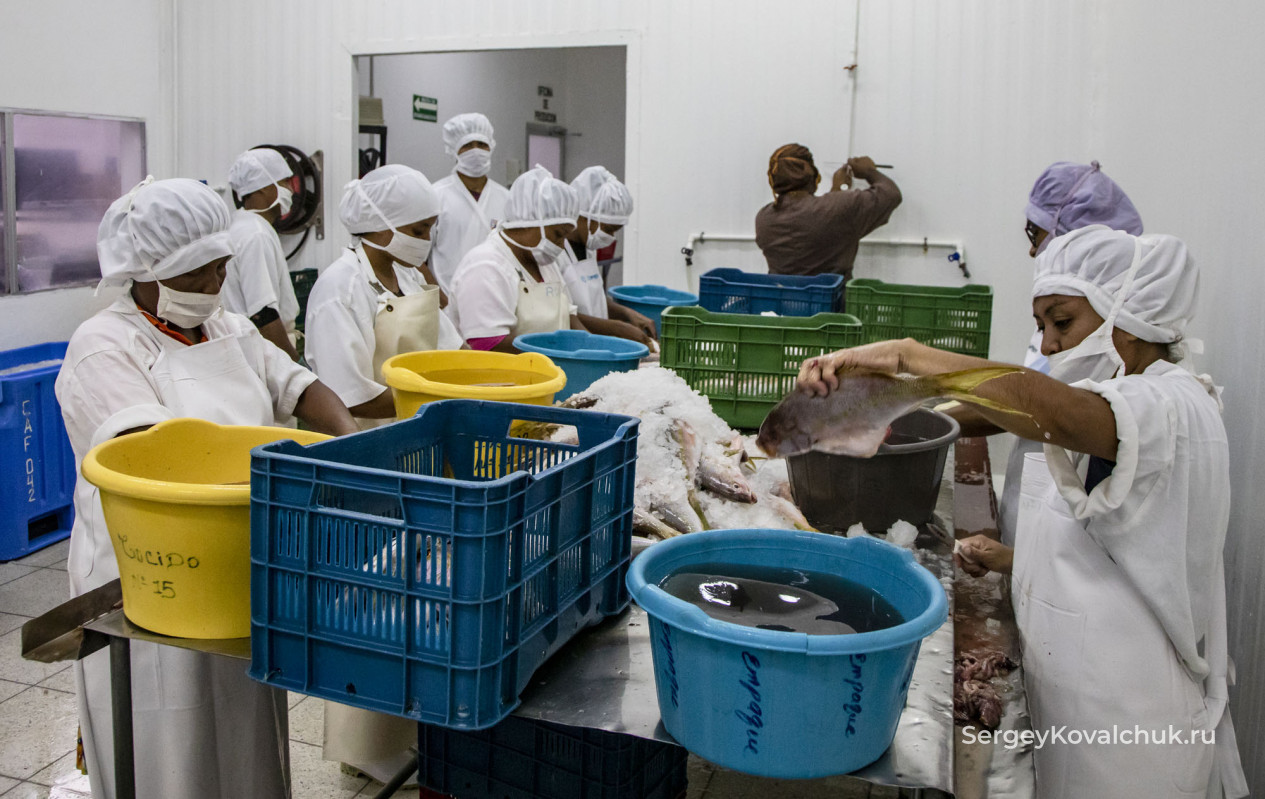
Another small fish processing workshop. But, this is not the main type of business.

Nicaragua. South Caribbean Coast Autonomous Region. Corn Islands