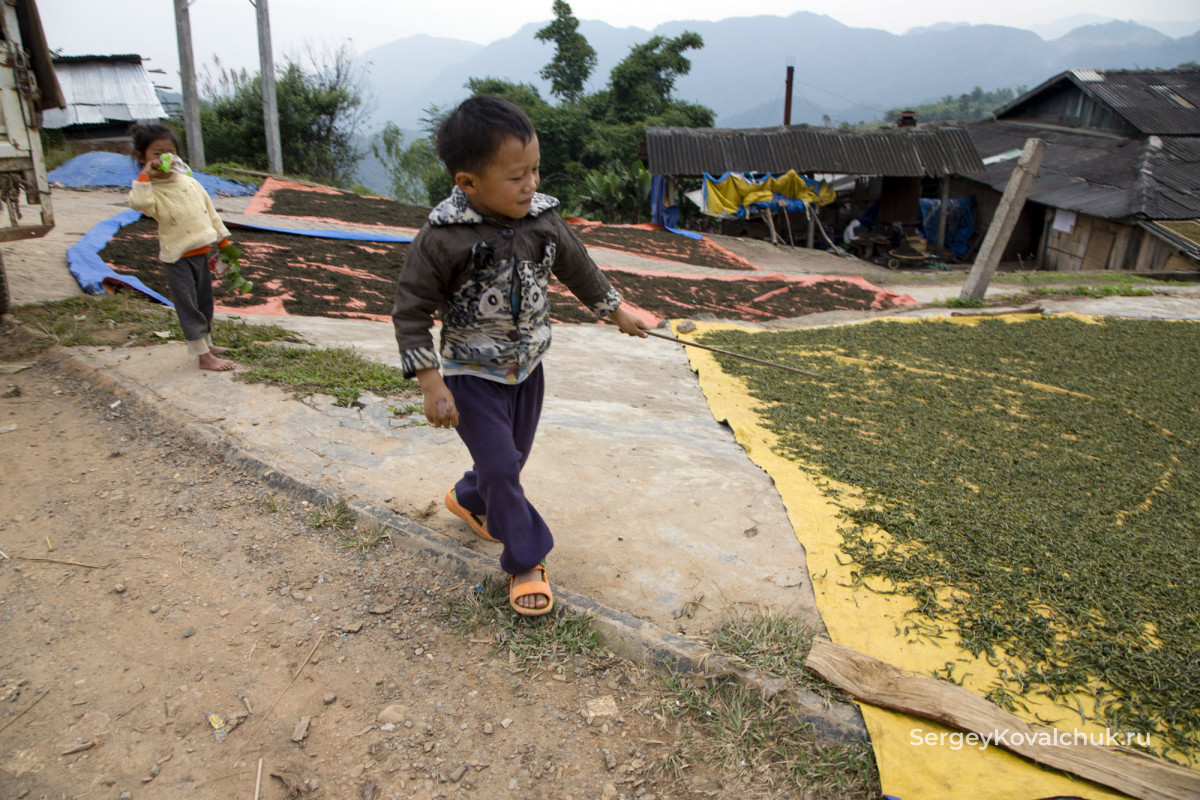
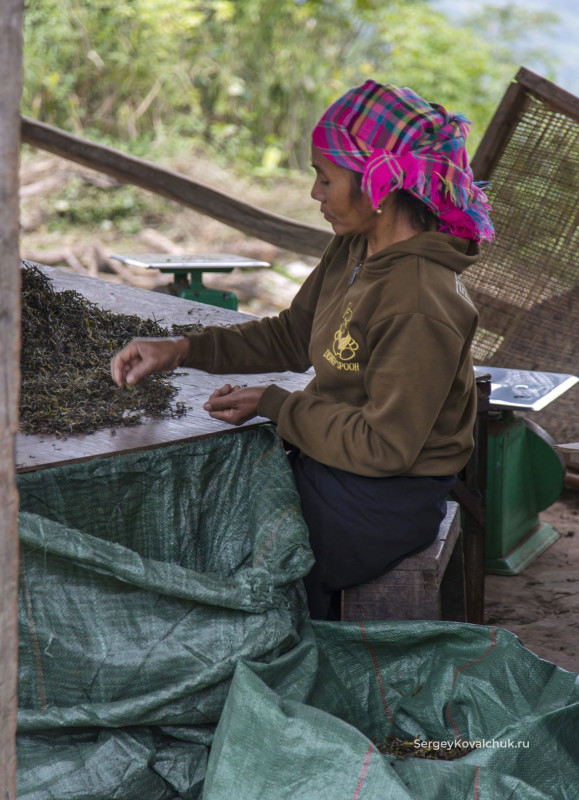
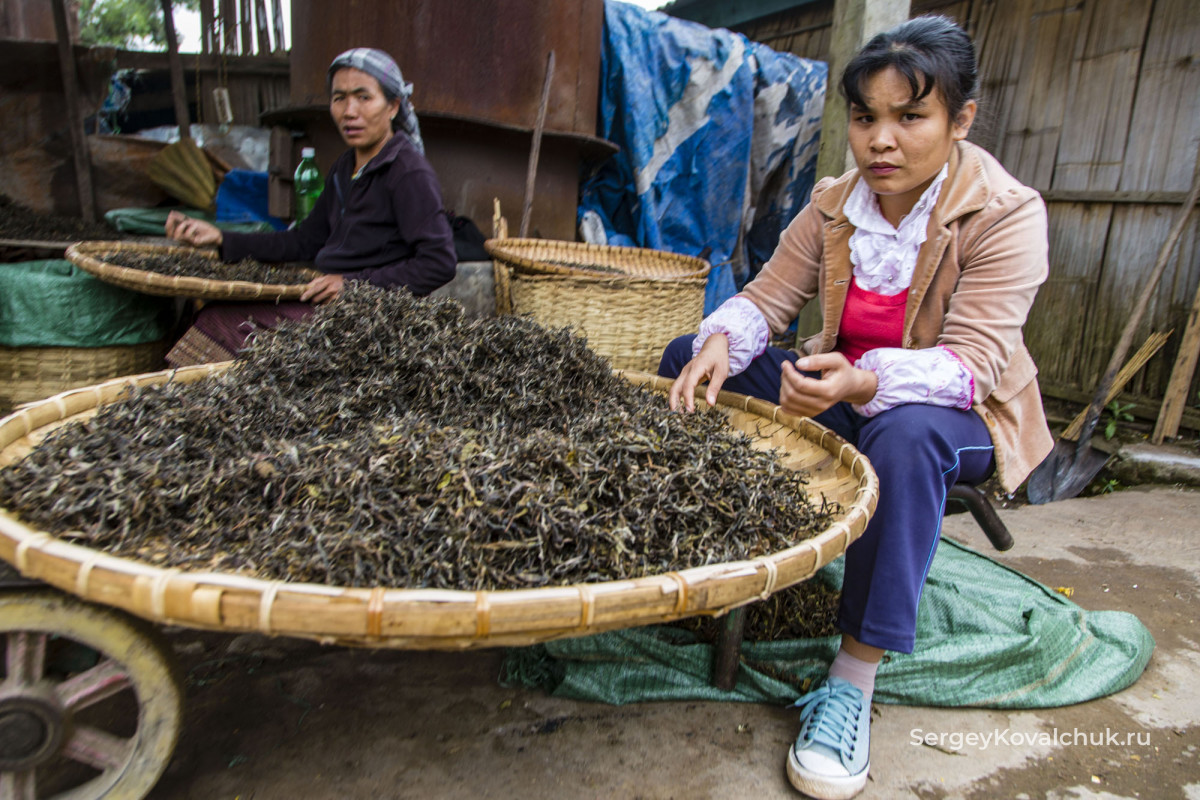
Phongsali tea plantations
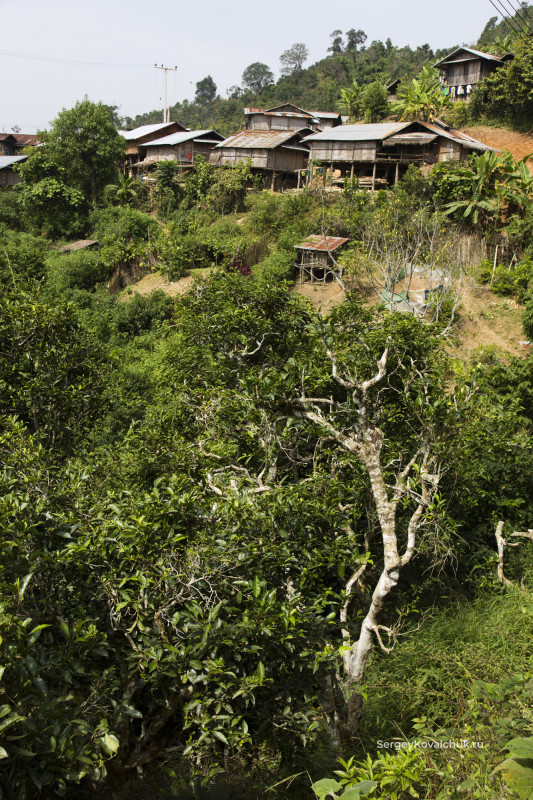
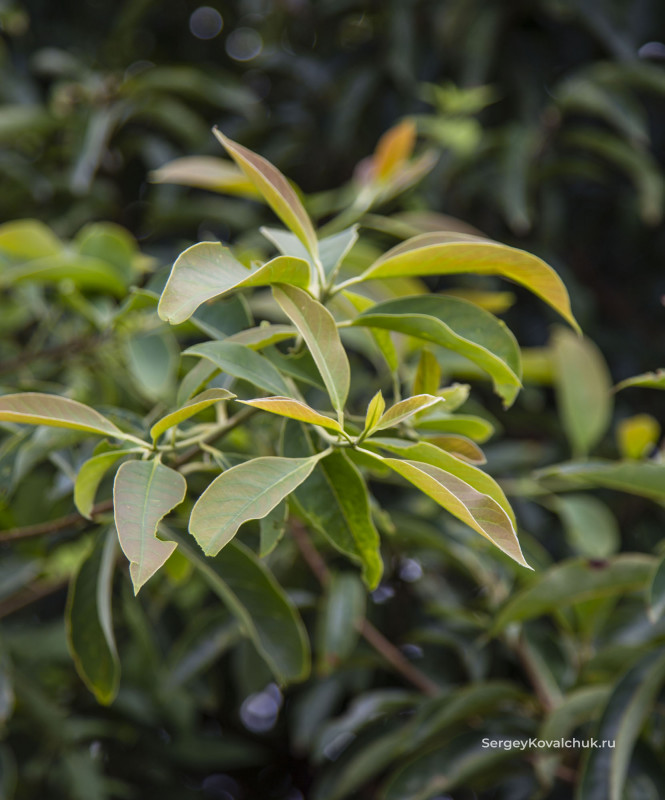
Phongsali-grown tea is made from the leaves of four-hundred-year-old tea-trees, and connoisseurs say that this gives it its special taste. Usually tea is picked from low-lying branches. There are many plantations of this kind in the region, as you can easily see from the window of a plane. The older plantations have larger trees with thick trunks, and found in forest groves. The taste of the tea from the newer plantations is significantly different, and prices vary dramatically – the taste depends almost on entirely on where it was grown.
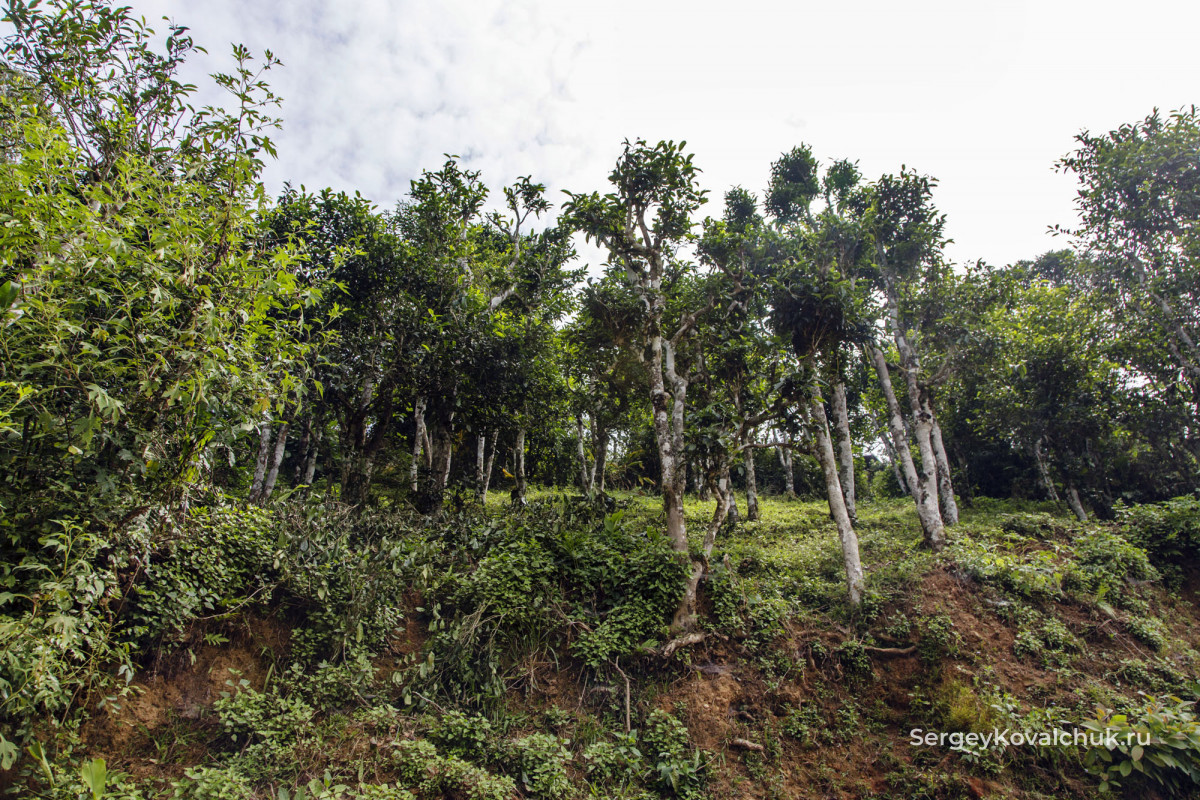
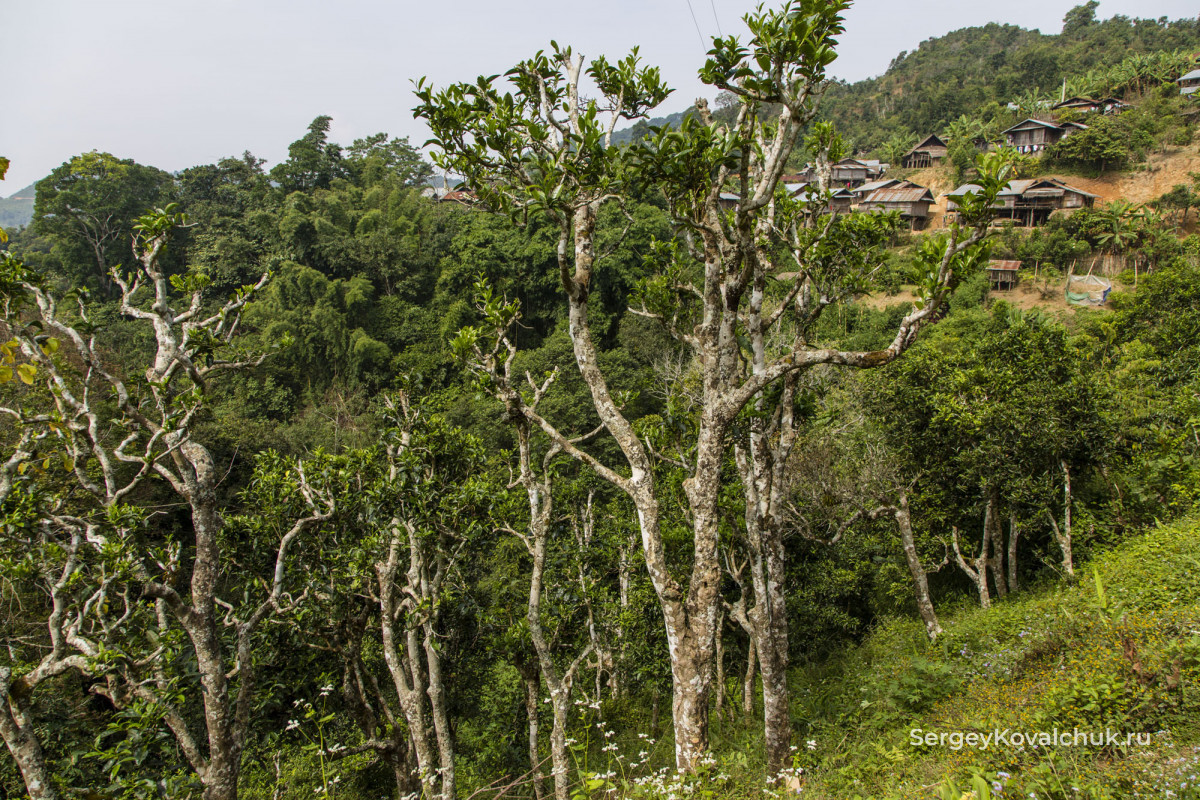
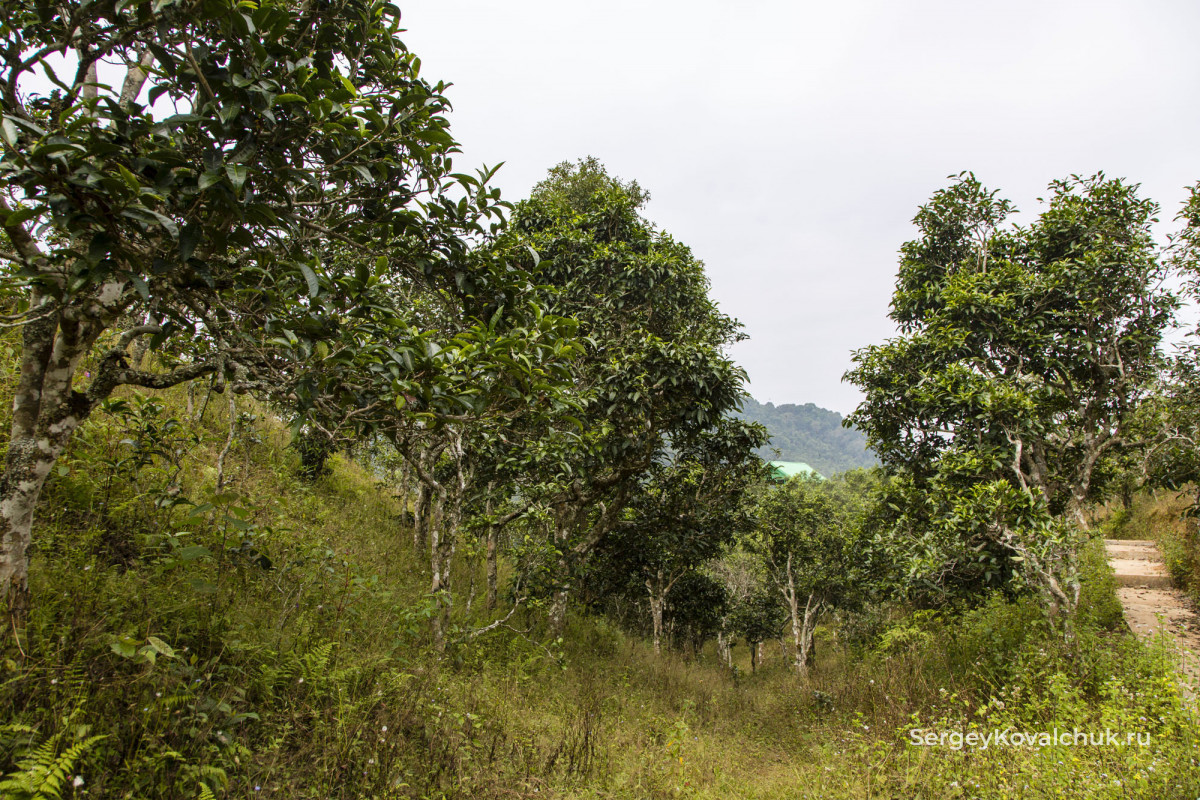
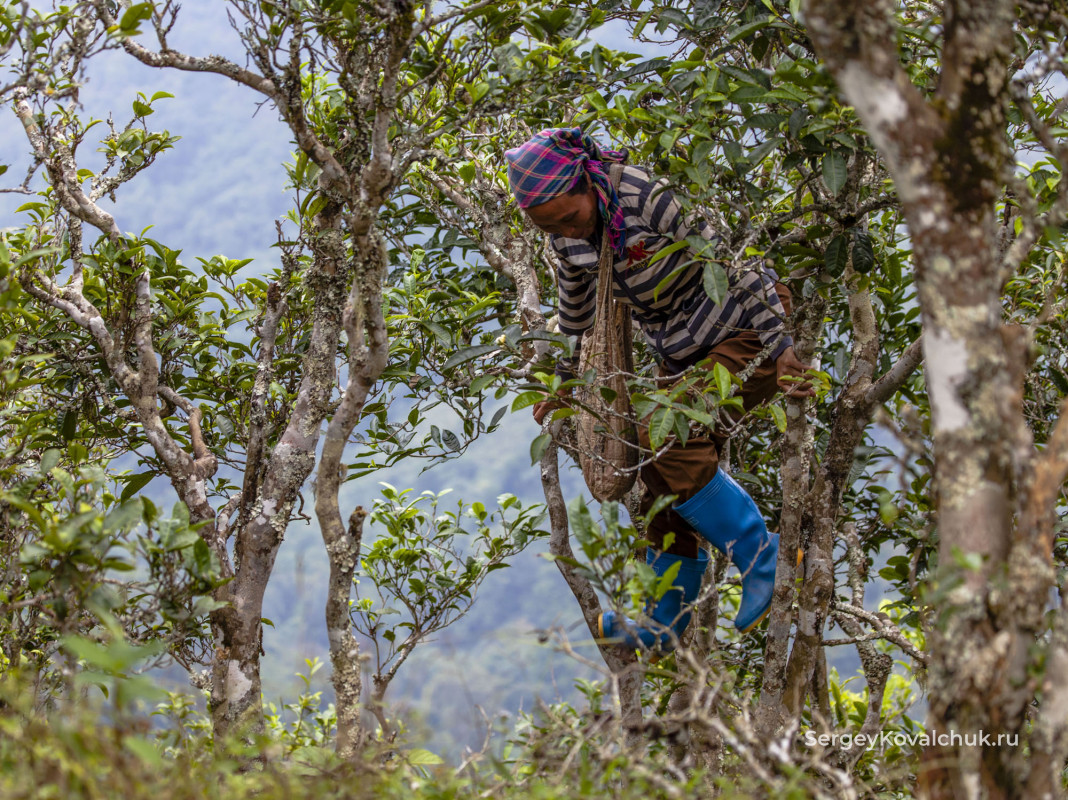
When picking the leaves for tea, the workers have to shin up the trees. It’s only the youngest leaves that make good tea.

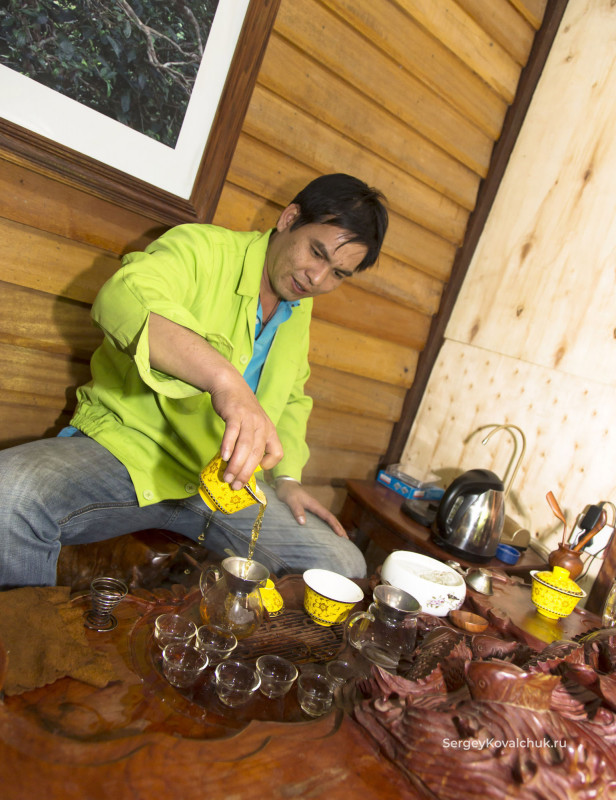
I visited a tea producing plant, on the advice of a Russian company which collaborates with them. They gave me a friendly tour around the plant, and served me some really top-class tea.
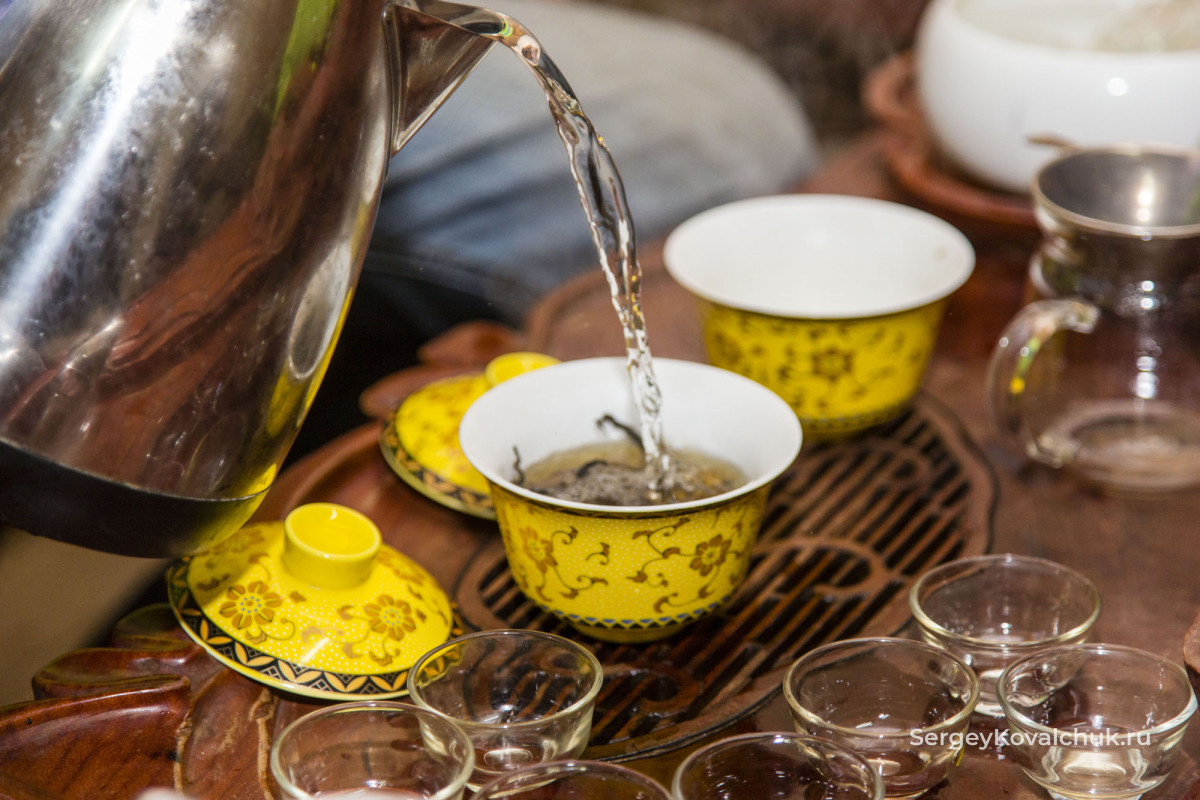


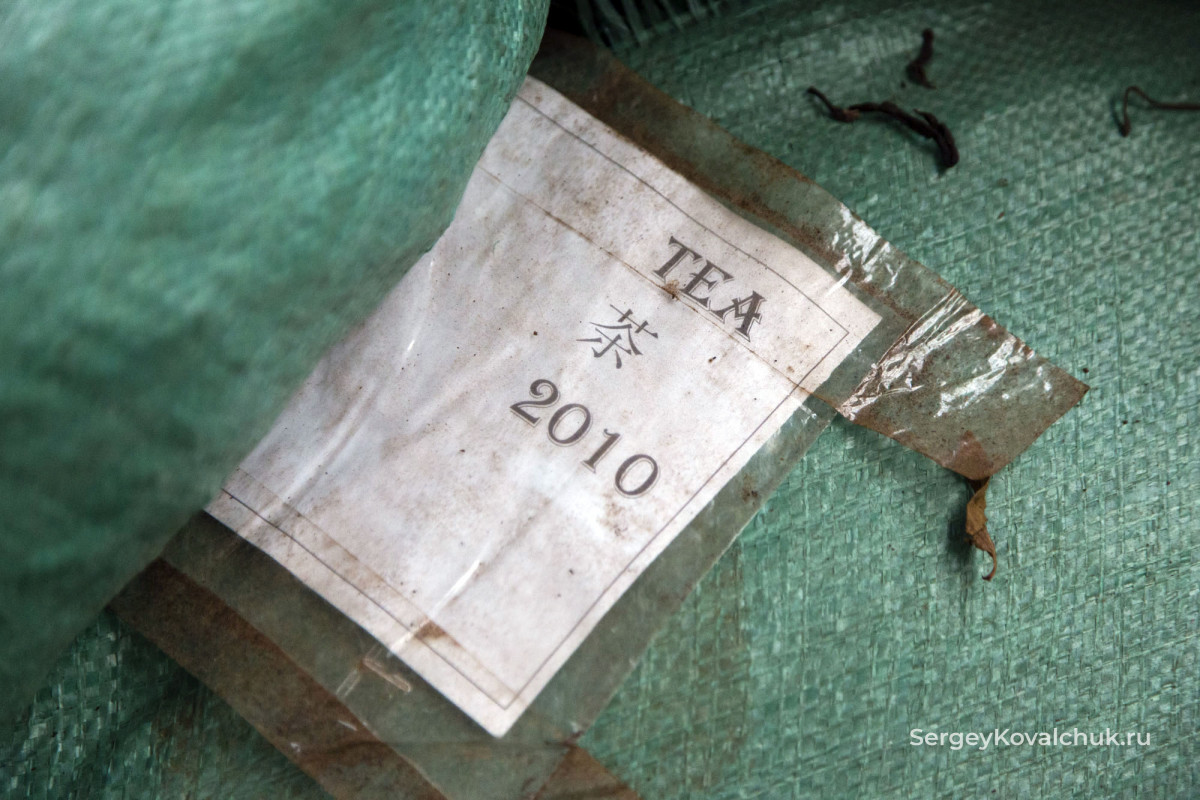
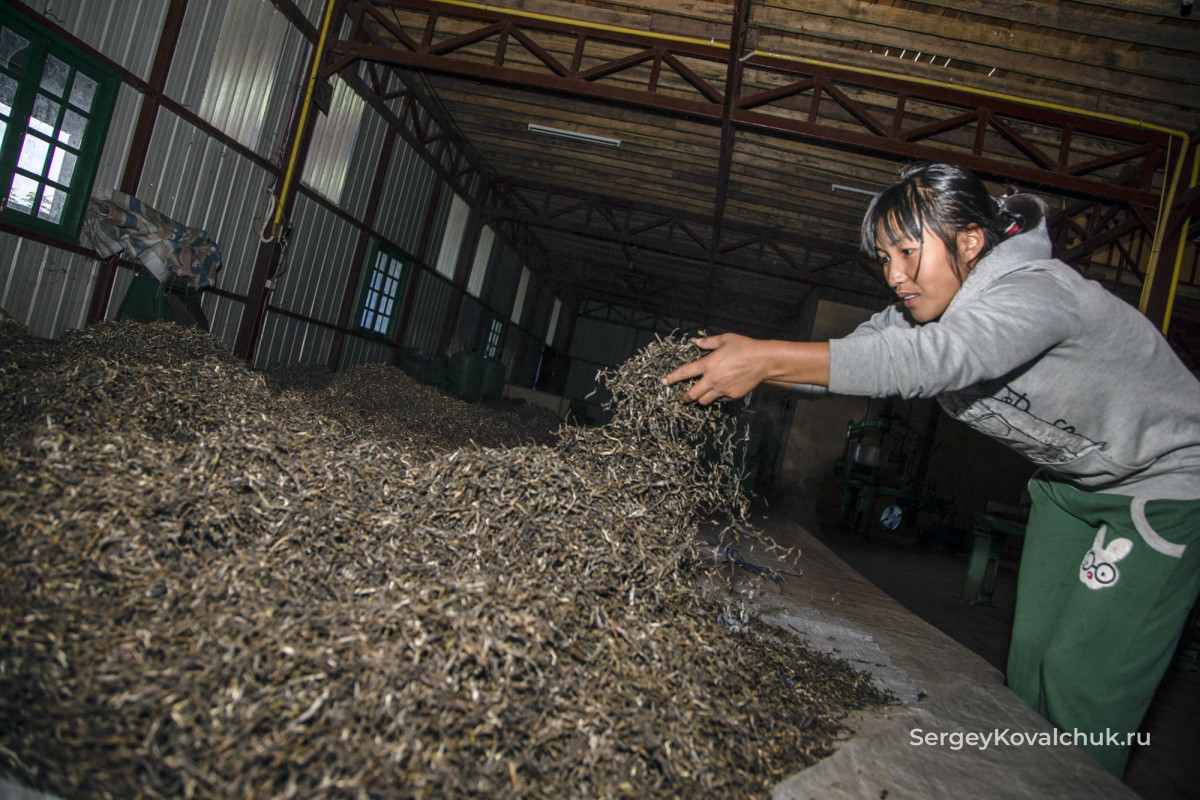
Just like wine, tea is dated by its year of picking – each year is different. There are a number of processes a green tea-leaf goes through on its way to becoming the green or black tea we are used to.
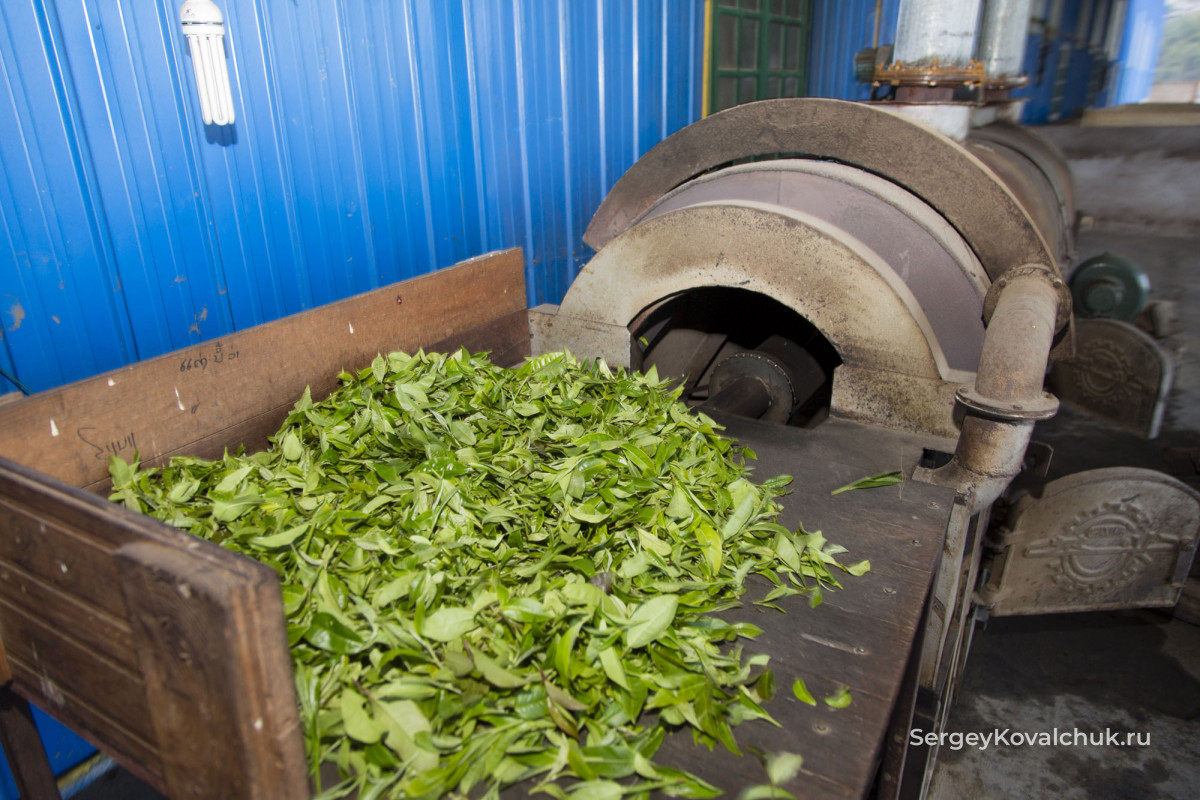

The head of the tea plant here is happy with the results of the new tea harvest.
There are numerous tea-producing set-ups, who use varying levels of mechanisation in their operations. Nevertheless, the basic methods of tea-production still rely on working by hand.