The Kajang people
South Sulawesi
The Kajang people, who live in the province of South Sulawesi, have preserved their unique lifestyle traditions to the present day, along with their own particular system of values. The main village inhabited by the Kajang is Tana Toa. Ancient traditions are jealously guarded here. There are a number of neighbouring villages, also inhabited by the Kajang – although the approach to ancient tradition there is not so rigid. The overall area of Tana-Toa is 729 hectares, where they are involved in agriculture.
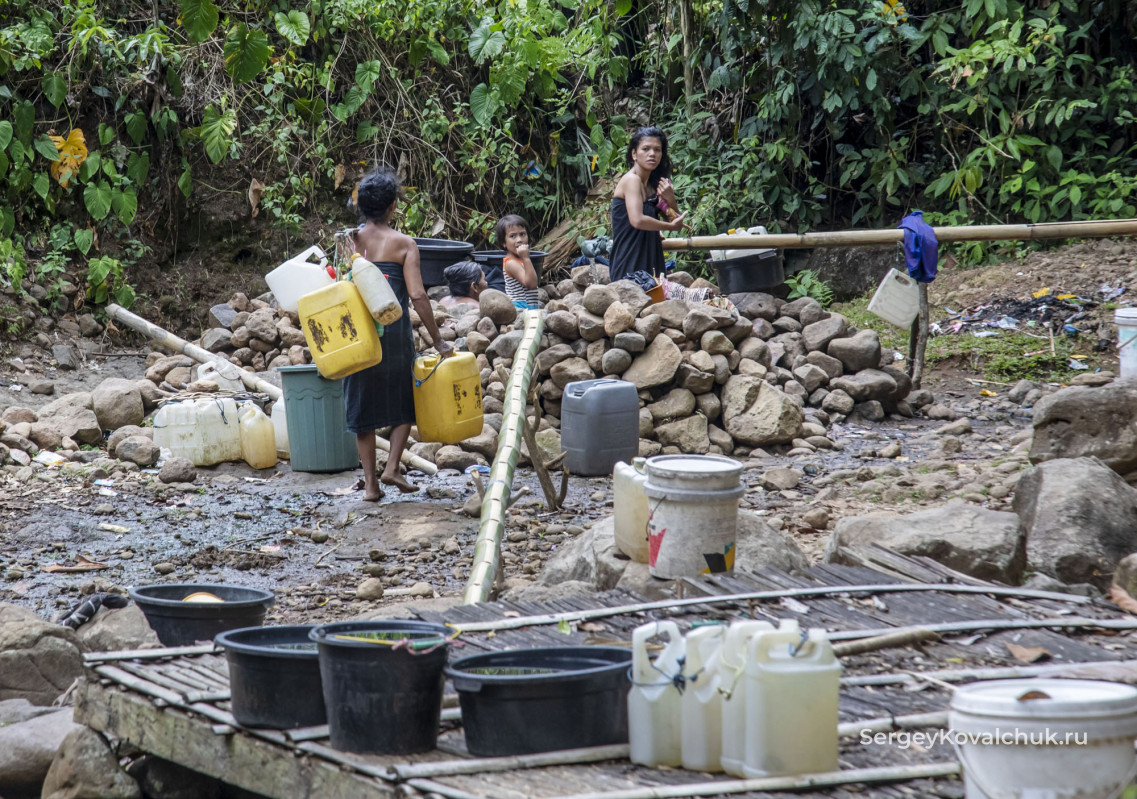
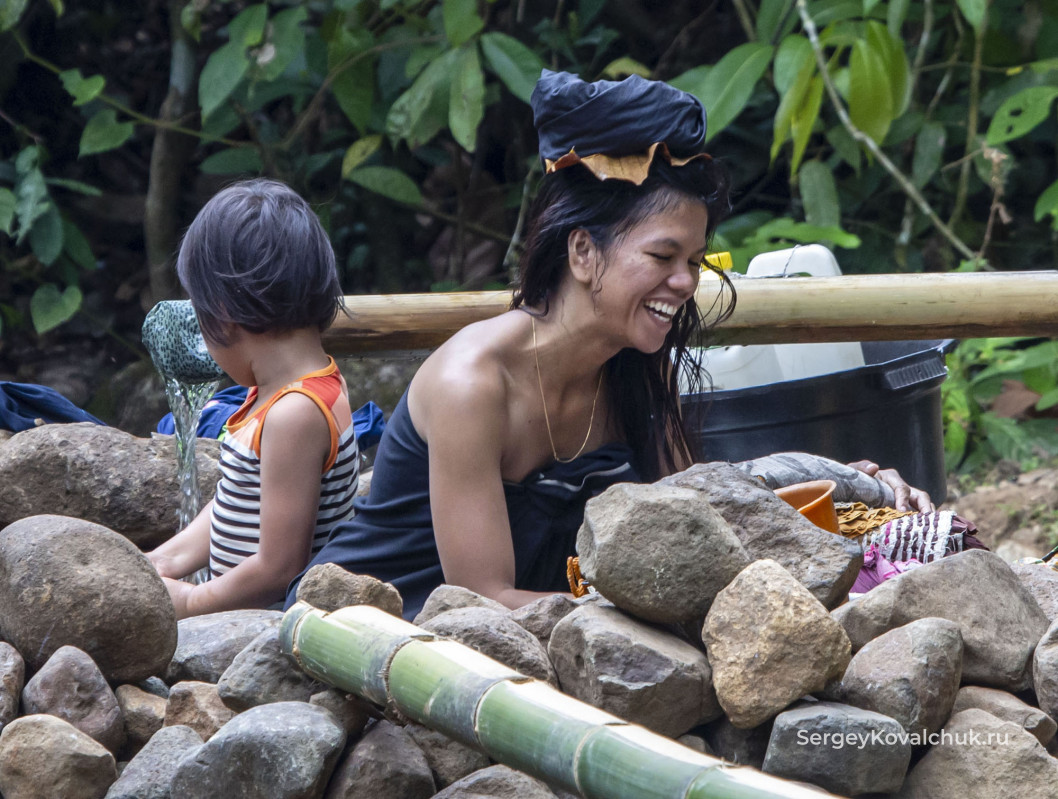
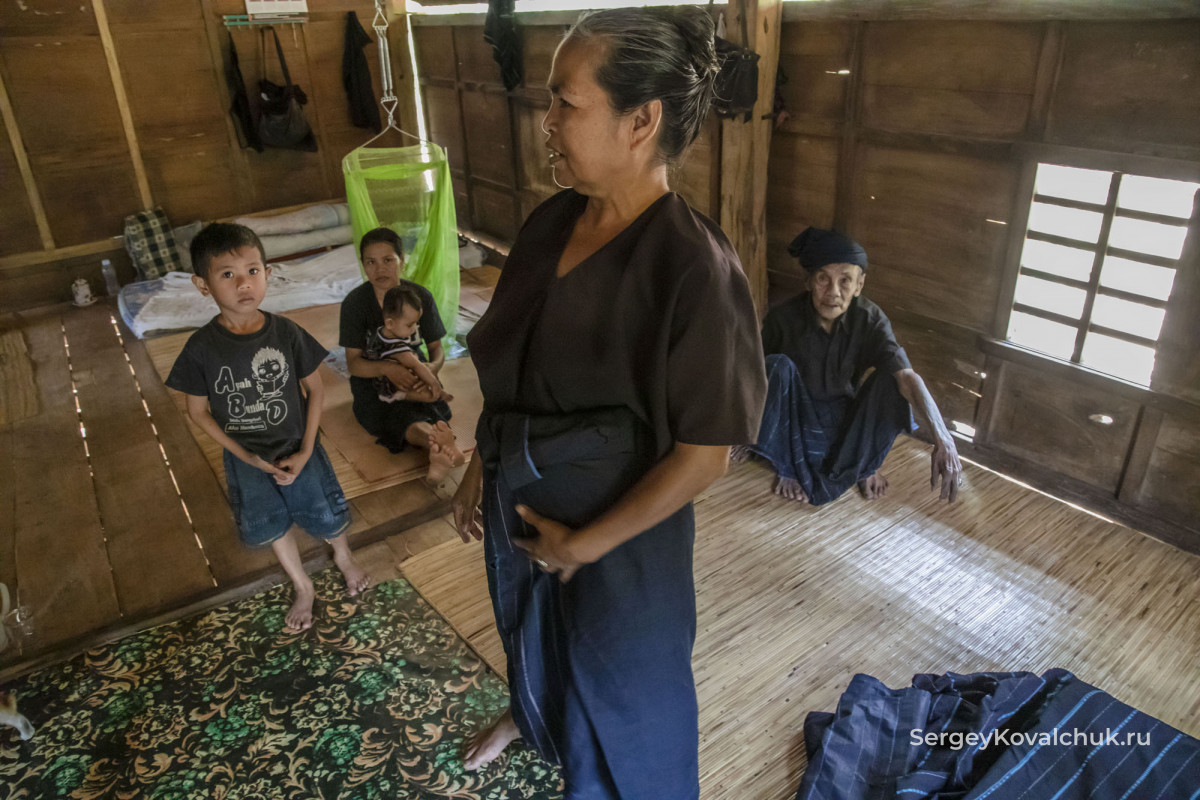
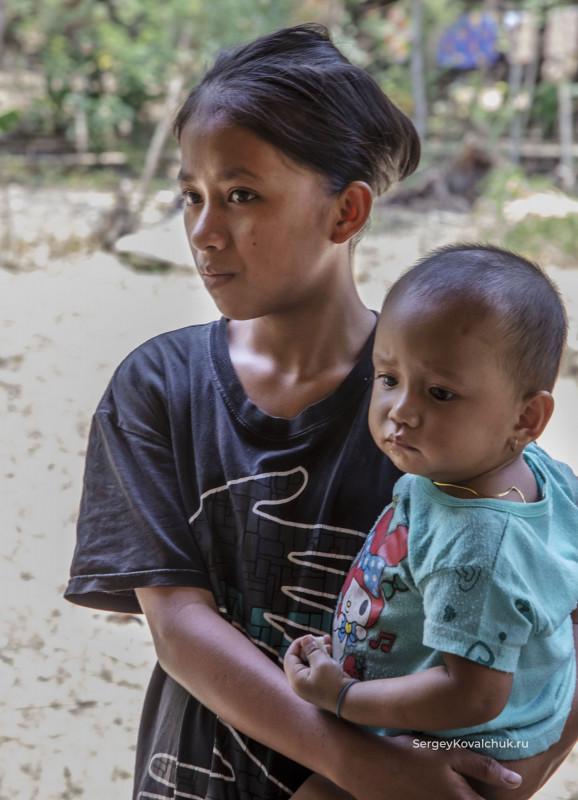
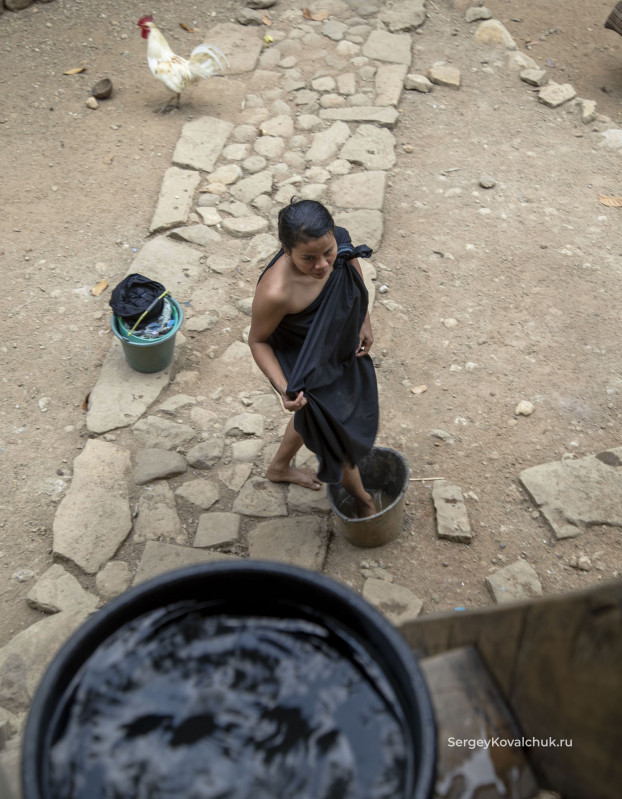
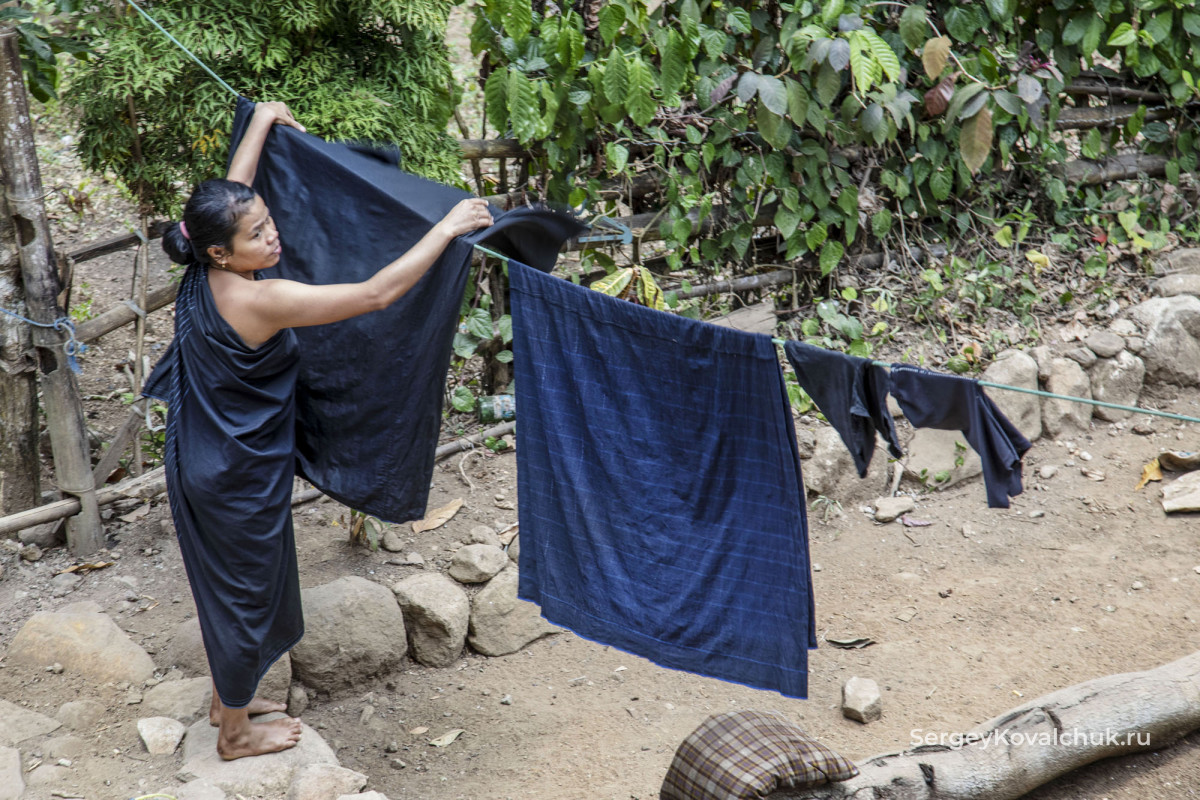
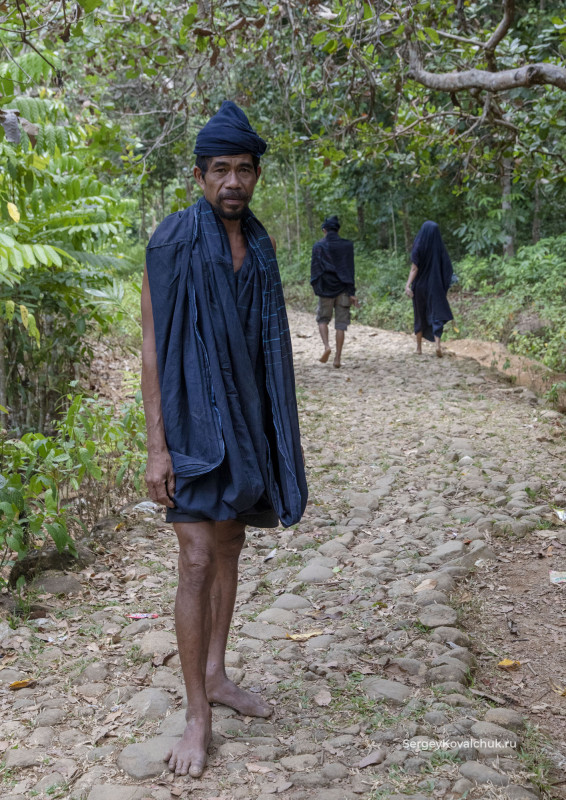
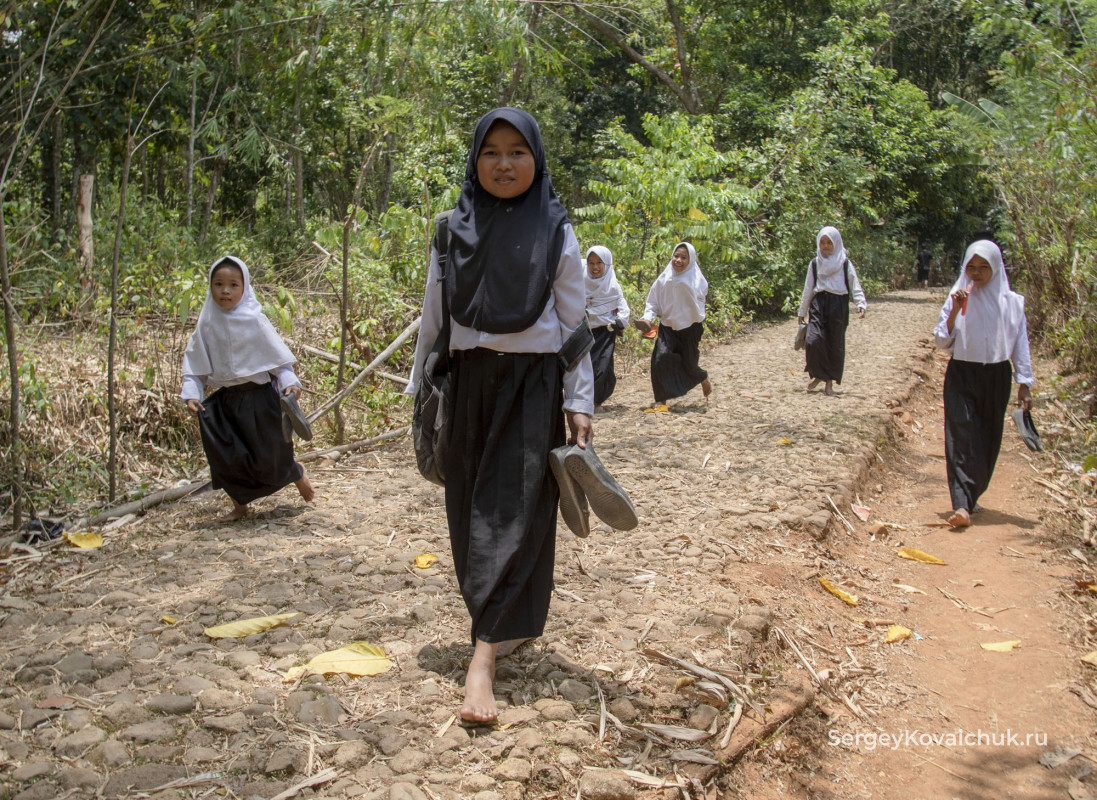
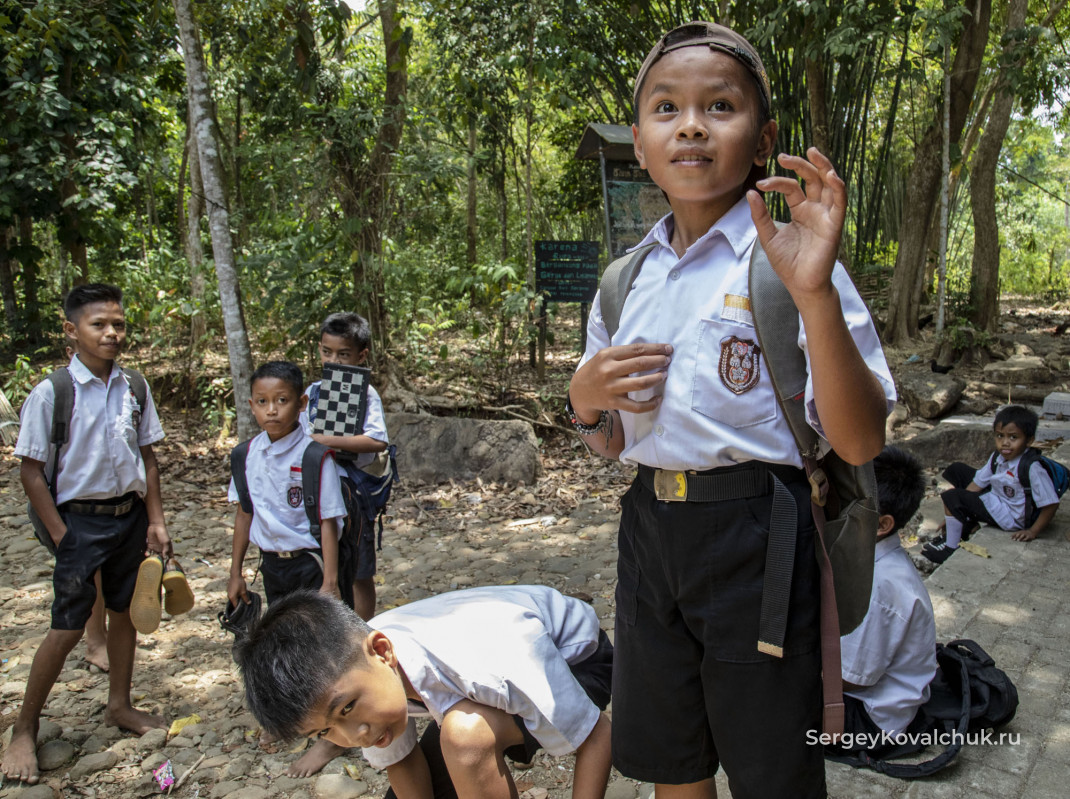
It's often said that the Kajang dress only in black, although other colours are also seen. Even so, it's true that black or dark-coloured clothes are worn by the vast majority of people in Tana-Toa. Children dress in usual modern clothes, while school uniform consists of a white upper section – but adults generally avoid bright colours. Guests prefer to dress in black.


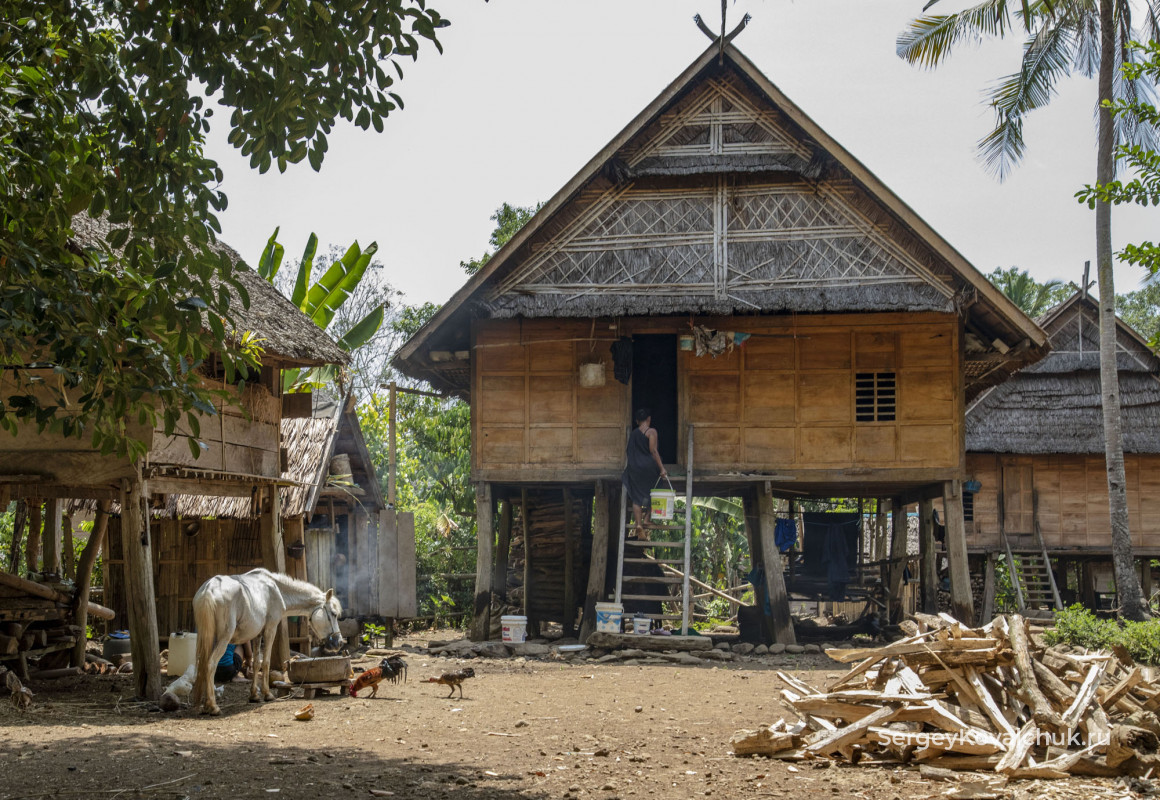
Although the majority of Kajang people today are Muslims, they still retain aspects of their ancient animist faith – based on the close ties between people and nature. The people of Tana-Toa rarely mix with other people from different ethnic groups. I was told that if someone from Tana-Toa marries outside their community, then they have to leave the village. Ancient custom demands that village houses be built on wooden piles – because local belief holds that only dead people live in houses which are built directly on the ground. This is another reason why, despite their Muslim faith, there is no mosque built in the village.

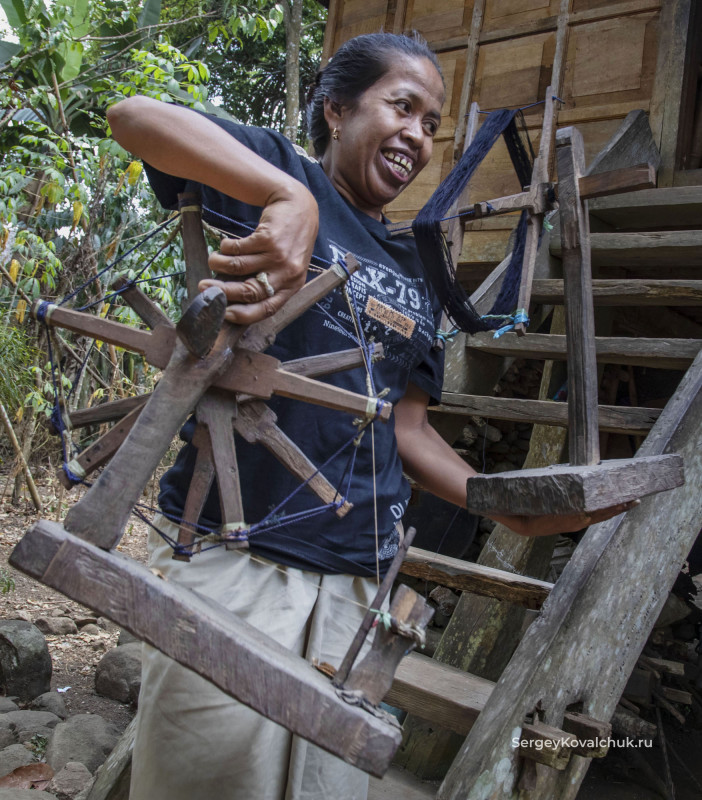
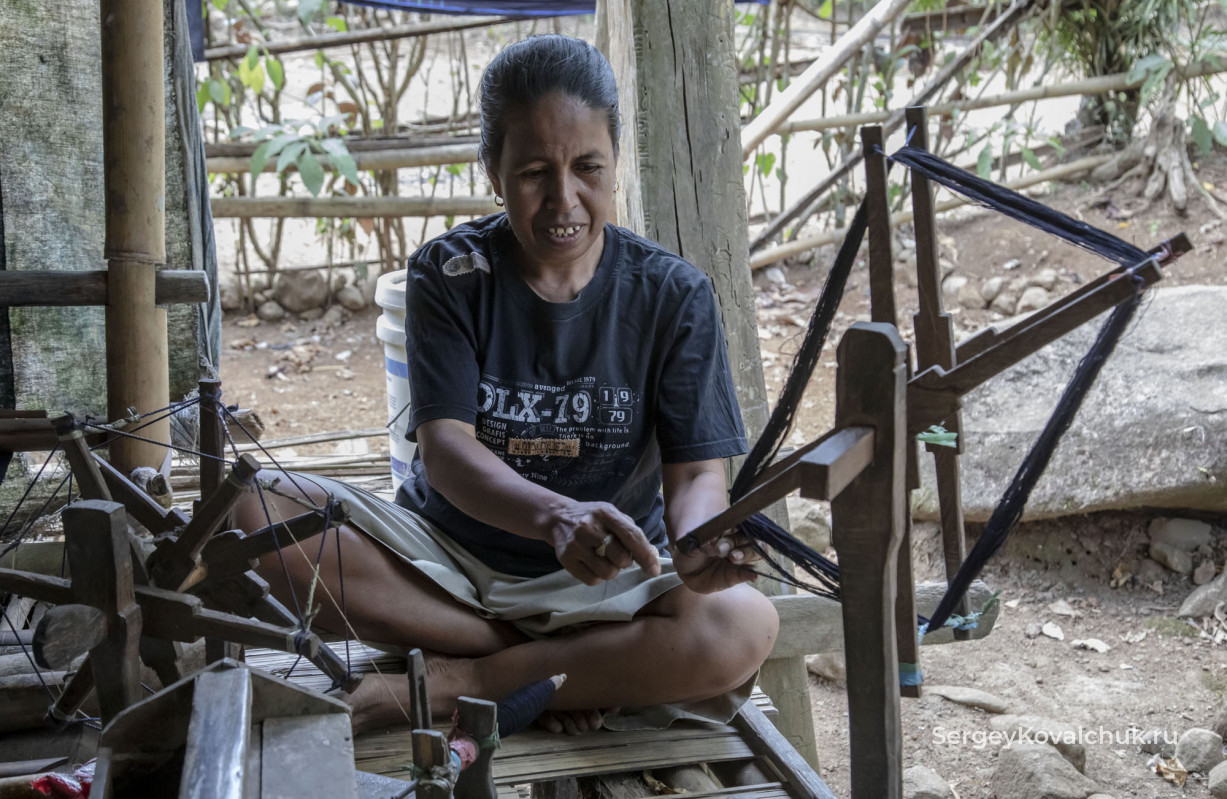
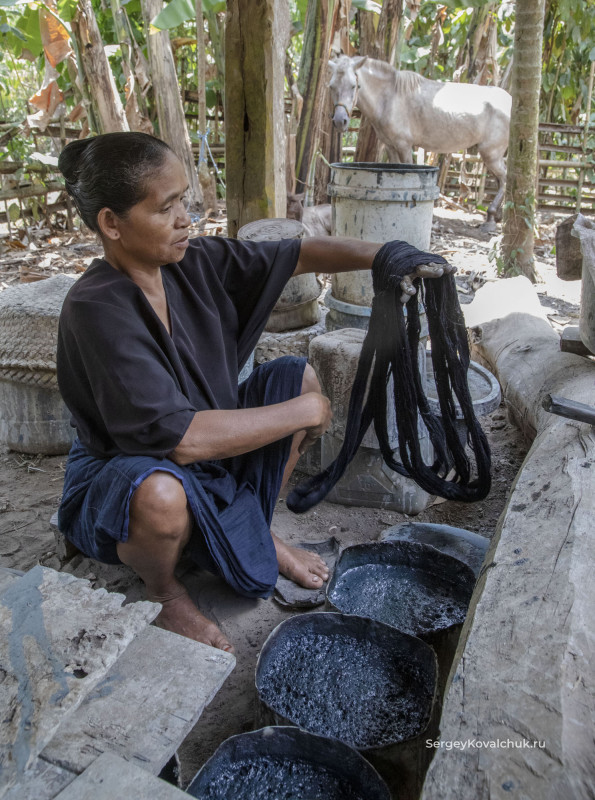
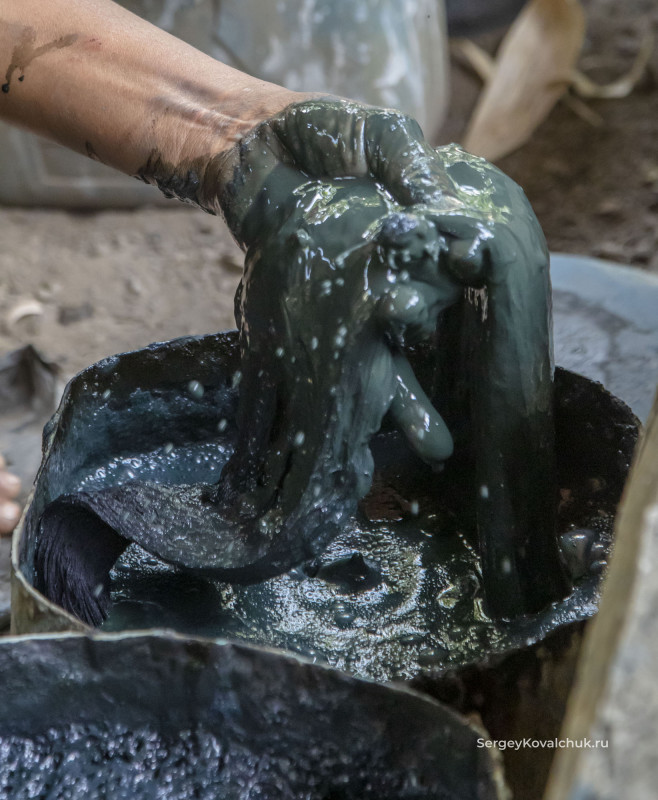
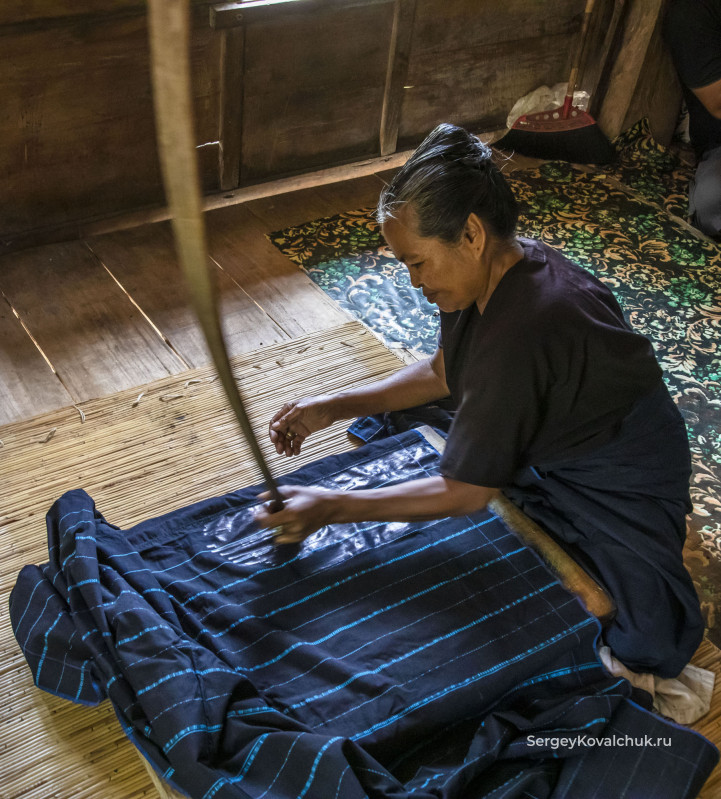
Traditional clothes are made by hand. The thread is coloured using natural dyes – primarily indigo. The thread is woven on a hand-loom, after which the fabric is polished using shells, sot that it has a gleaming burnished shine.




There is ban on wearing shoes in the village – a ban which applies to guests too. Schoolchildren study beyond the village boundary, and at the entrance to the village grounds they take their shoes off – and carry them by hand to their house.

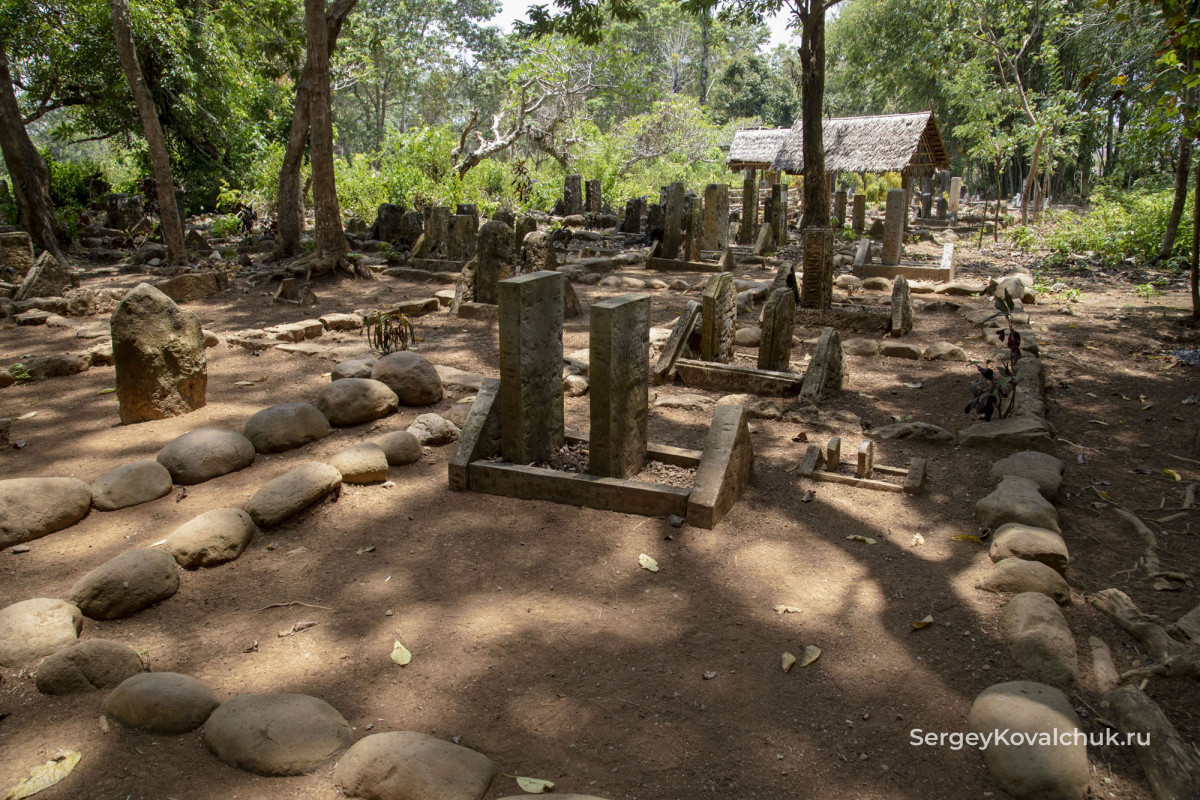
The village cemetery preserves the remains of many generations of Kajang. Children;s burials are very low-key, and here awnings have been erected over the graves of important people.