The Asmat People. Life in the mangrove forest
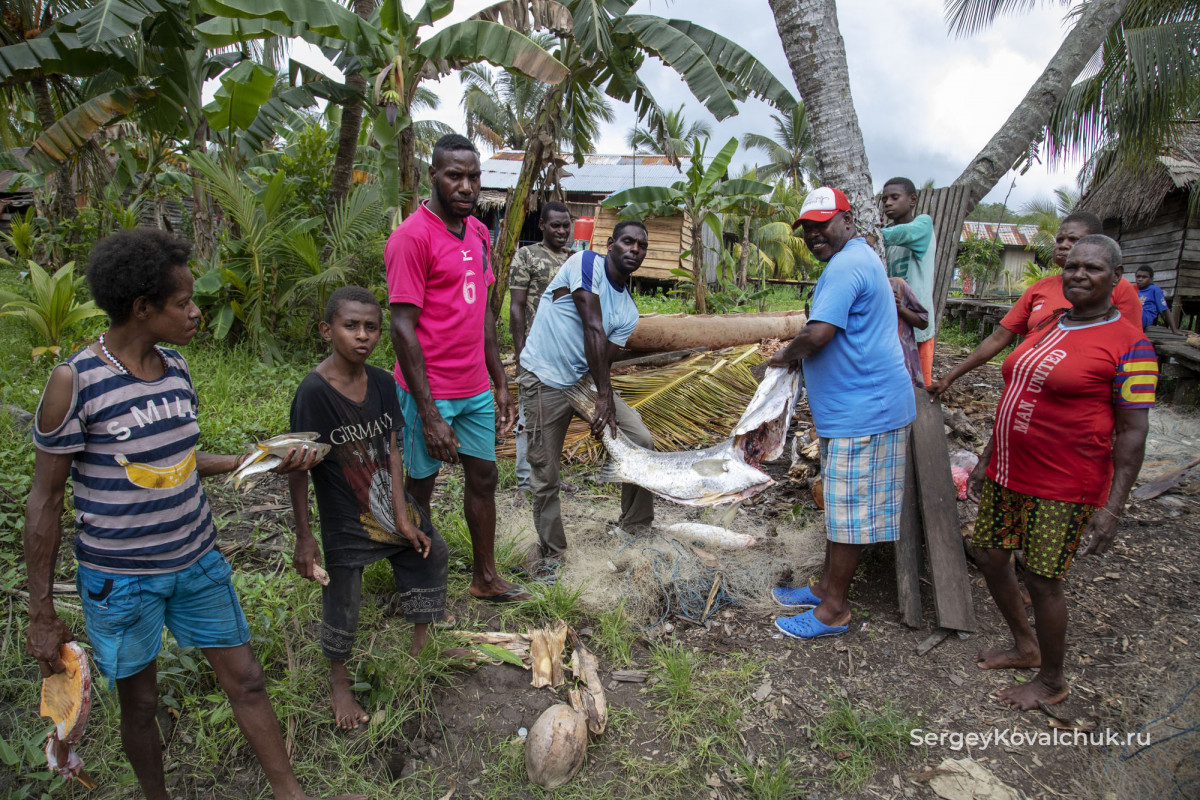
The Asmati are a people from New Guinea, where they live near the water, in a zone of mangroves and swamps. This means that all the buildings here are built up on stilts. Between the buildings there are walkways – also built on stilts. The administrative centre of Asmat District is Agats – where all the streets have been built from reinforced concrete, at the government's expense. In the local villages, the government also meets the cost of wooden road crossings, which are specially built by local men. Life in these villages is a synthesis of the traditional with the modern – Boats have petrol motors, houses have solar panels, and so on – while every village also has a 'long house', where men who have no families can spend the night. The children study the same things as in bygone generations – fishing, hunting, and extracting sago from trees as a source of food.
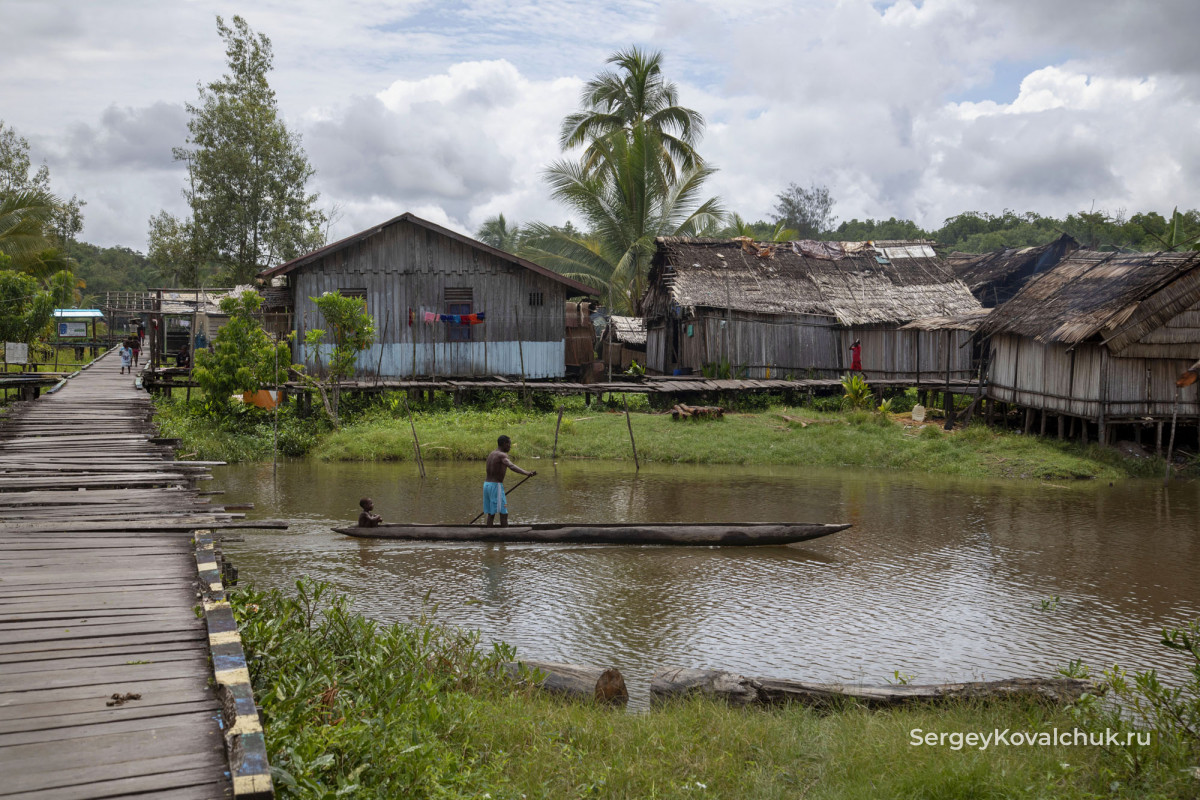

All the buildings here are built up on stilts.


This is a large site near the village school – like the other buildings, it's raised up on stilts. Children are playing football.
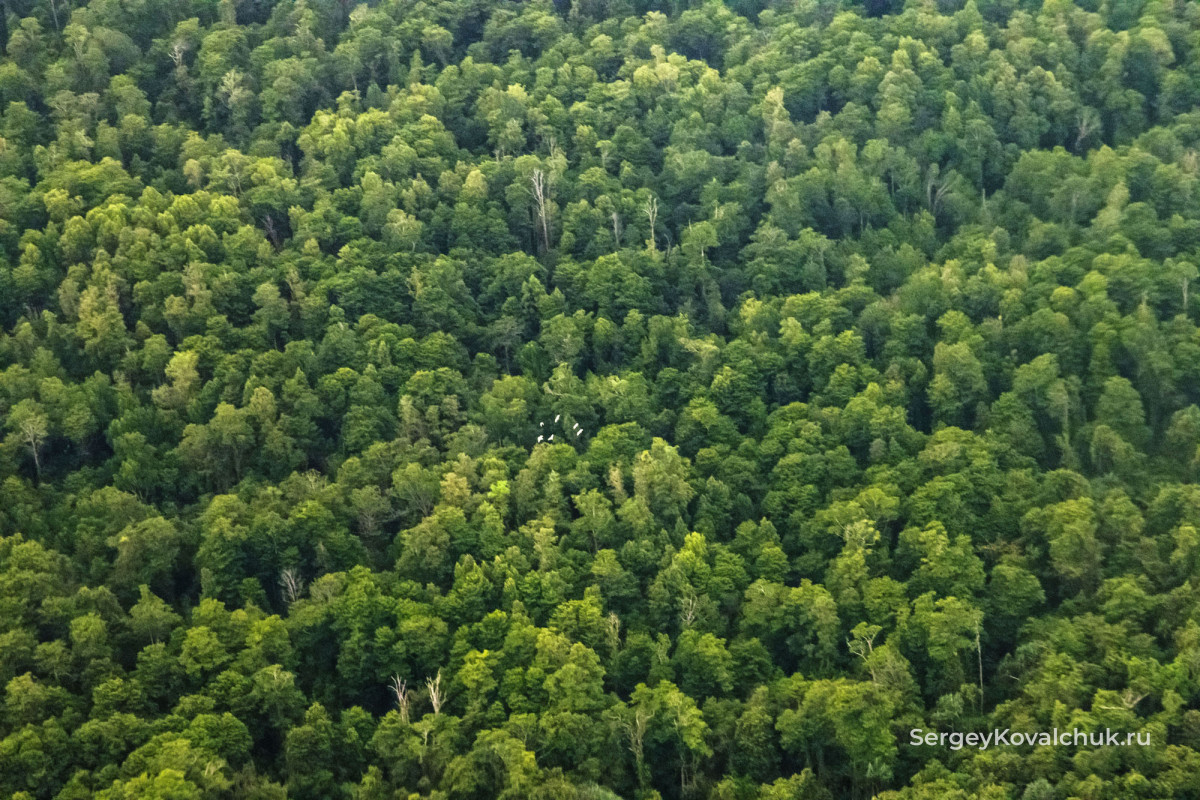
We should add a few words about the mangroves, to get a better idea of where and how the Asmat live. Mangroves are evergreen deciduous trees, which grow in the tidal strip along the sea coasts and estuaries. For up to forty percent of the year these can be flooded with water. Indonesia has over 20% of the world's mangroves – nearly 3 millioan hectares, half of which are situated here on Papua. Mangroves have great ecological significance – they absorb several times more hydrocarbons from the atmosphere than other trees, making them a valuable feature for human habitation. These are places with excellent fishing, good supplies of edible plants, and sources of wood.

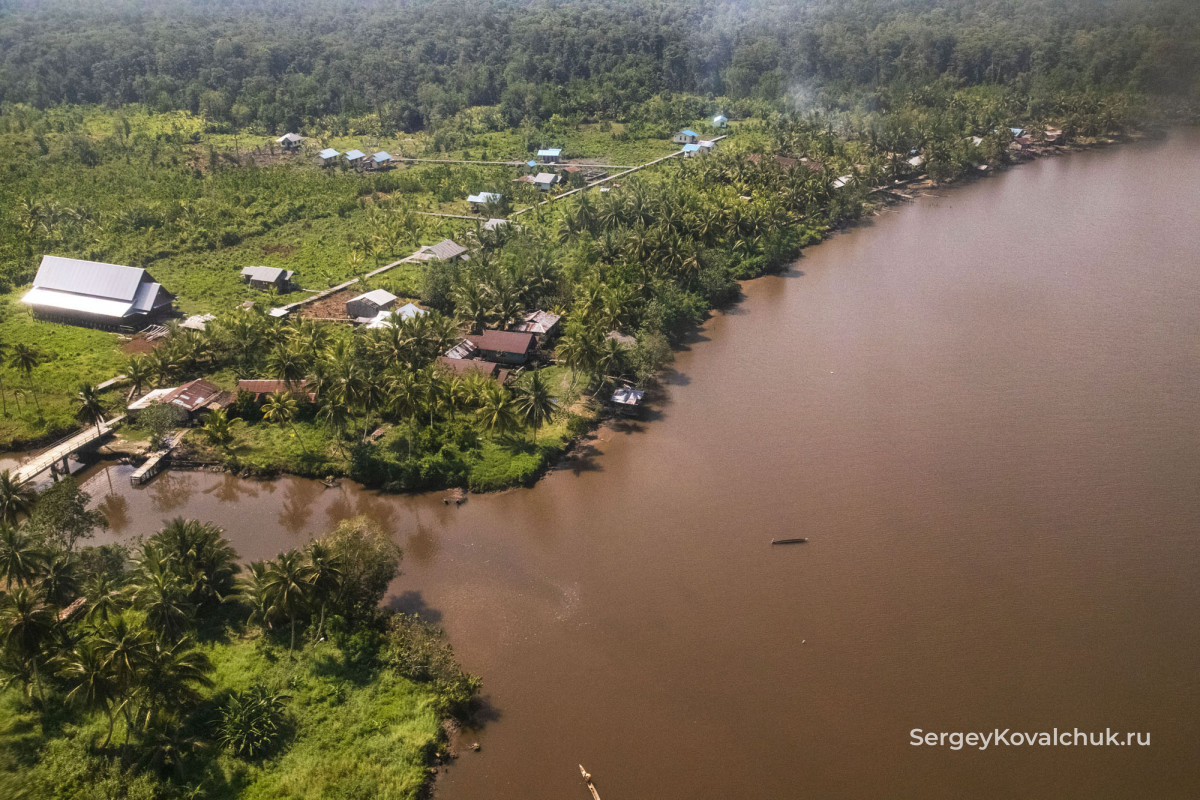

The extended shape of the traditional 'long house' is to be found in every Asmat village. While in some other regions of Indonesia, long houses provide accommodation for extended families, here with the Asmat they are for single men only. Married men, women, old people and children live in ordinary houses – not in long houses. Each long house can have ten or twelve different sections, each with its own hearth – and the men gather around these hearths. At night they may huddle up to the hearth for warmth – or sleep just on the floor. The men spend most of their time outside the village, hunting and fishing – so during the day, there is almost nobody at the long house at all. Each long house has a special place for rituals – for storing the bows and arrows, and also the gear, nets, floats and baskets used in fishing. There is no sign of any cooking equipment – probably because there are women feeding the men!


The village of Agats is really the only relatively large settlement within the large Agats District. If it were not for the fact that all the buildings are on stilts, it would resemble a perfectly normal little town of about two thousand people. There are shops, a market, a number of schools, and religious buildings belonging to different creeds.


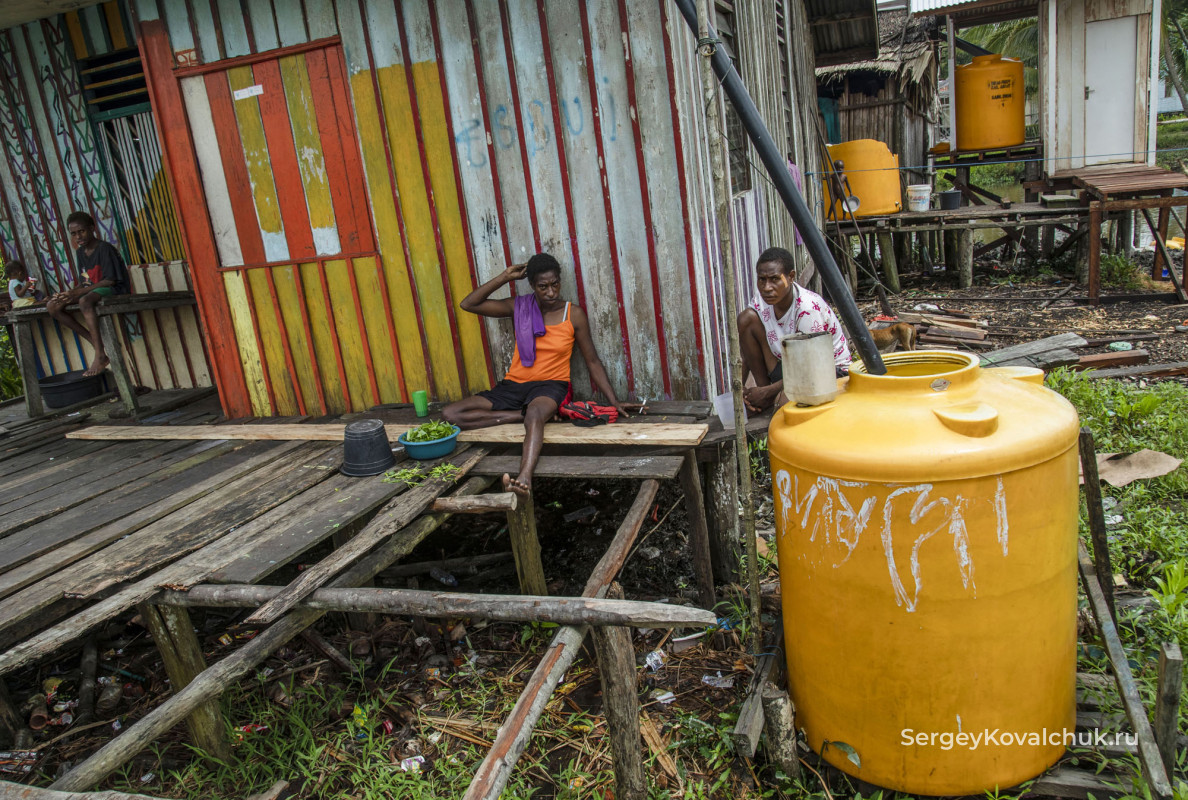




Most people here are Catholics – but there are Muslims too, and you can see both churches and mosques along the streets. The road-surface is based of reinforced concrete, and people mostly use motorbikes or scooters – electric ones, because the price of gasoline is prohibitive here. People come into Agats for their shopping from outlying villages roundabout, as well as bringing their own produce or goods to sell here at the market. Agats has a small airport, which is located 15 minutes drive from the town.


The church and the school are the two indispensable elements of the education process among the Papuans of Agats.
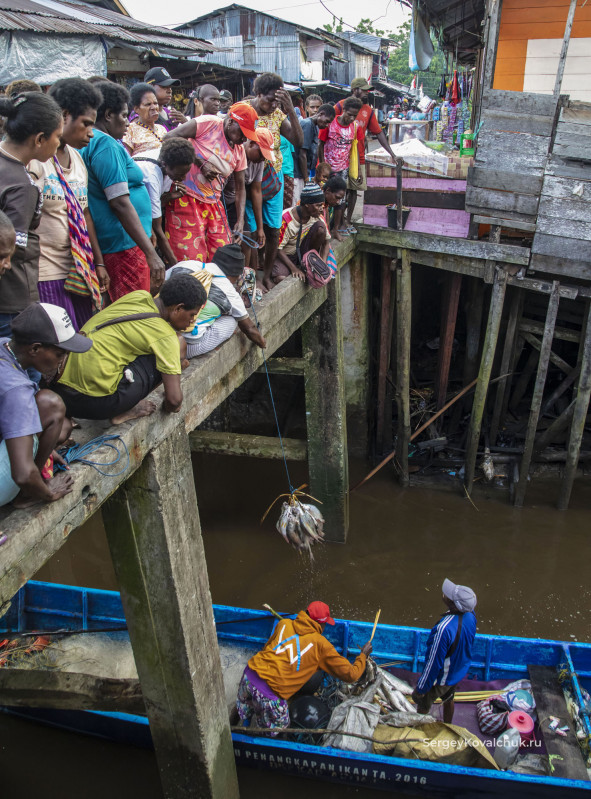
One of the most remarkable events in Agats is the arrival of the fishing boats at the market. Groups of women stand on the bridges, waiting for the men folk to come home with the catch. The boat arrives, and the selling gets going. The fishermen display a bunch of fish, while the women are screaming from above. Money is thrown down into the boat, and the fish is hauled up by rope. Once the women have bought their fish wholesale, they will then sit down at the quayside to sell it at retail.

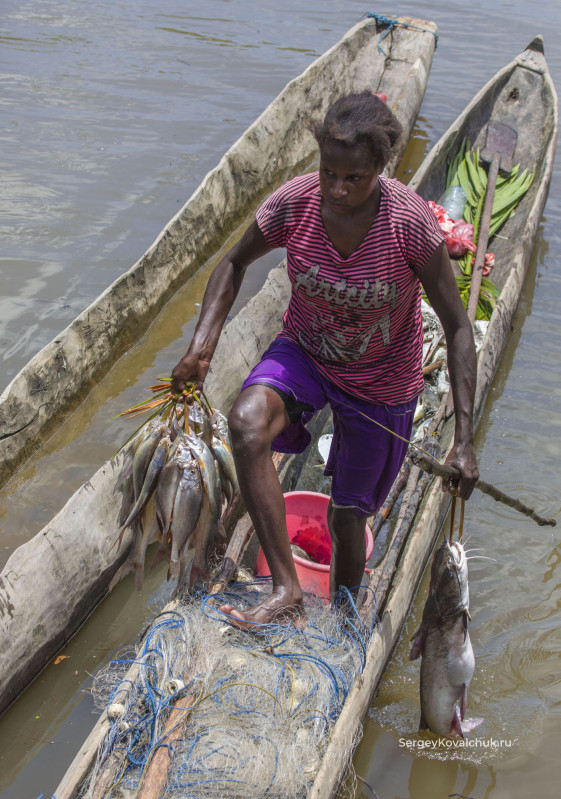

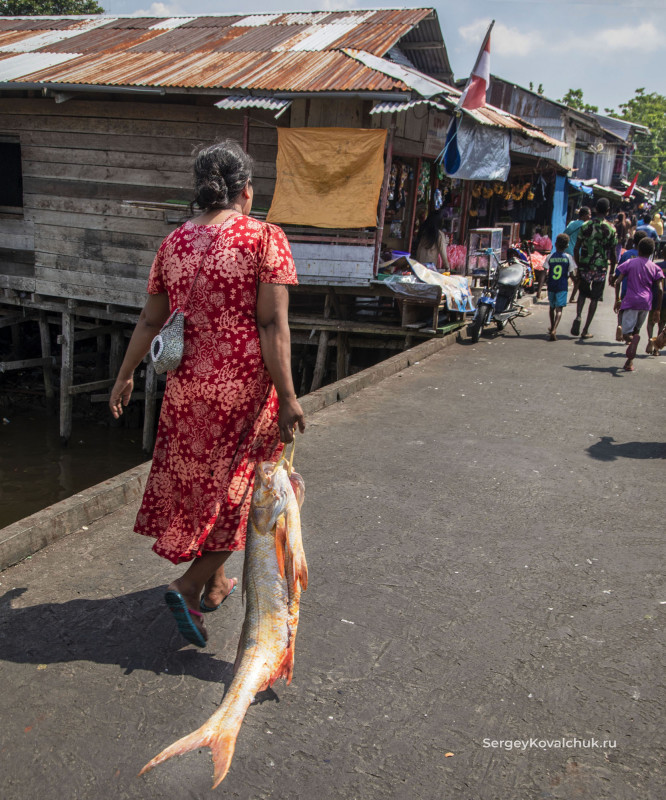


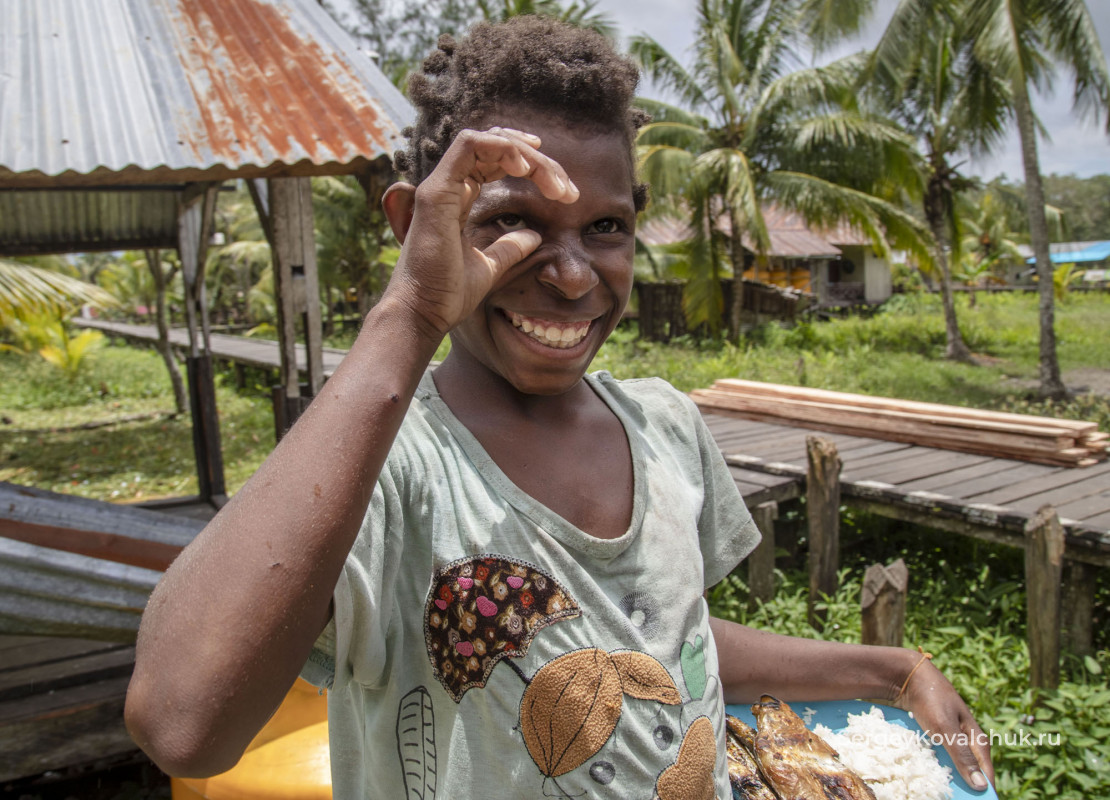
Fish makes up the main diet in villages located by the water.