Woleka and Kataga Dances
West Sumba
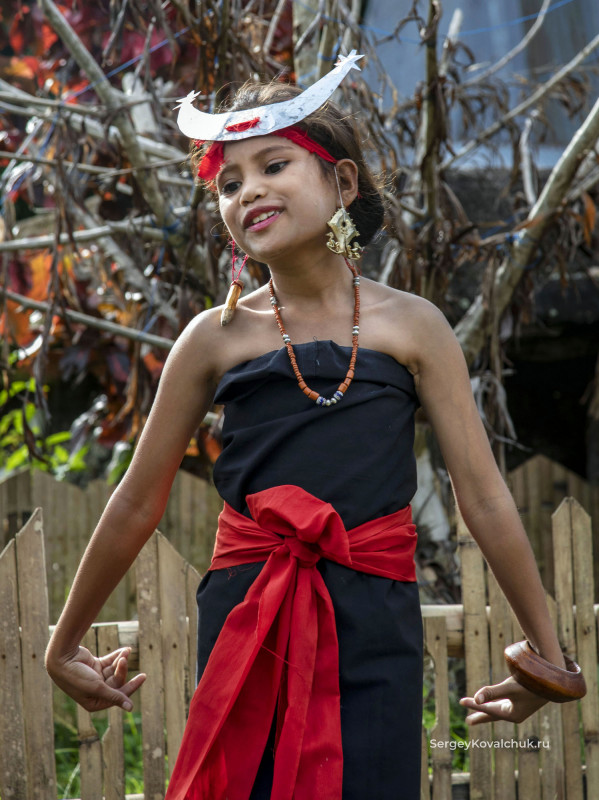
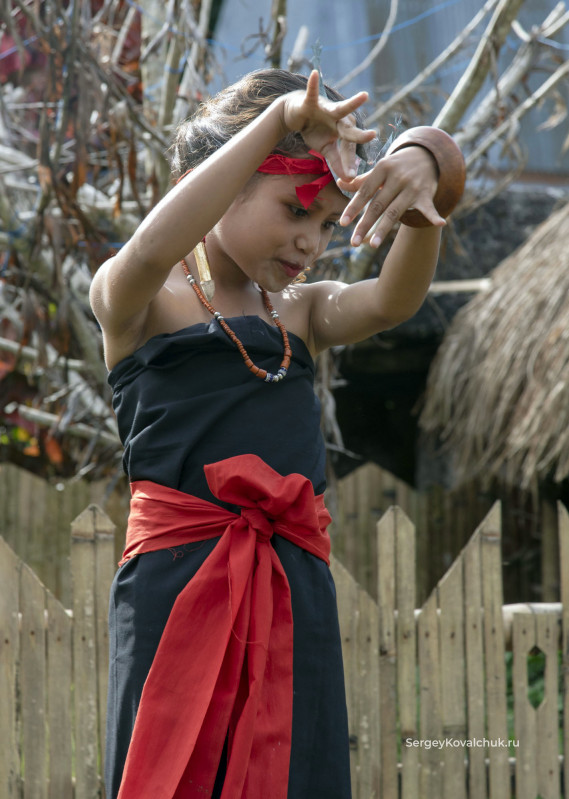
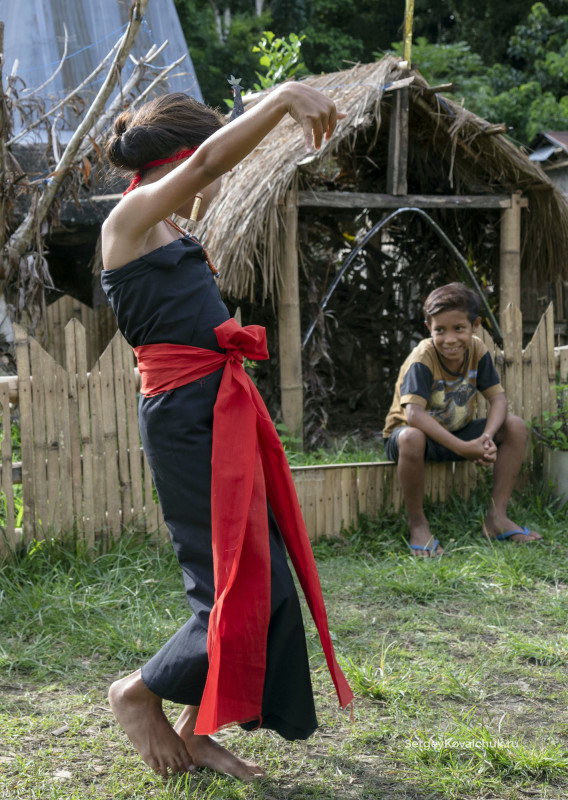
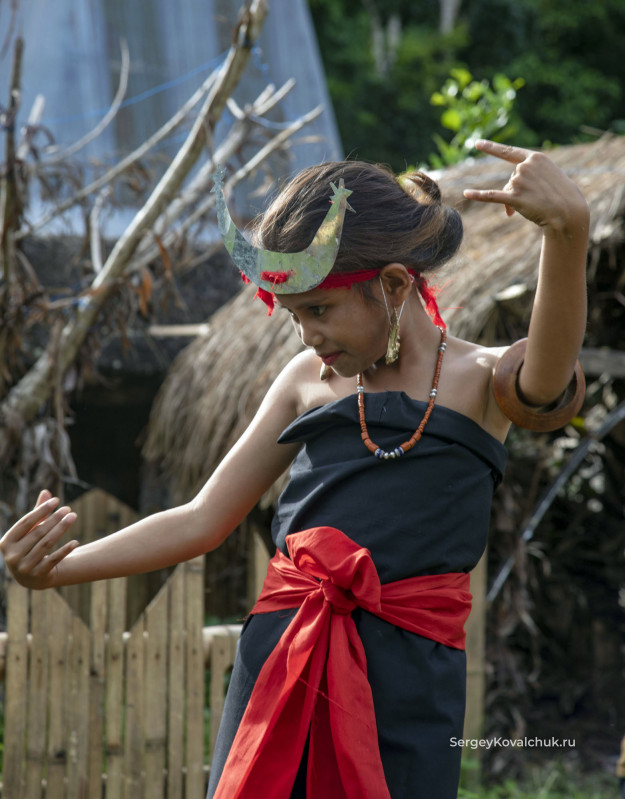
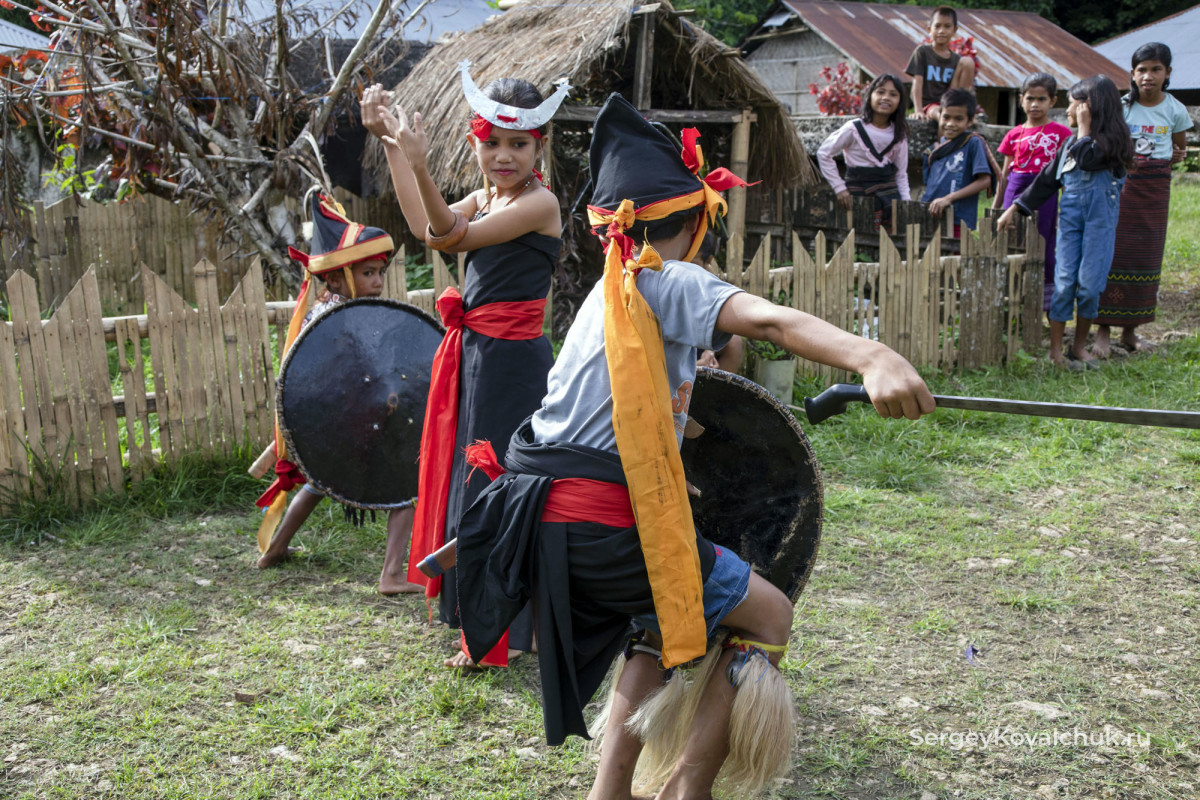
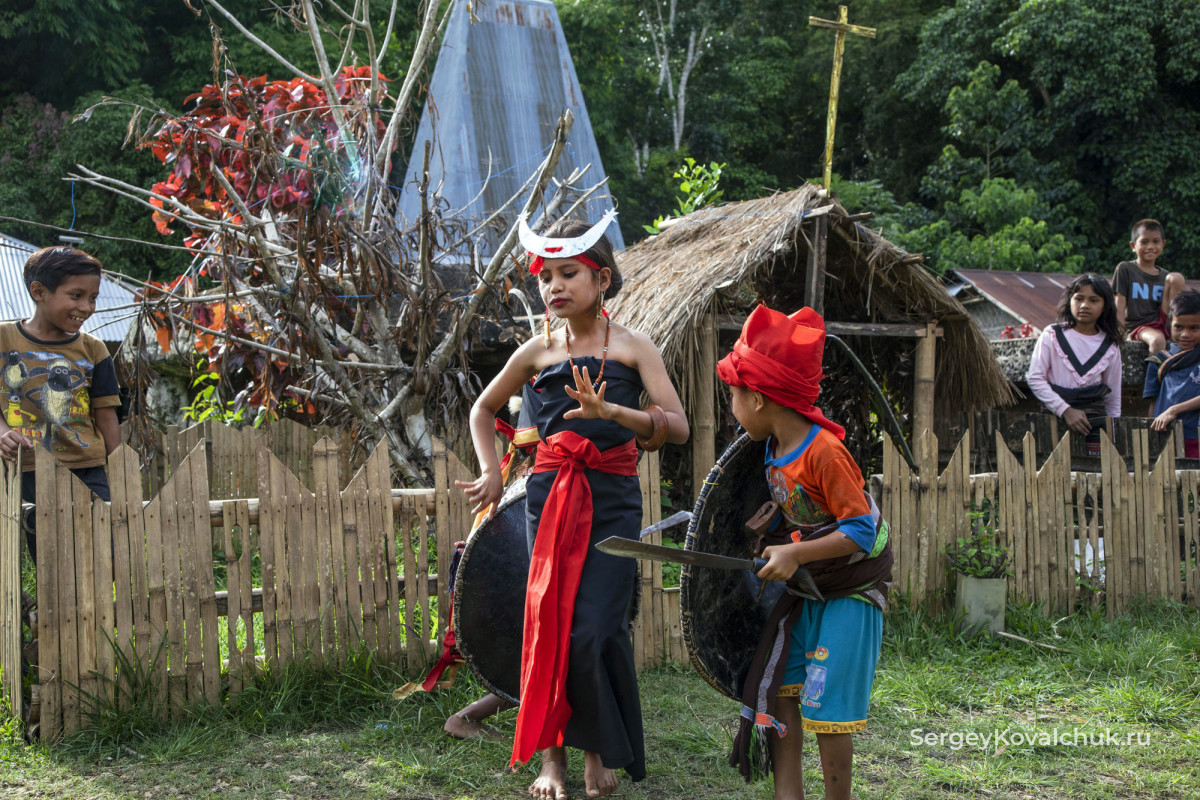
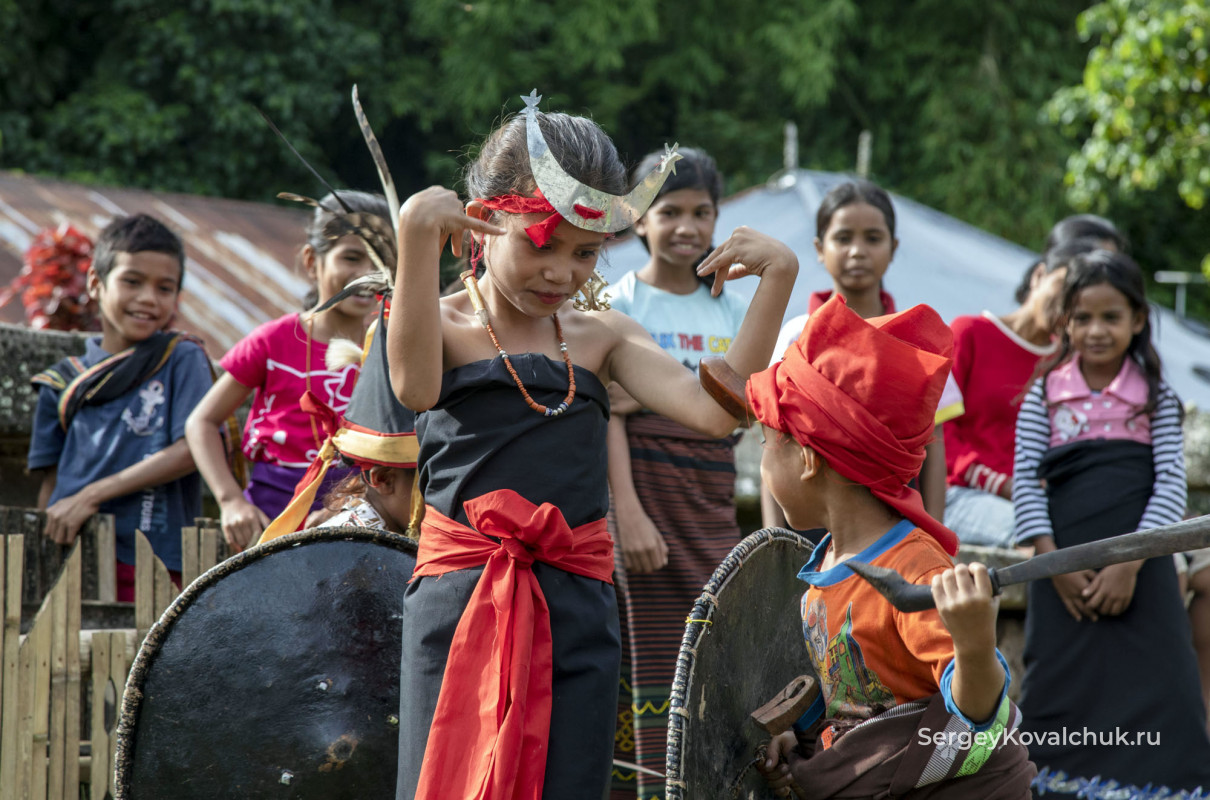
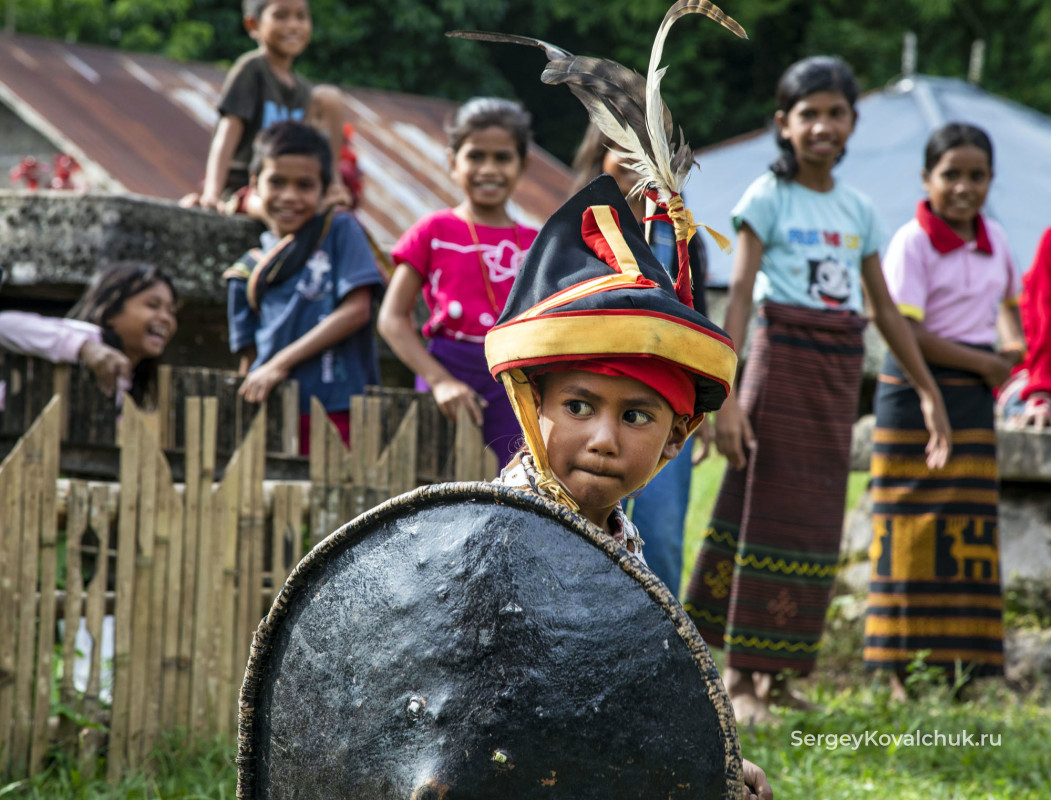
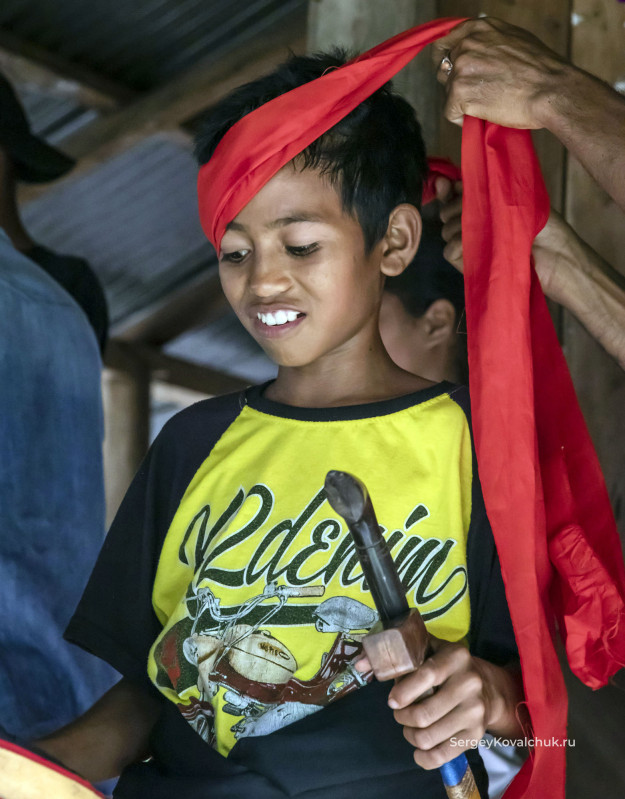
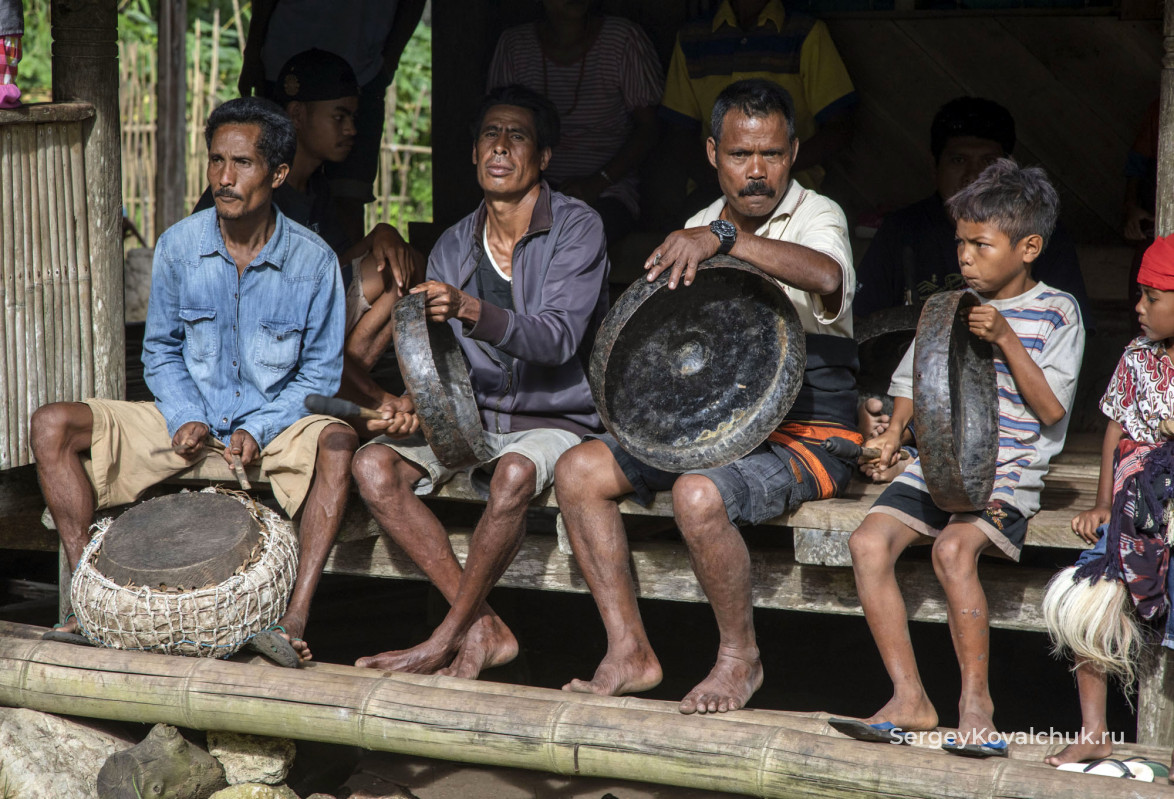
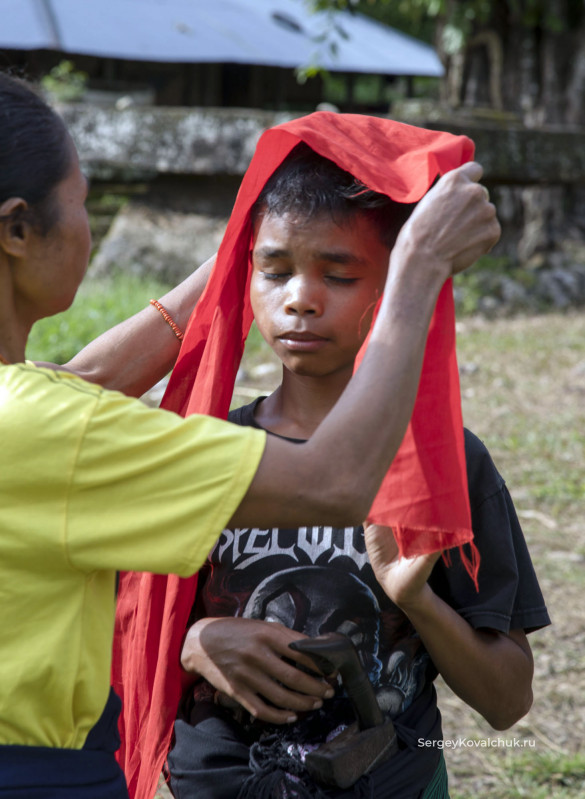
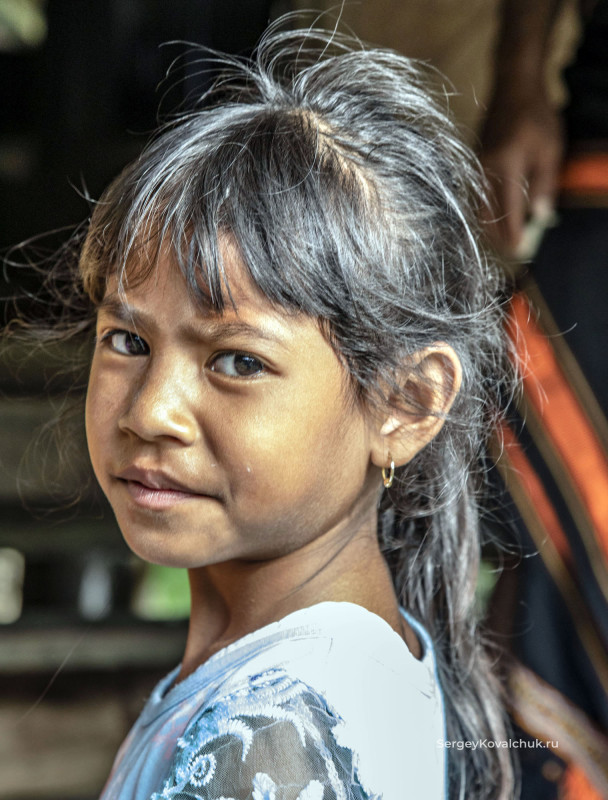
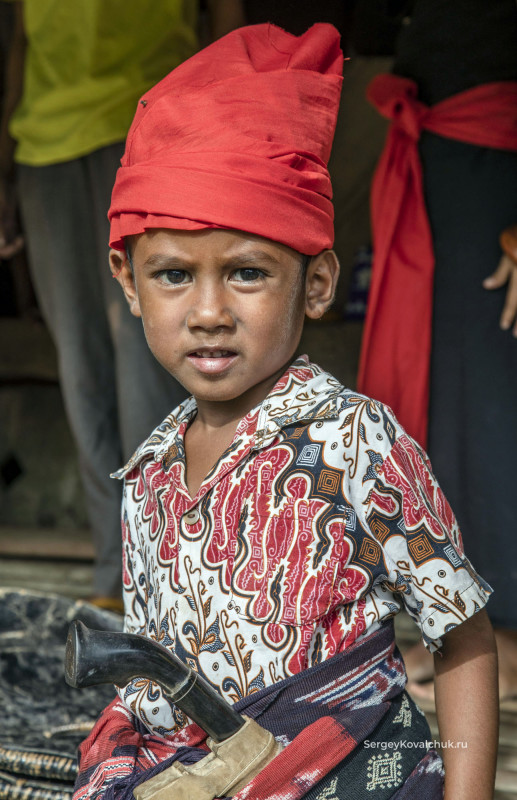
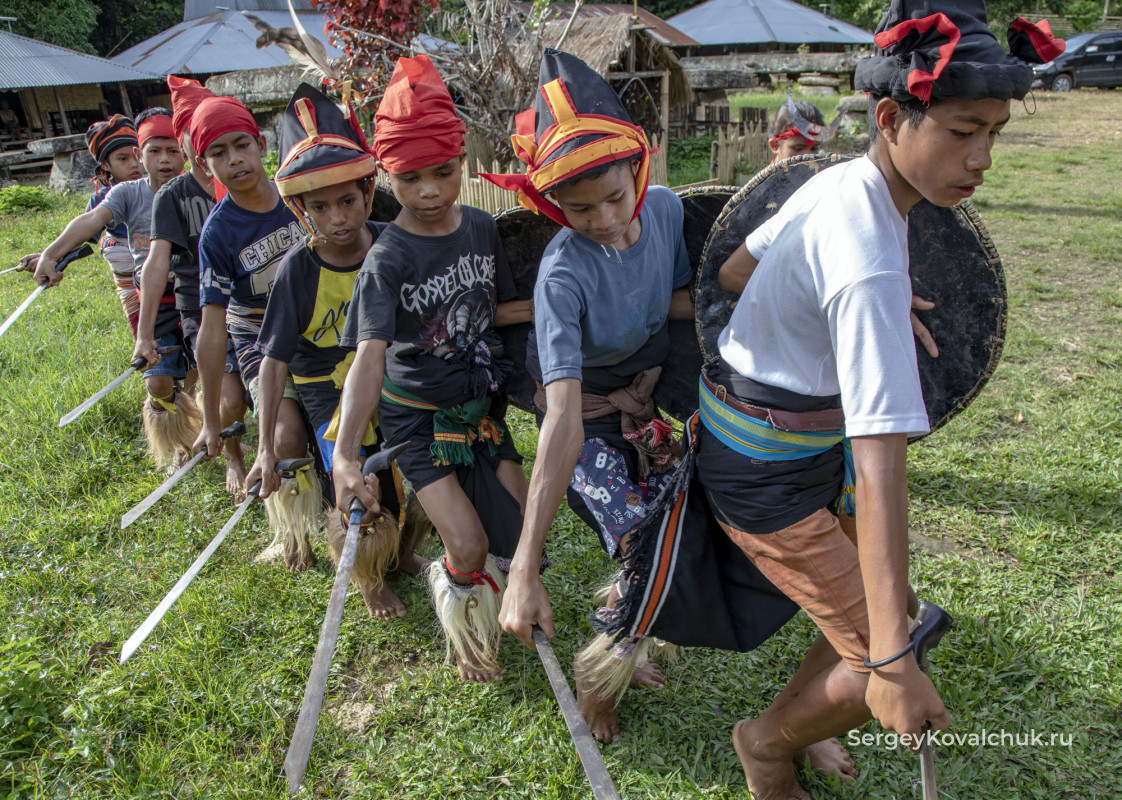
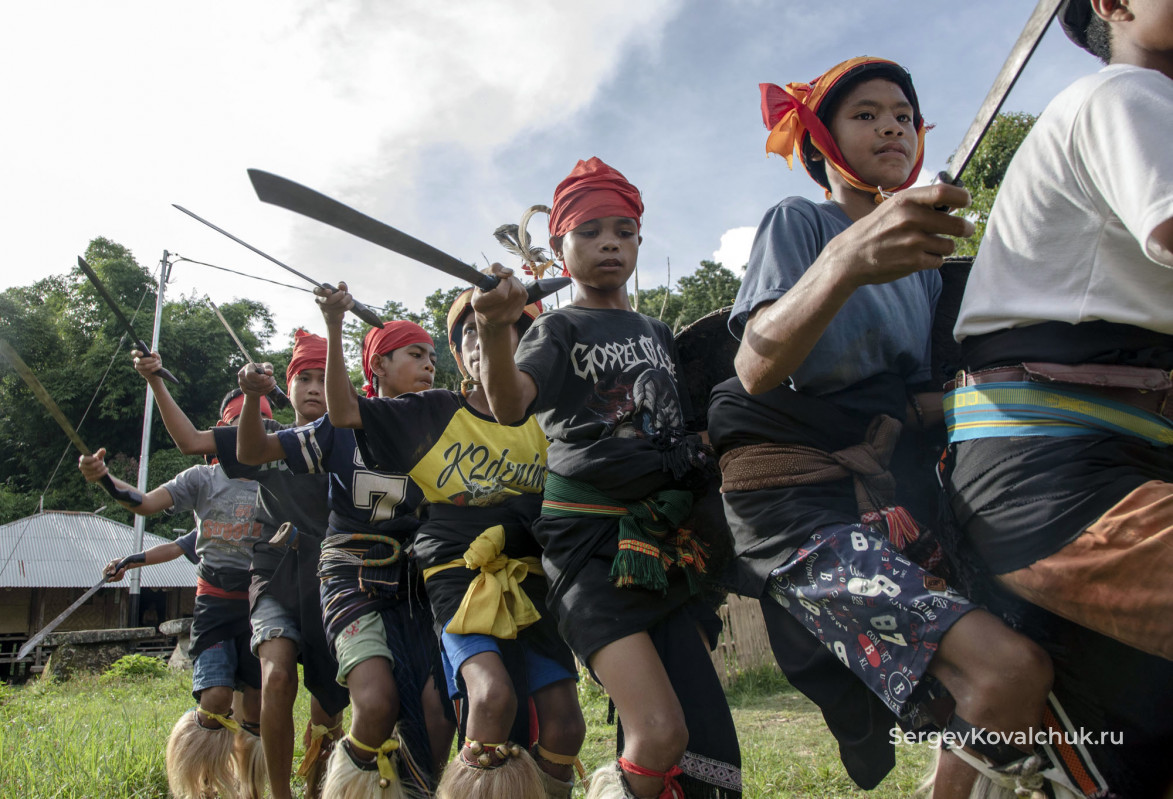
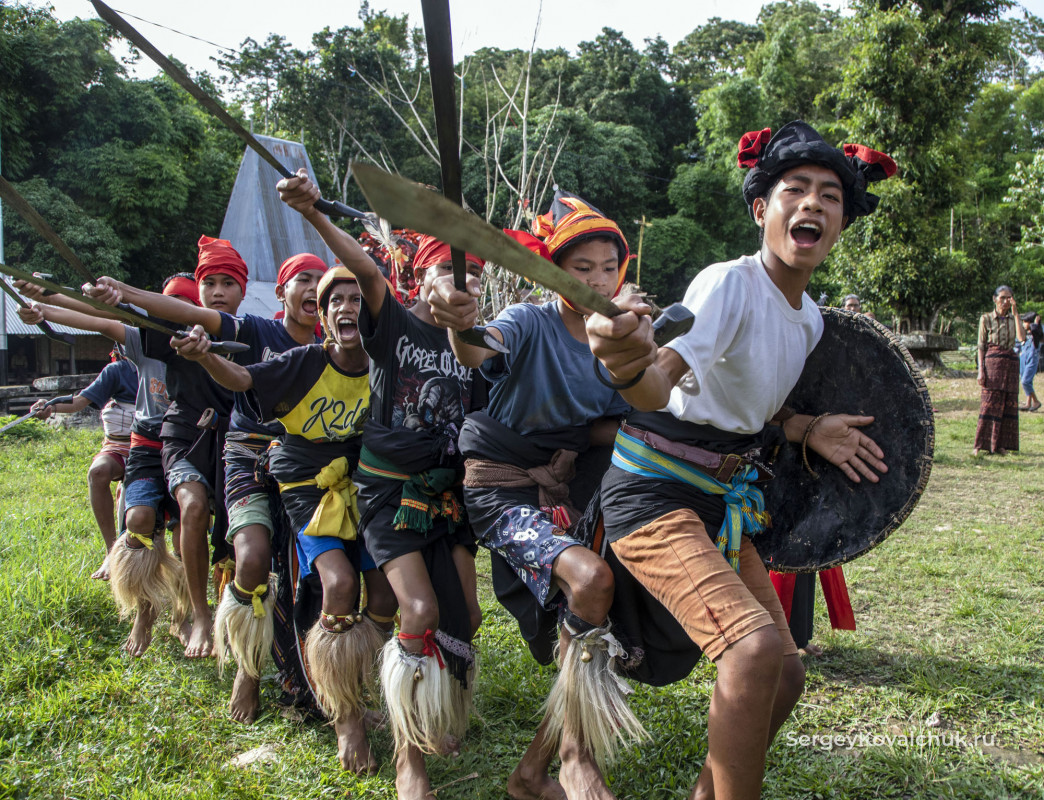
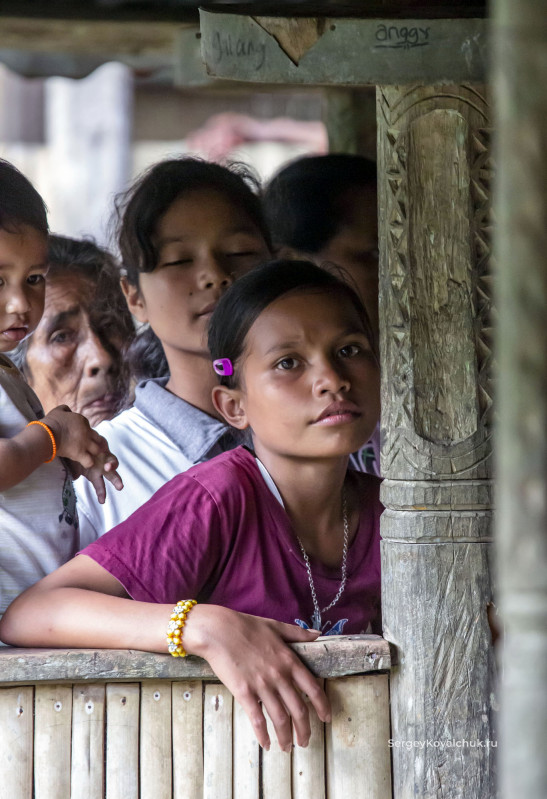
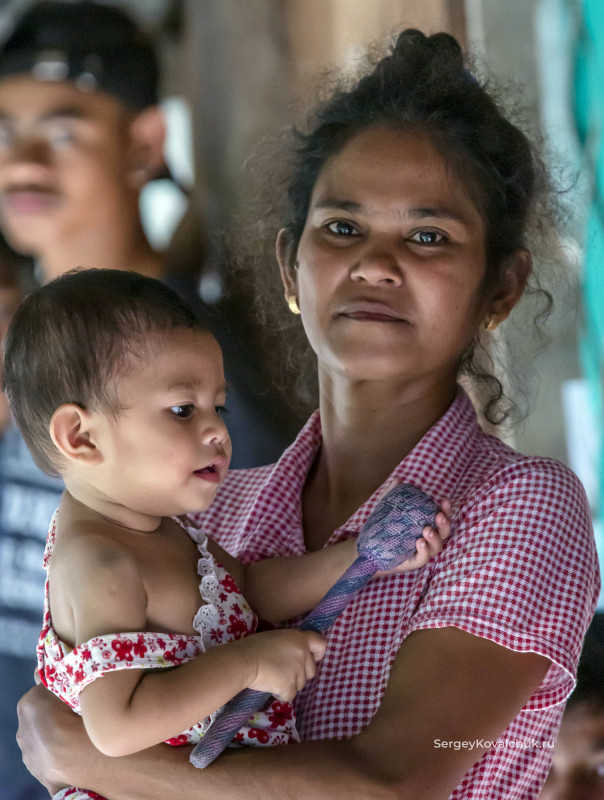
In a small West Sumba village the locals demonstrated upon my request the two most famous of the island's dances: kataga and woleka. The dancers were teenagers who performed under the instruction of grown women, while men playing traditional instruments provided the accompaniment. Almost the entire village gathered to watch.
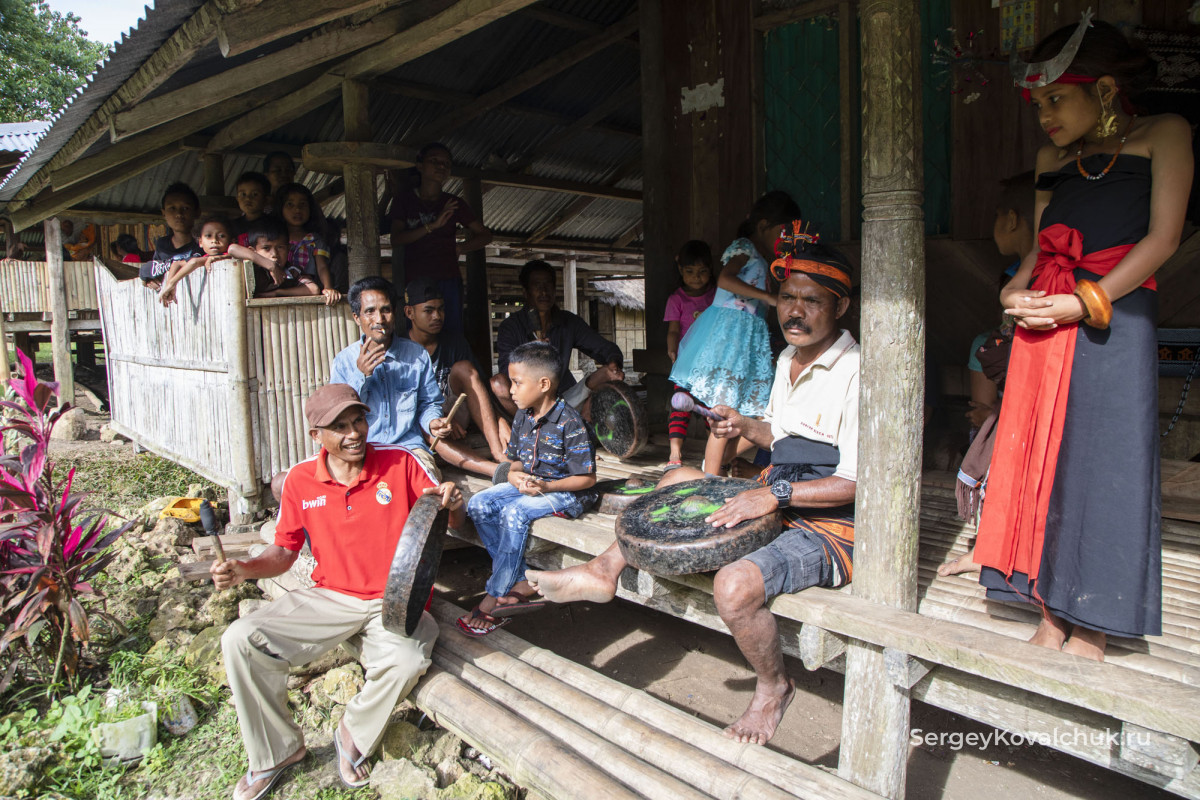
According to a legend, the kataga dance originated during tribal wars, when after a victory the warriors would bring to their village the head of the leader of the vanquished enemy. The head would be put on public display, but if the conflict between the tribes eventually ceased, the head would be returned to the tribe of origin as a sign of reconciliation. The dance moves of kataga imitate fighting techniques, as well as reenact the most important moment of the victorious battle: the beheading of the enemy.
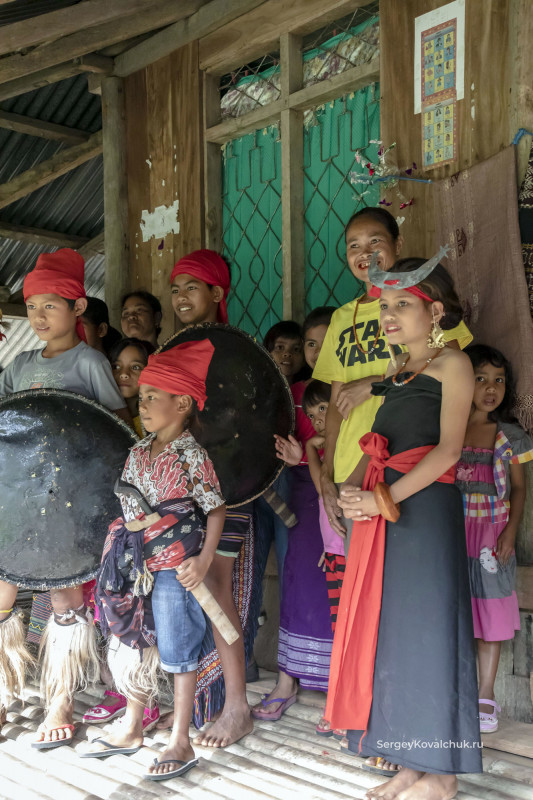



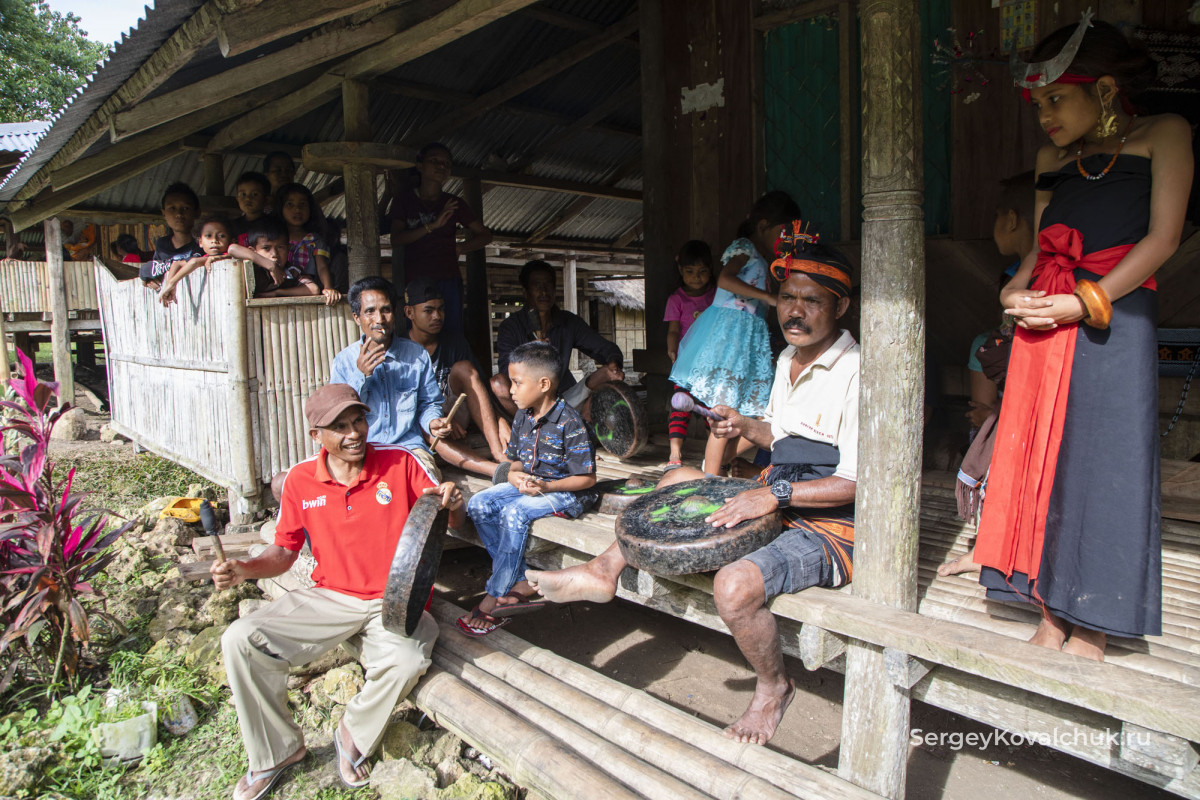

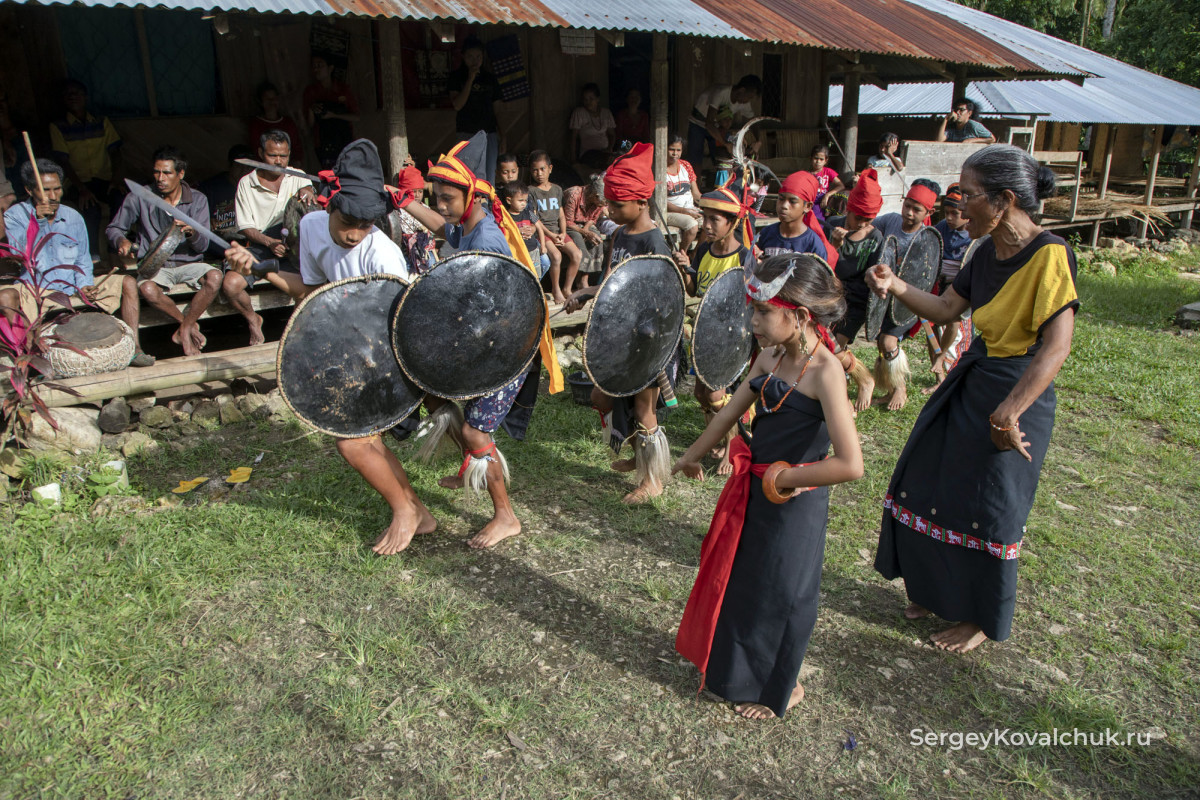

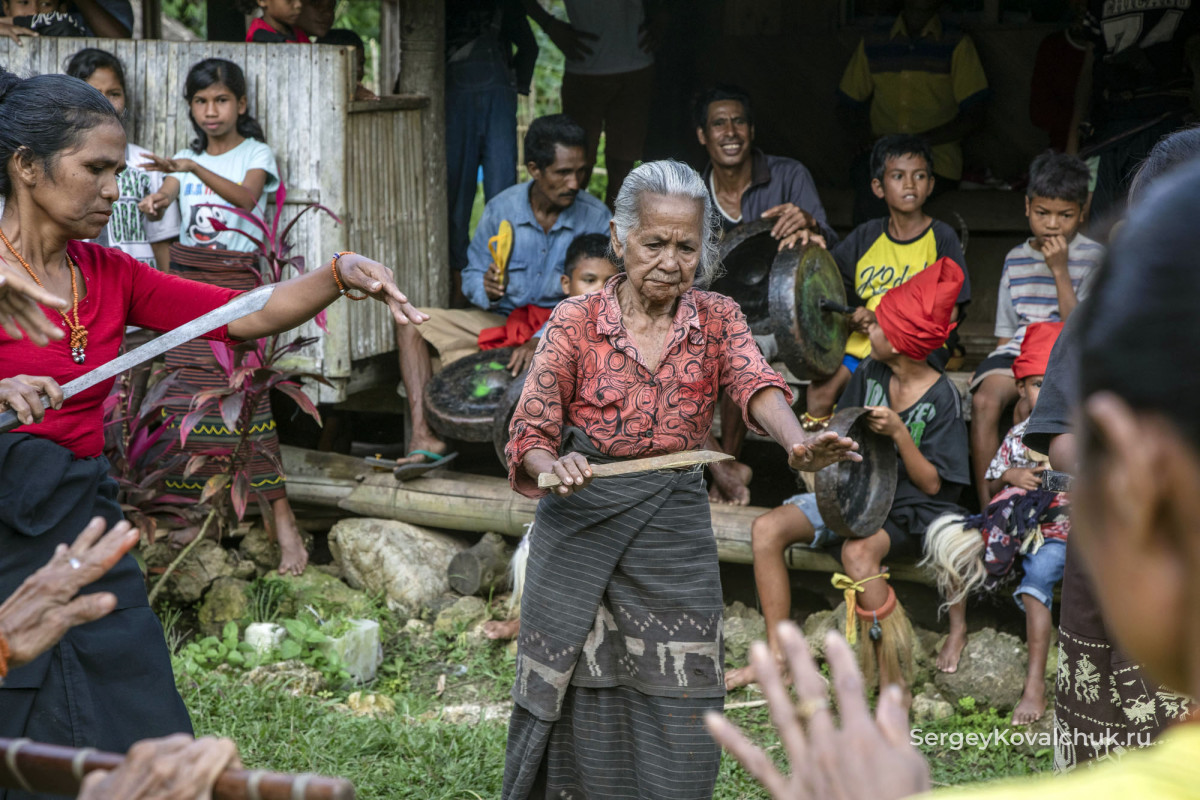
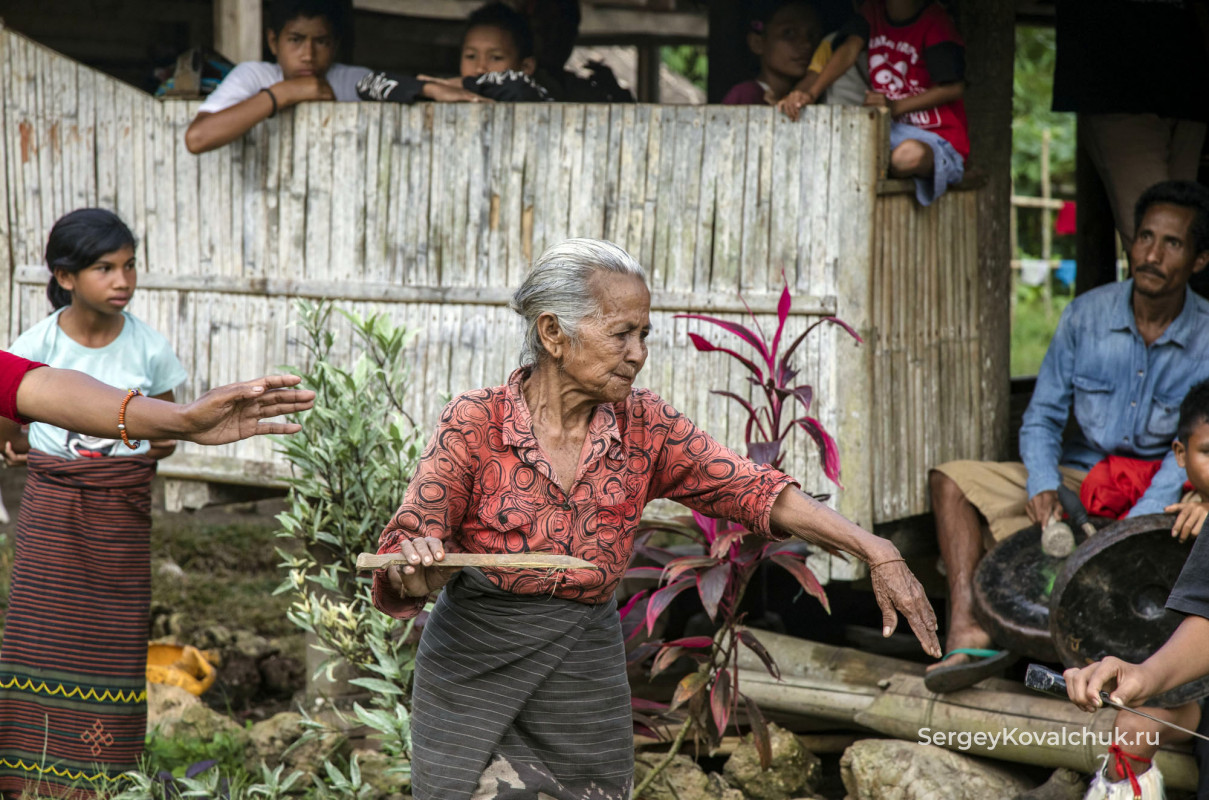
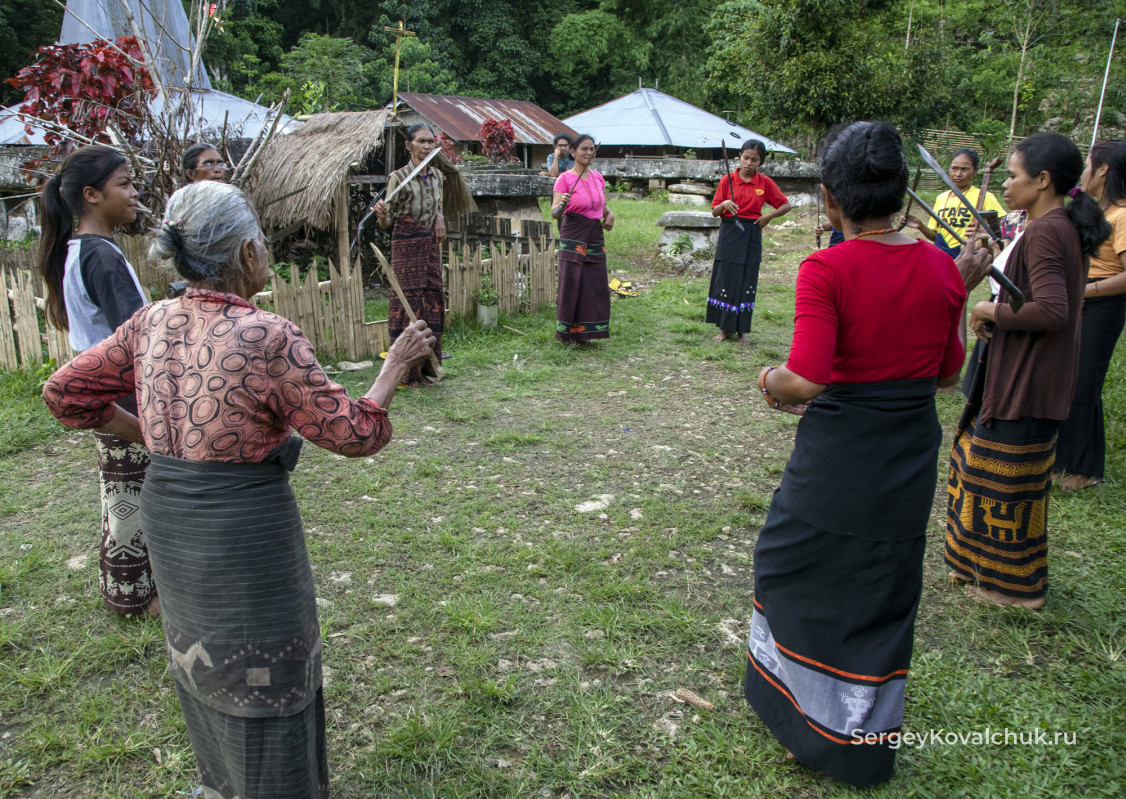

Woleka is a kind of a greeting dance. In the past, it was performed by young maidens to welcome home their fellow warrior tribesmen after a victorious battle. Nowadays it is performed both by women and men. The dance moves vary by gender: the women dance slowly and gracefully, to underscore their elegance and beauty; the men dance fast and vigorously, to demonstrate their dexterity, courage, and bravery.