Dance Traditions of Bali
The dance and musical art of Bali is characterized by a great diversity of form and has rightfully deserved world recognition. The most interesting are the sacred dances created to be performed in temples, dramas based on Hindu epics and local legends, greeting dances performed by young women, and many others. Children in Bali begin to be taught the art of dance at the age of four or five, and much attention is paid to this education. In the past it was believed that every Balinese resident had to know how to perform traditional dances. The testimony to the importance of Balinese dances to world culture is the fact that in 2015 UNESCO recognized nine traditional Balinese dances as masterpieces of Intangible Heritage of Humanity.
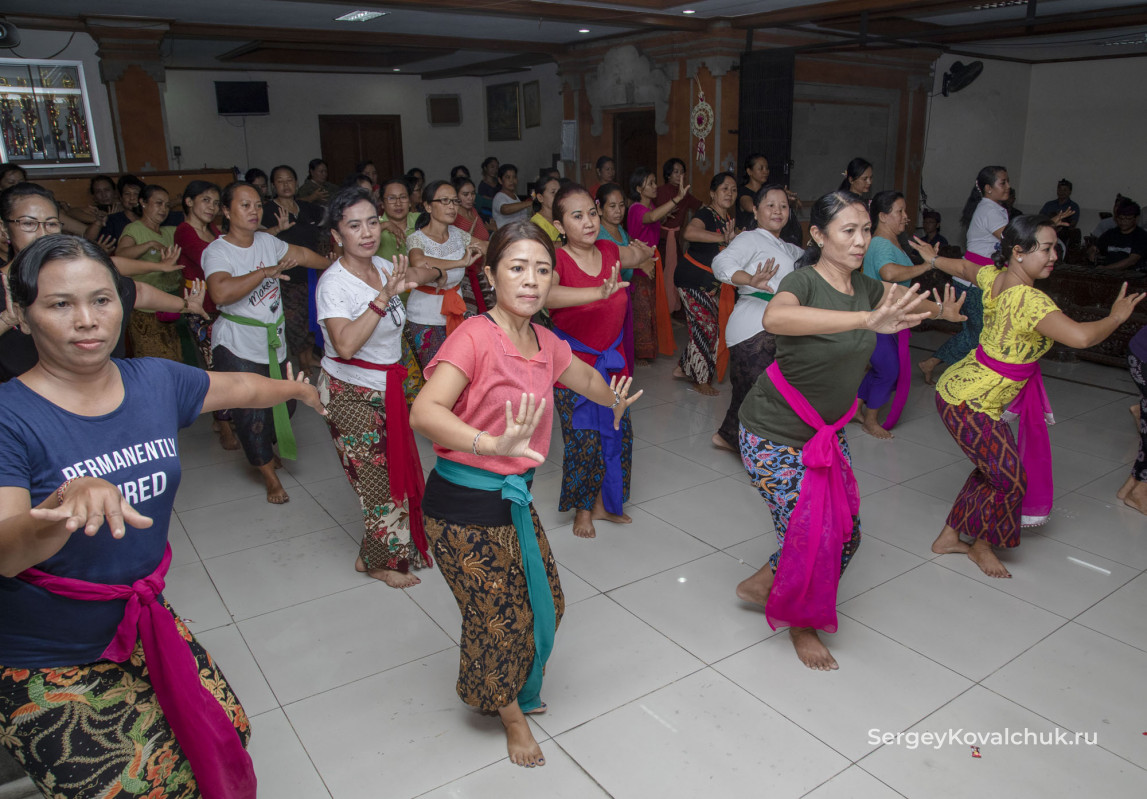
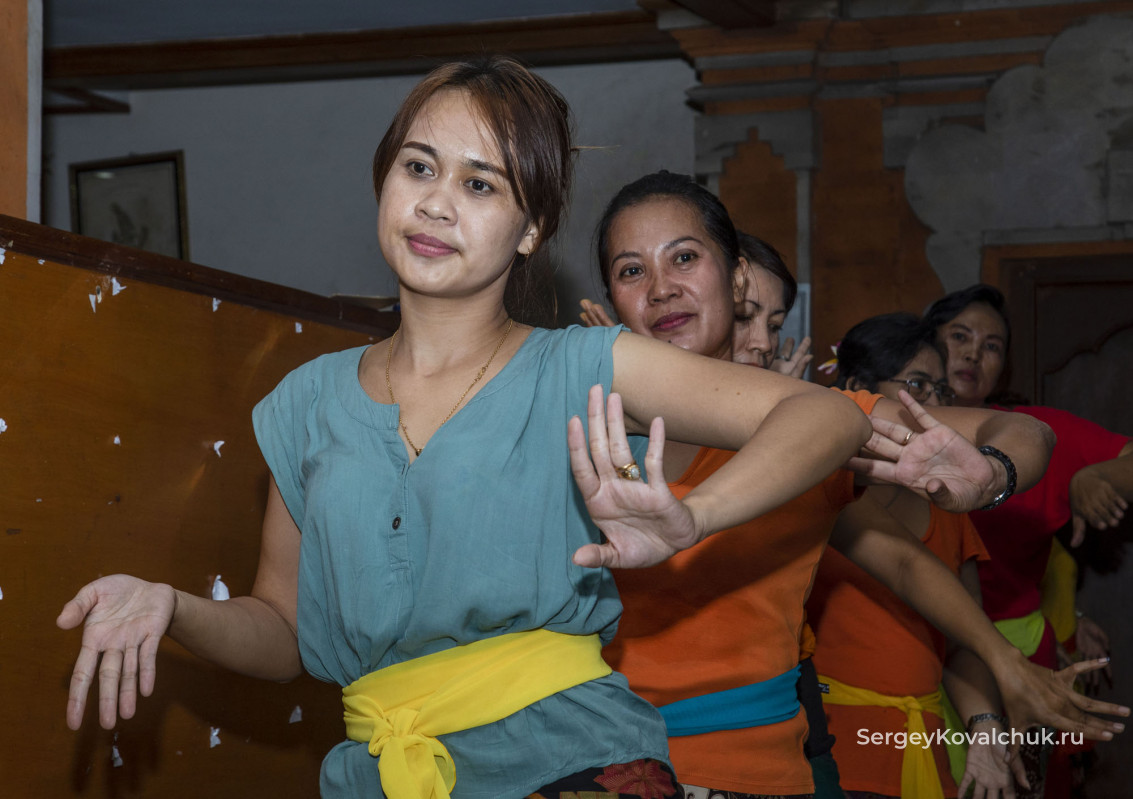
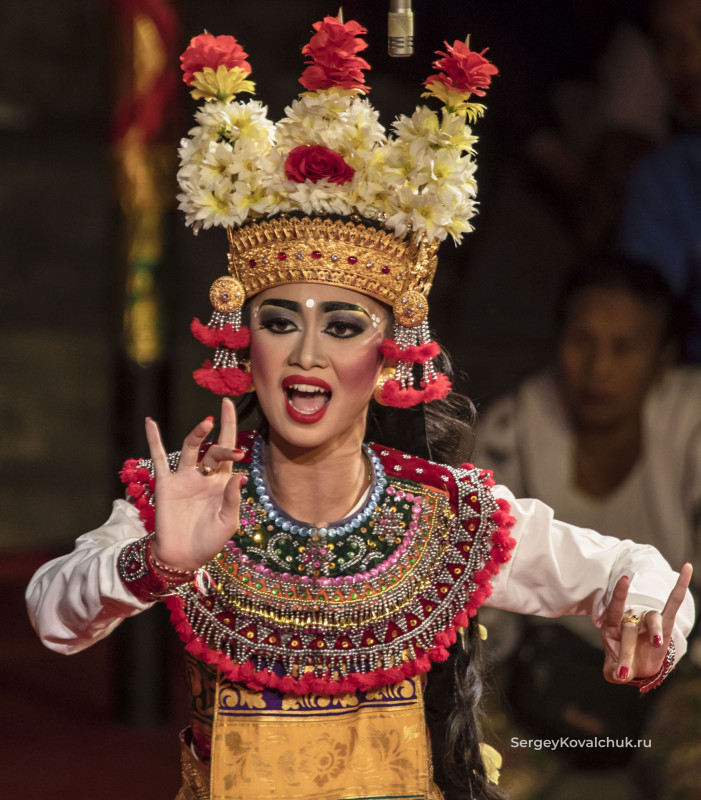
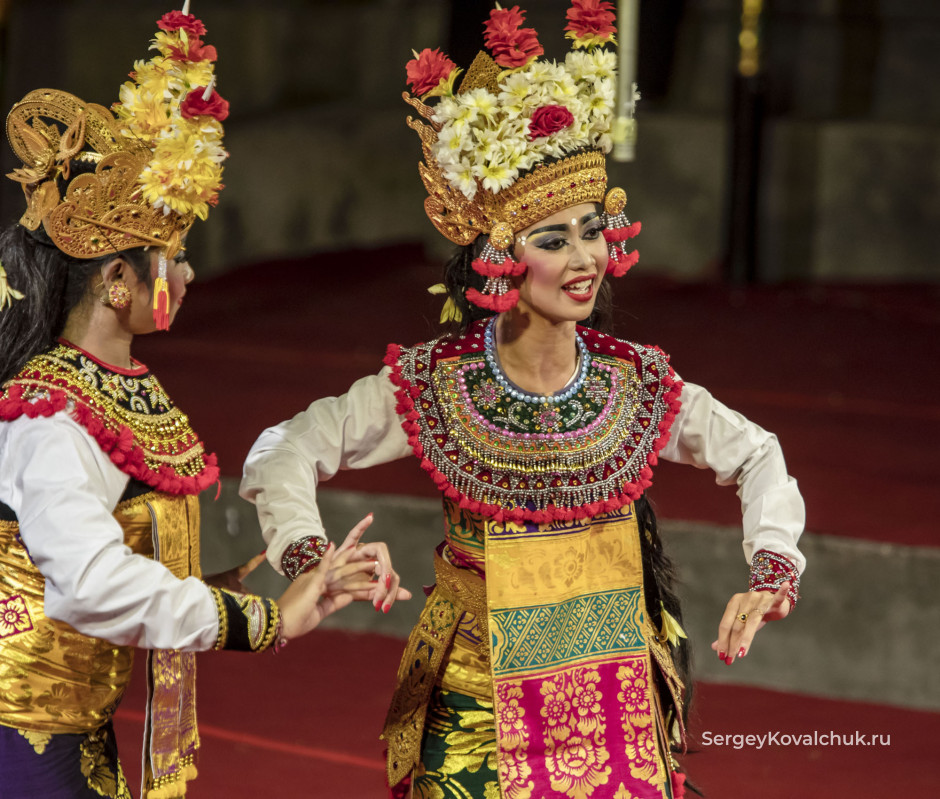
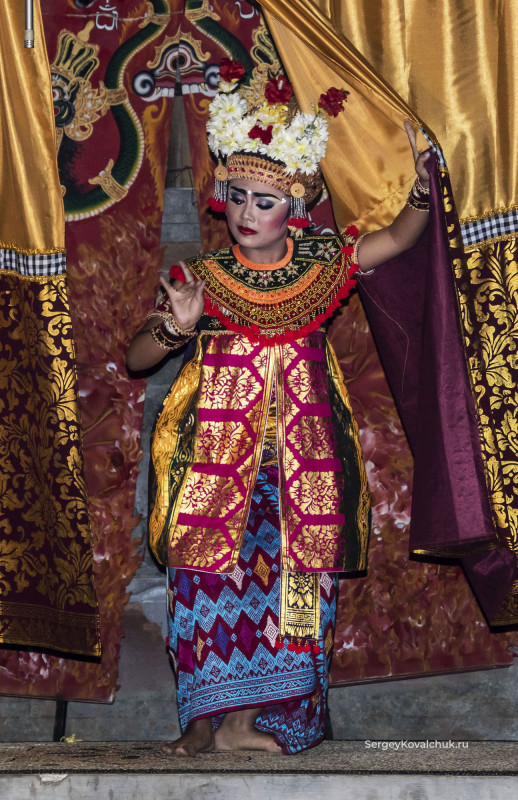
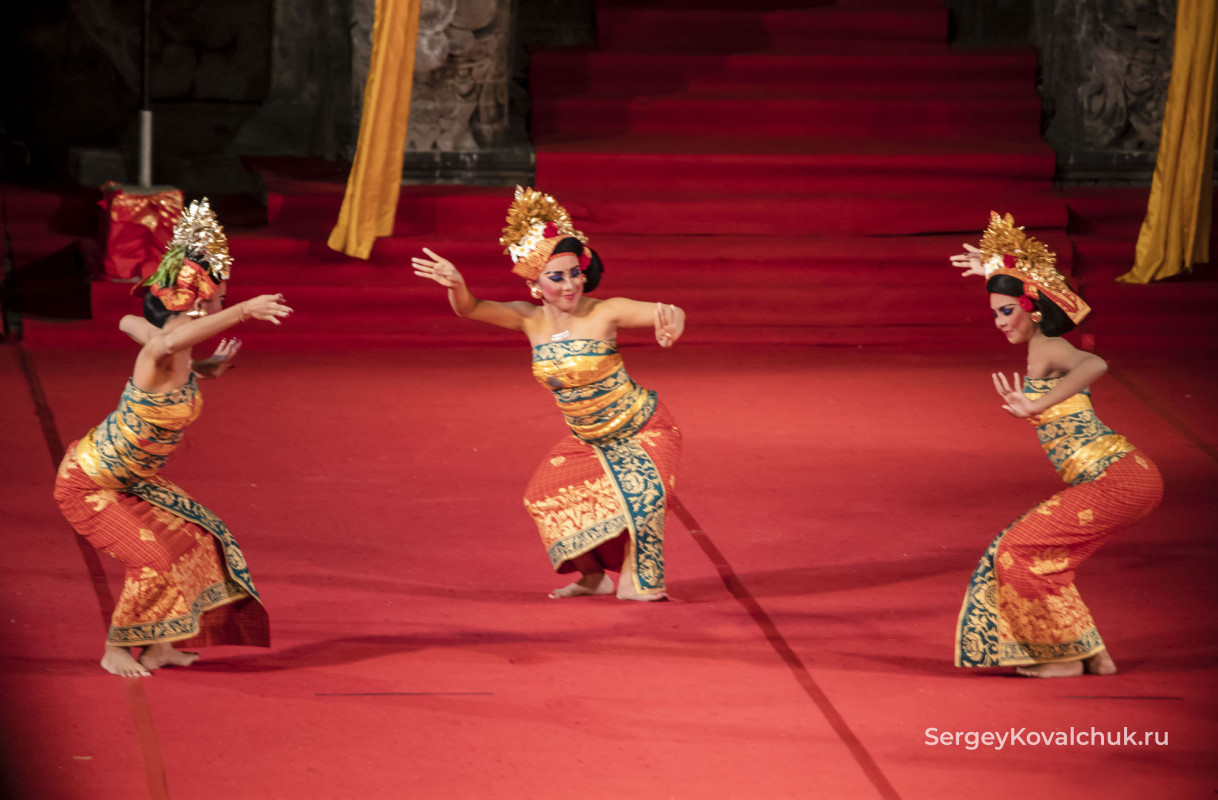
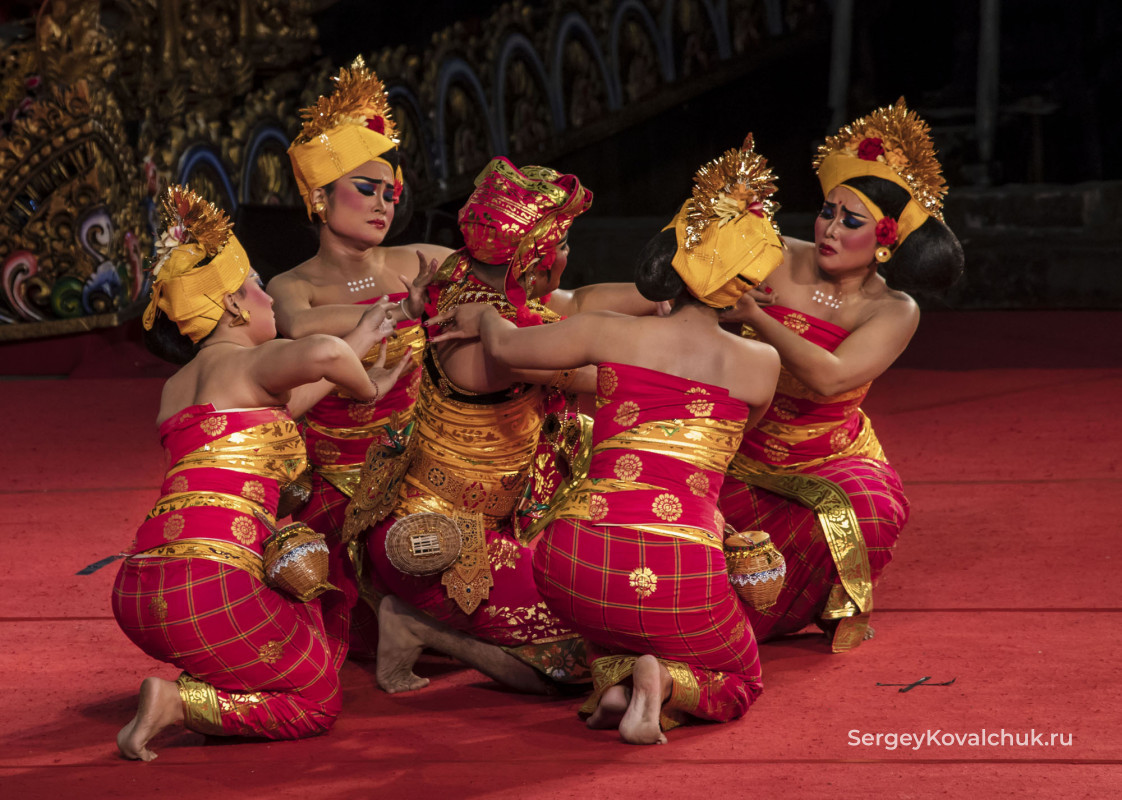
One can get to know Balinese dance in many places. I saw a performance in the town of Ubud, where dance performances take place almost nightly in the Puri Saren Agung palace complex. The audience delighted in the classical legong dance, marveling at the intricate hand gestures, complicated footwork, and body movements, and the dancers’ ability to express emotions with the mere expression of their eyes. The legong took its modern shape in the 19th century. A legend says that one of Balinese rajas instructed young women to perform the dance after he saw it in a dream. The dancers in colorful clothes perform a story about a ruler in unrequited love, and whom a giant kite prevents from kidnapping his beloved.
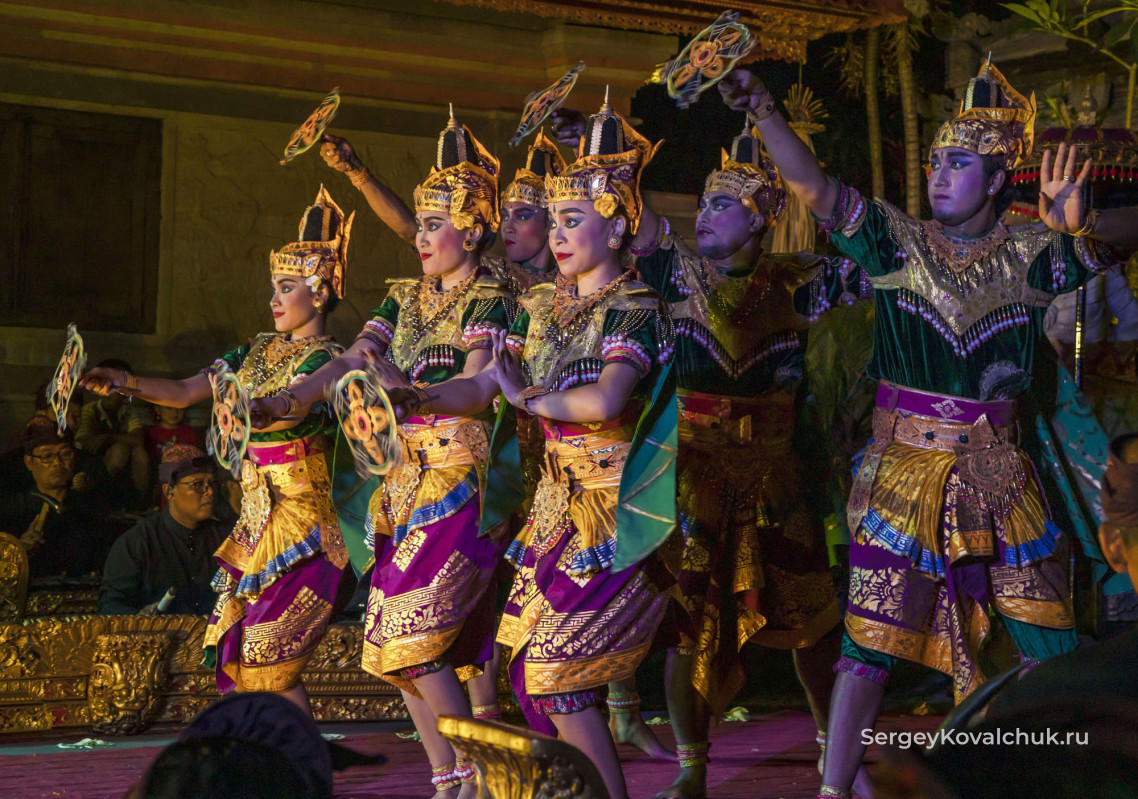
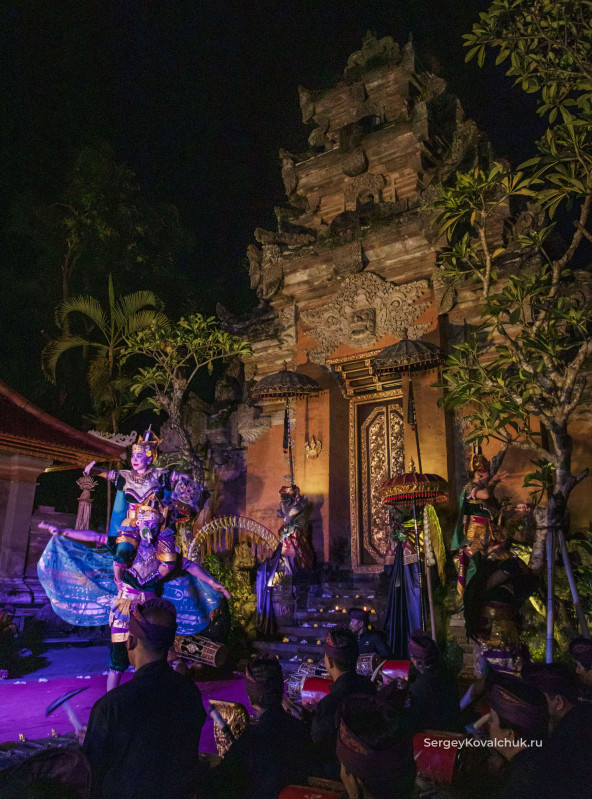
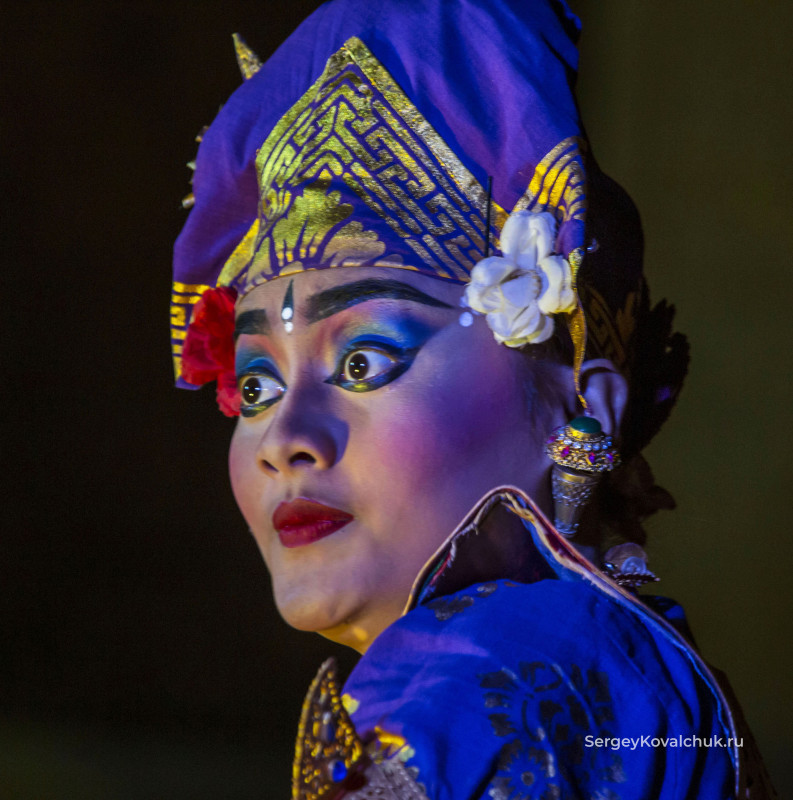
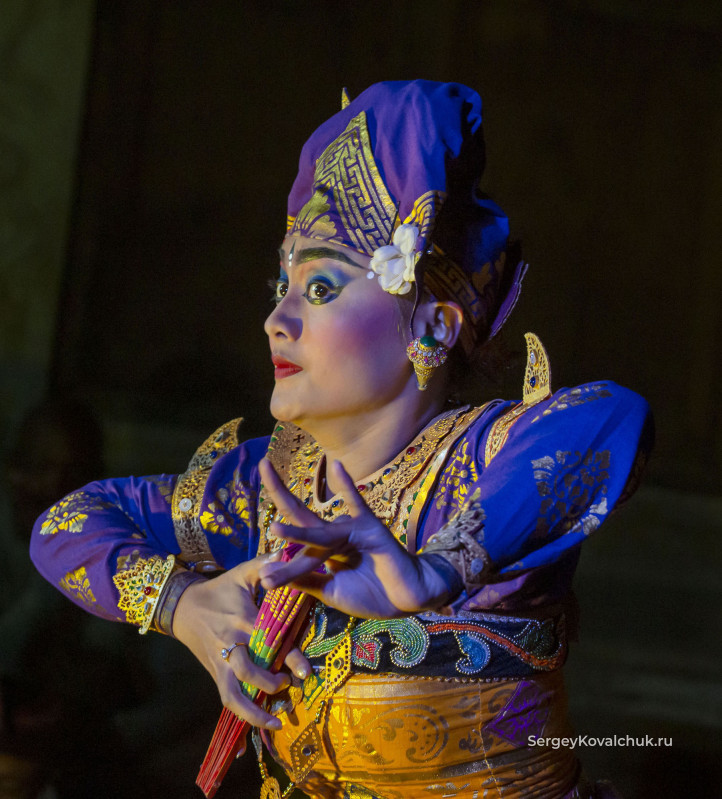

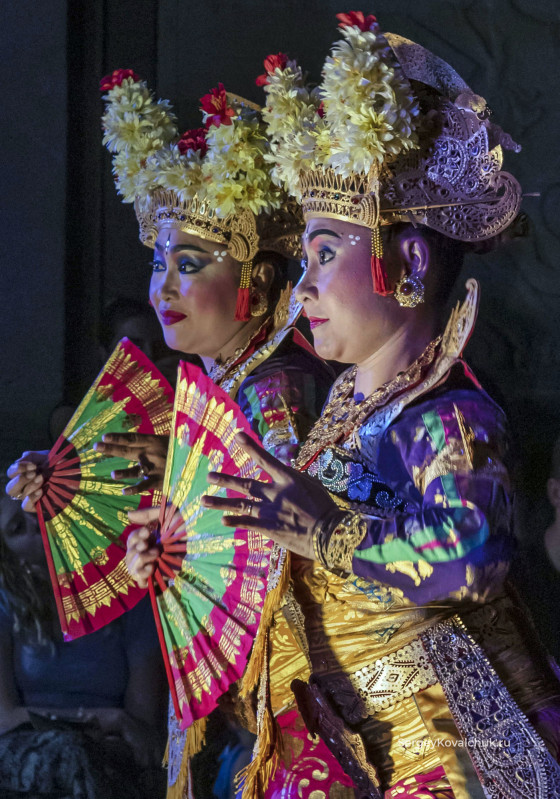
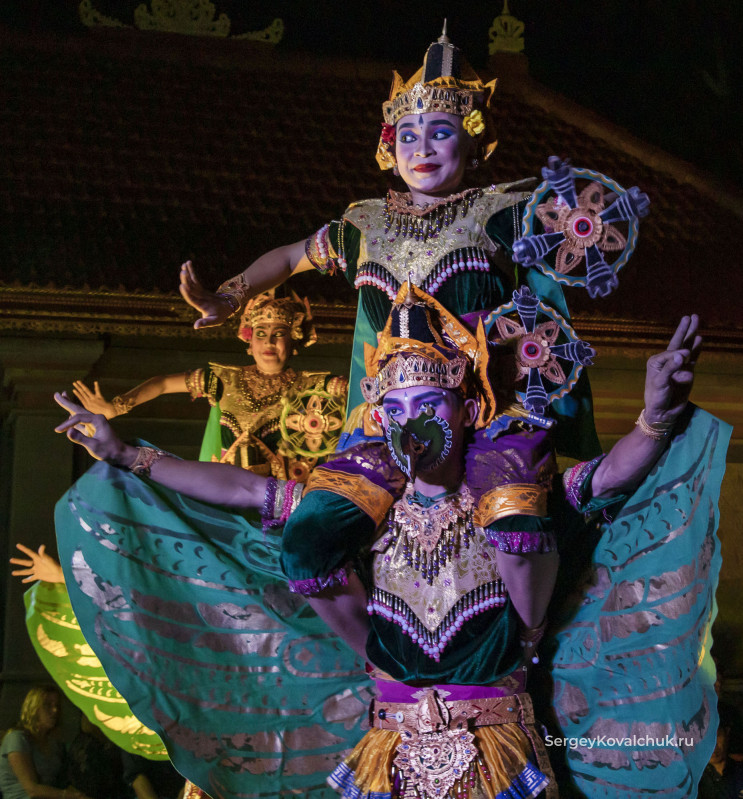


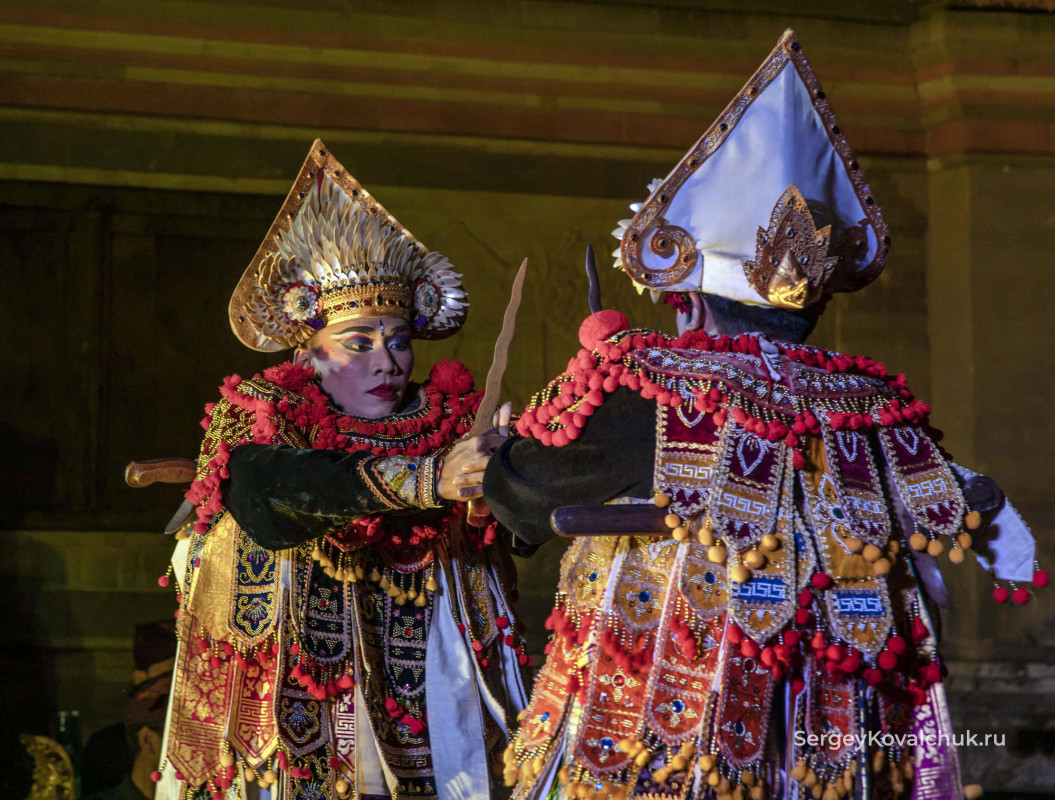
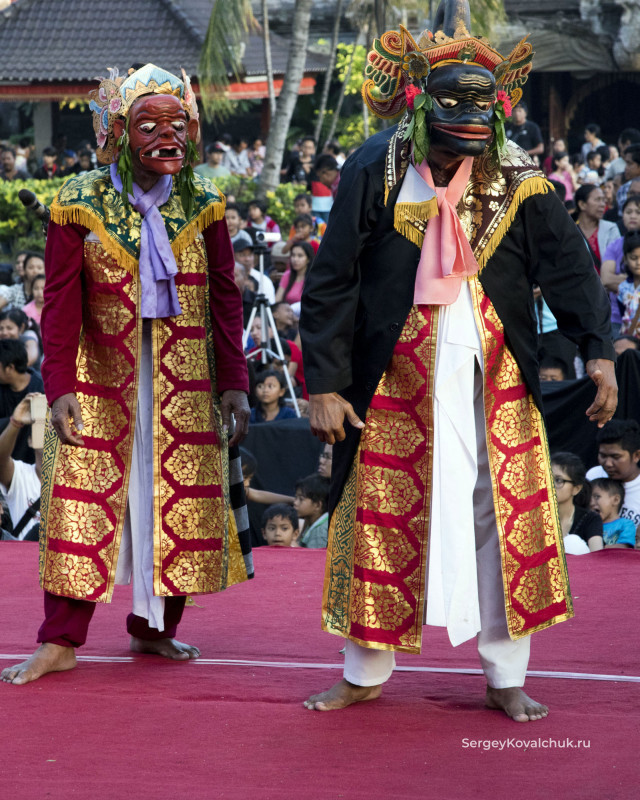
No less impressive is the baris dance. Two men in complex clothing with flying ribbons and tall triangular headdresses perform this war dance, demonstrating their combat rage and strength.


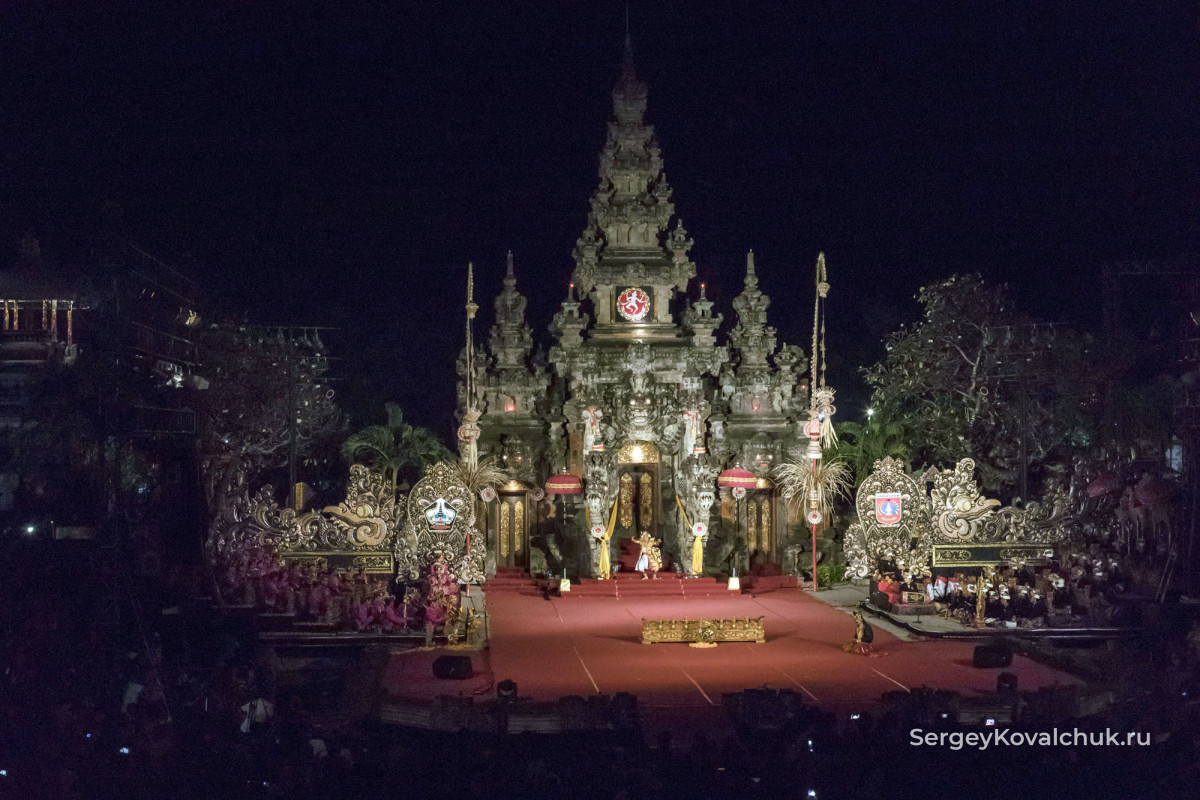
One can get to know various kinds of traditional and modern art, first and foremost music and dance, during the Bali Arts Festival. It takes place every year between mid-June and mid-July at the Art Centre in Denpasar, and in 2018 it celebrated its fortieth anniversary. Here on display are the paintings and crafts created in Bali and on neighboring islands. Several stages present classical dance, shadow puppet theater, and there are all sorts of concerts and competitions.
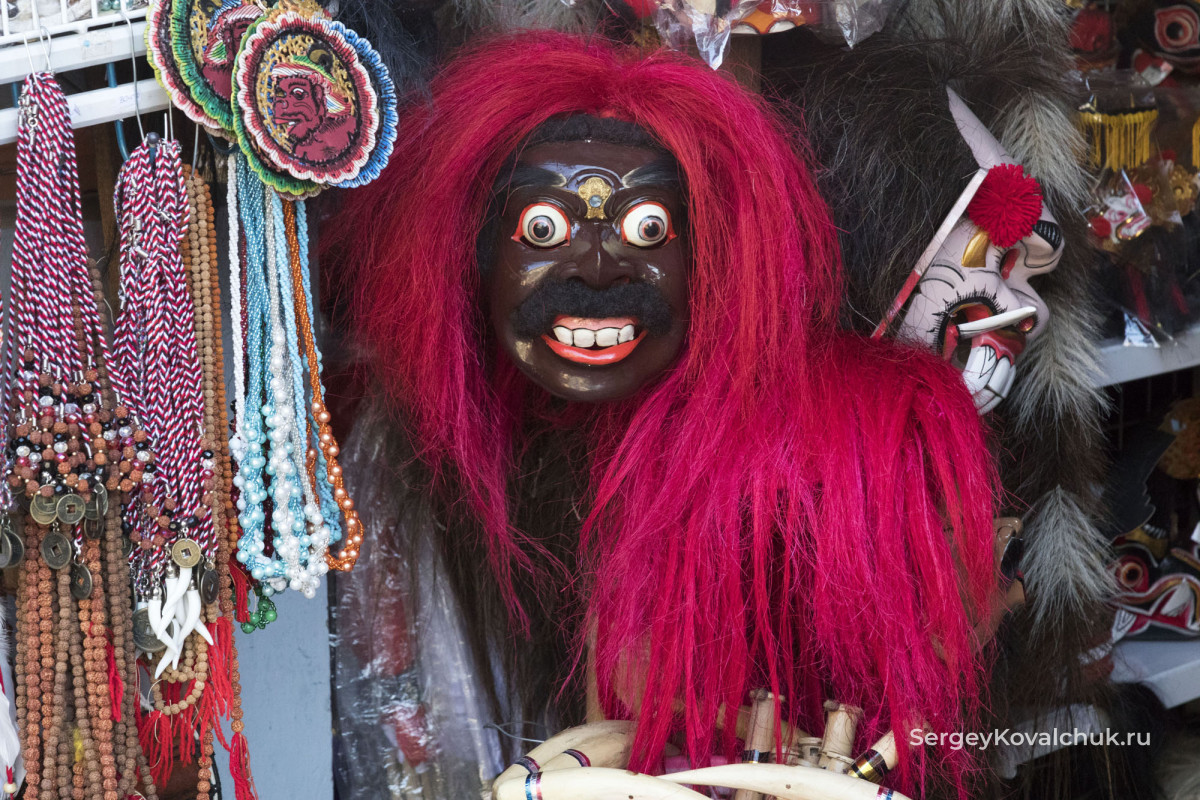
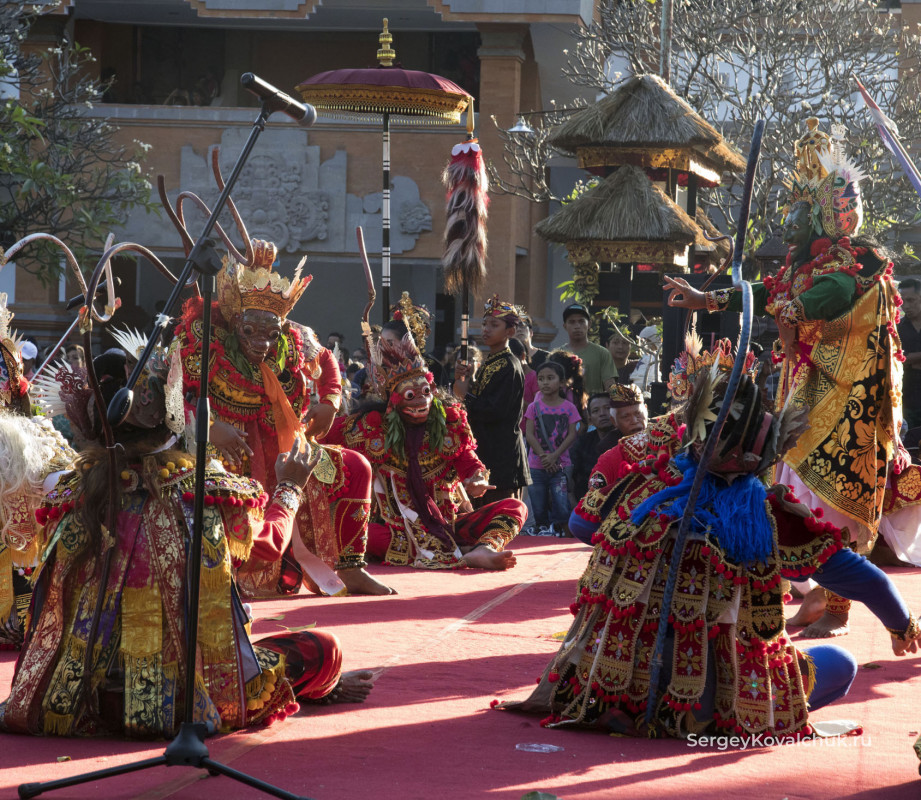
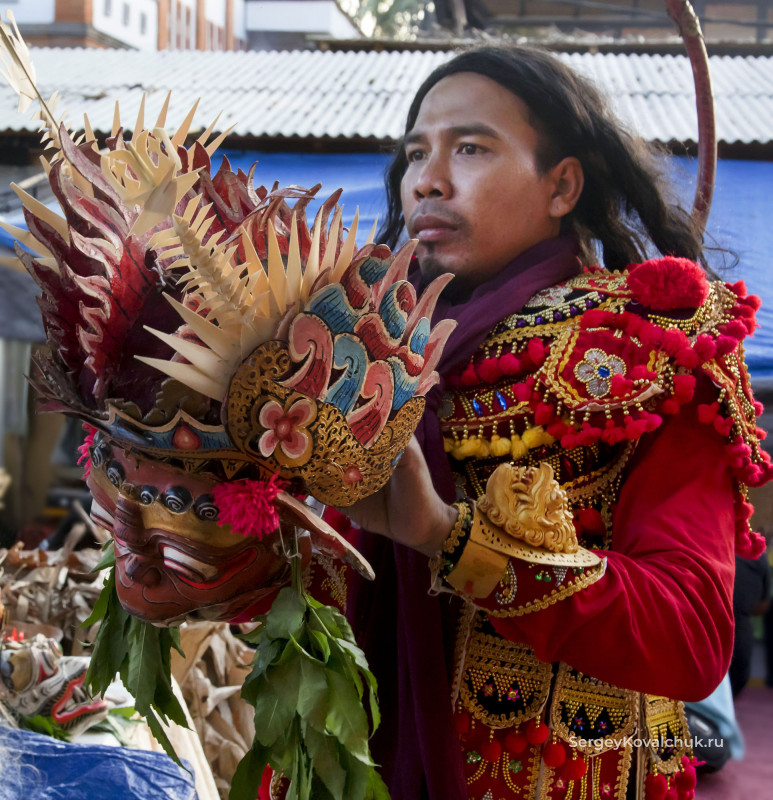
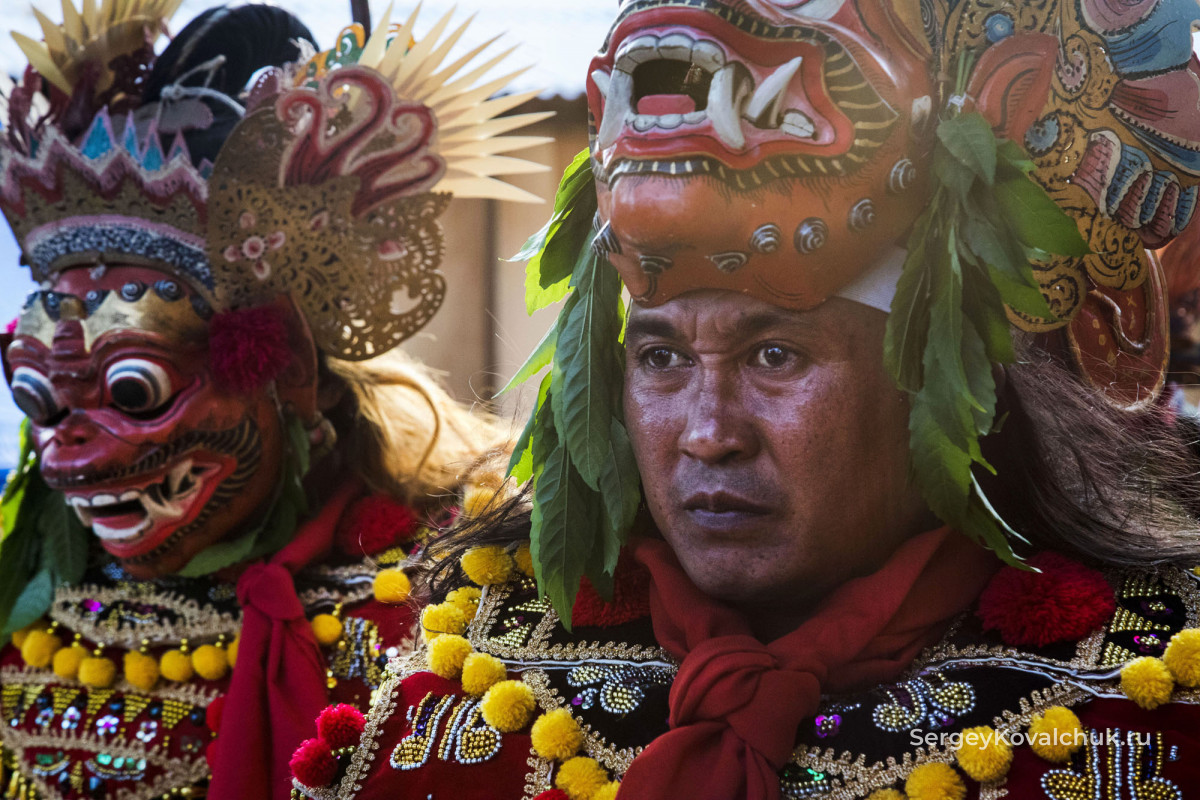
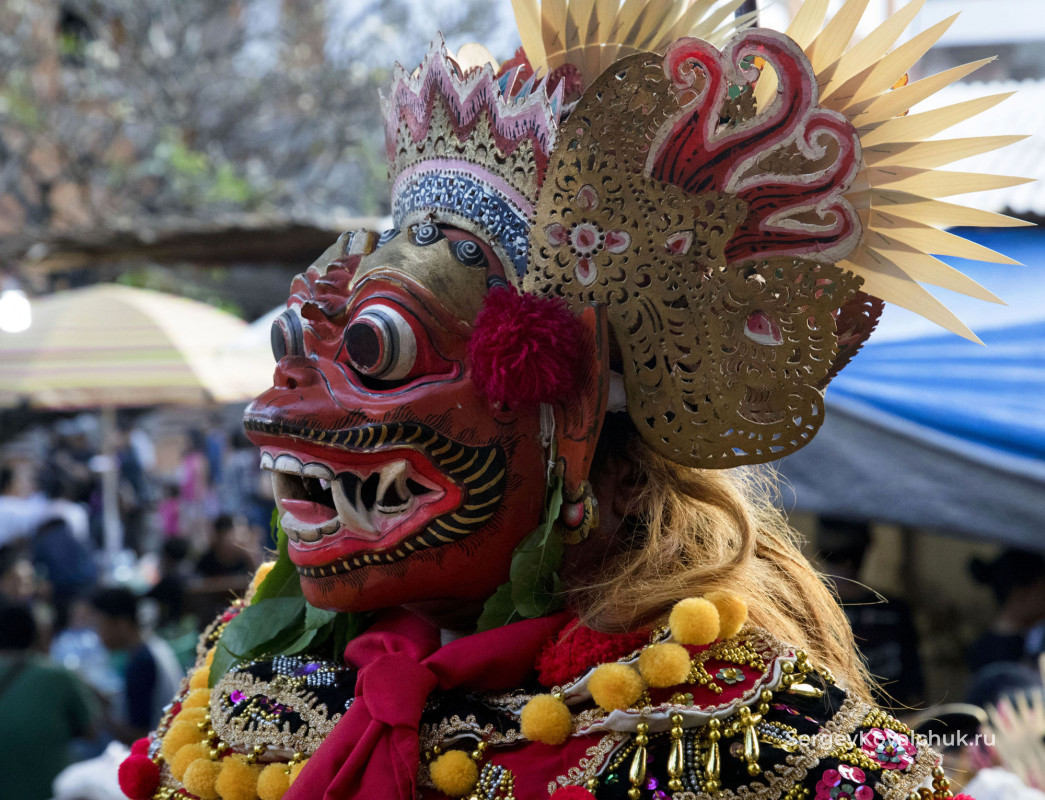
Many spectators at the festival gather before the where actors perform wayang wong dance drama. Wayan wong is a performance during which the dancers act in masks and multilayered colorful costumes. Most Balinese performances are typically based on scenes from the Ramayana epic. The most impressive in their colorful appearance, threatening masks, and expressive acting are the actors who perform the roles of demons as well as the monkeys from Prince Rama’s army. To recognize the importance of this form of theater art, UNESCO has listed wayang wong among the masterpieces of the Intangible Heritage of Humanity.
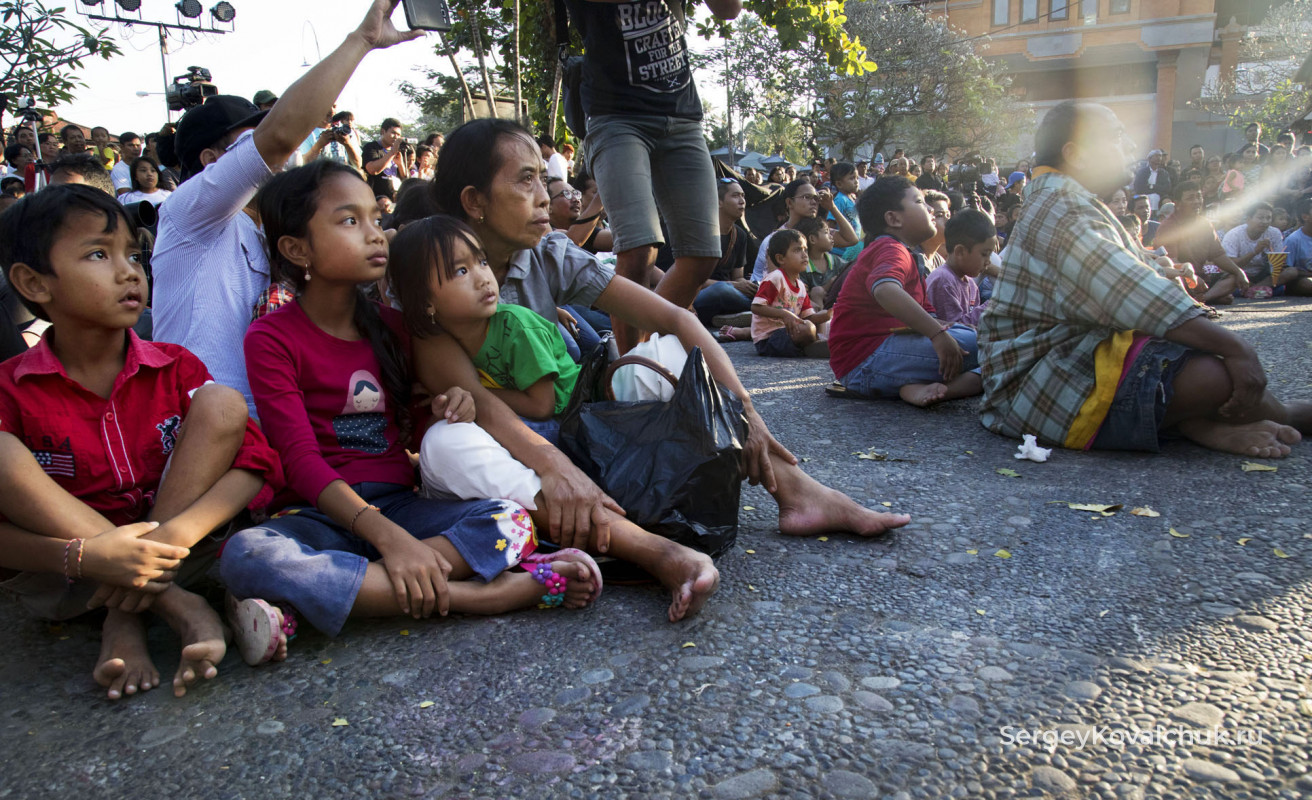

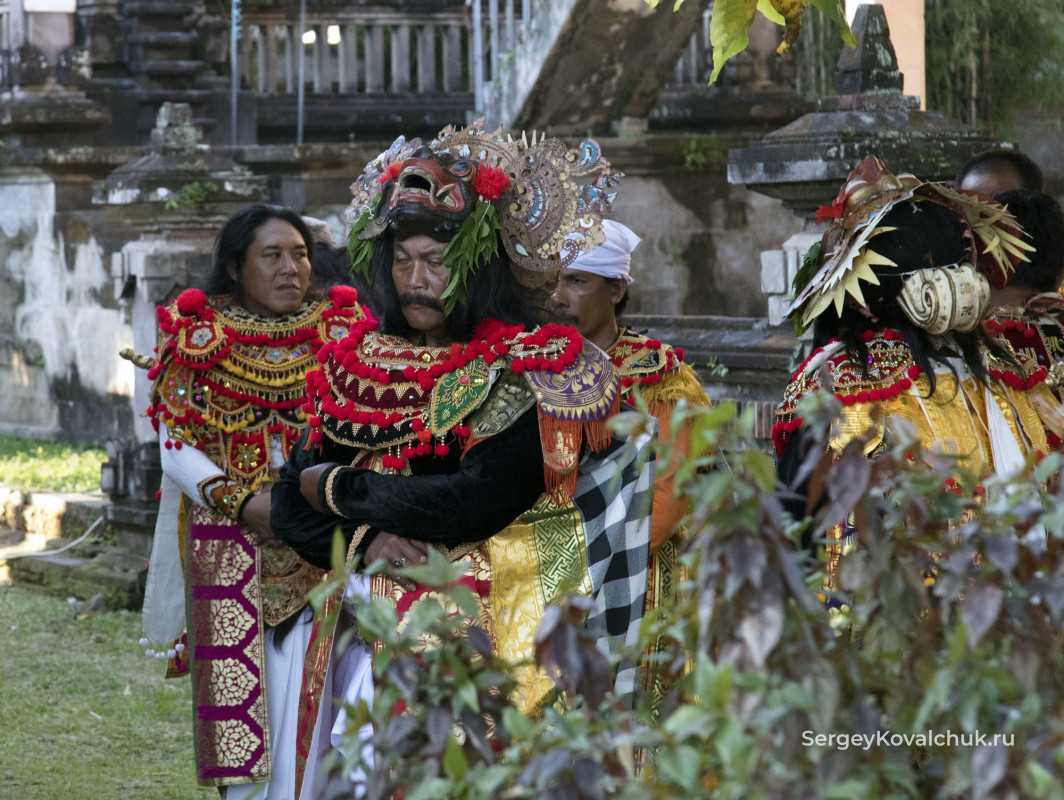
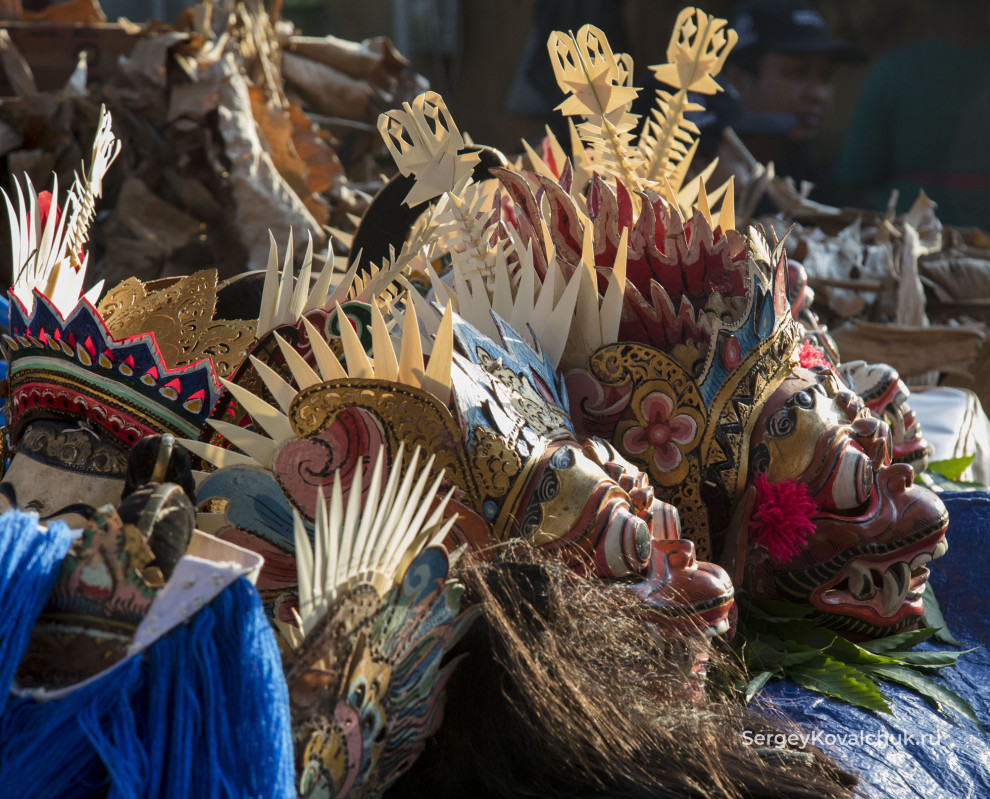

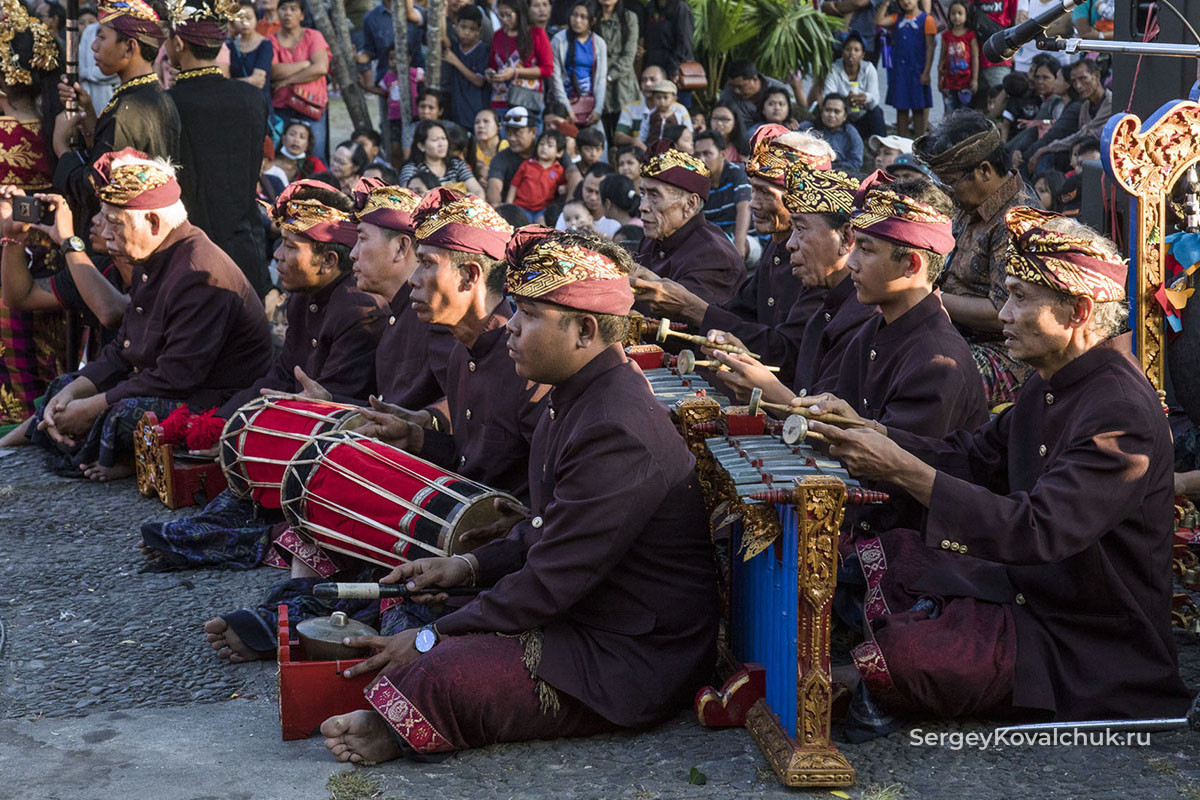


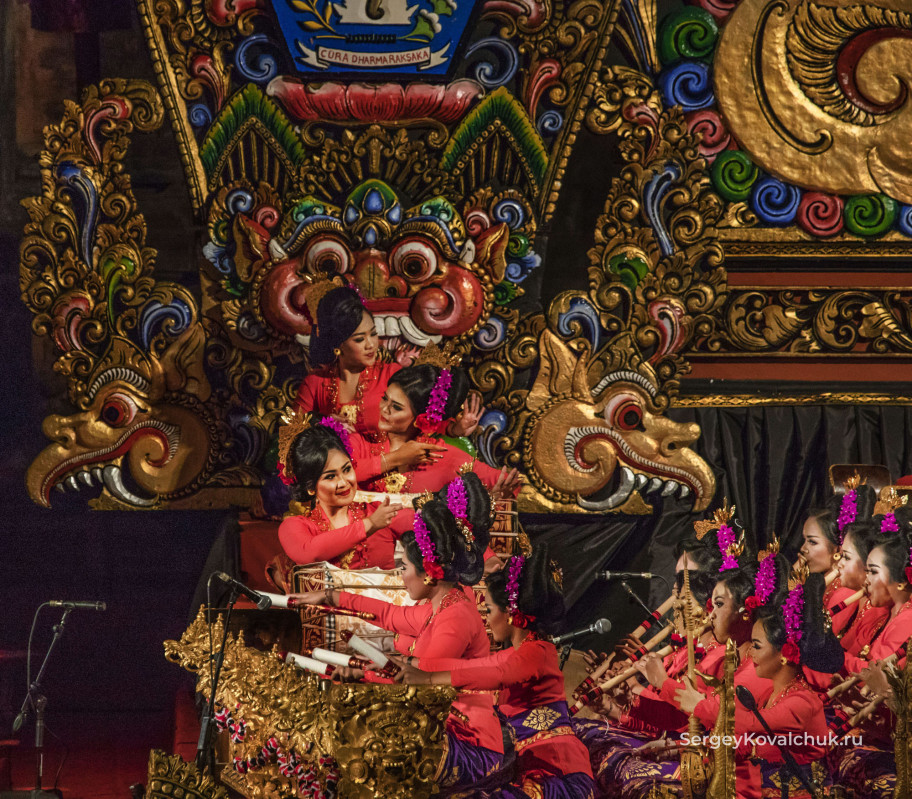
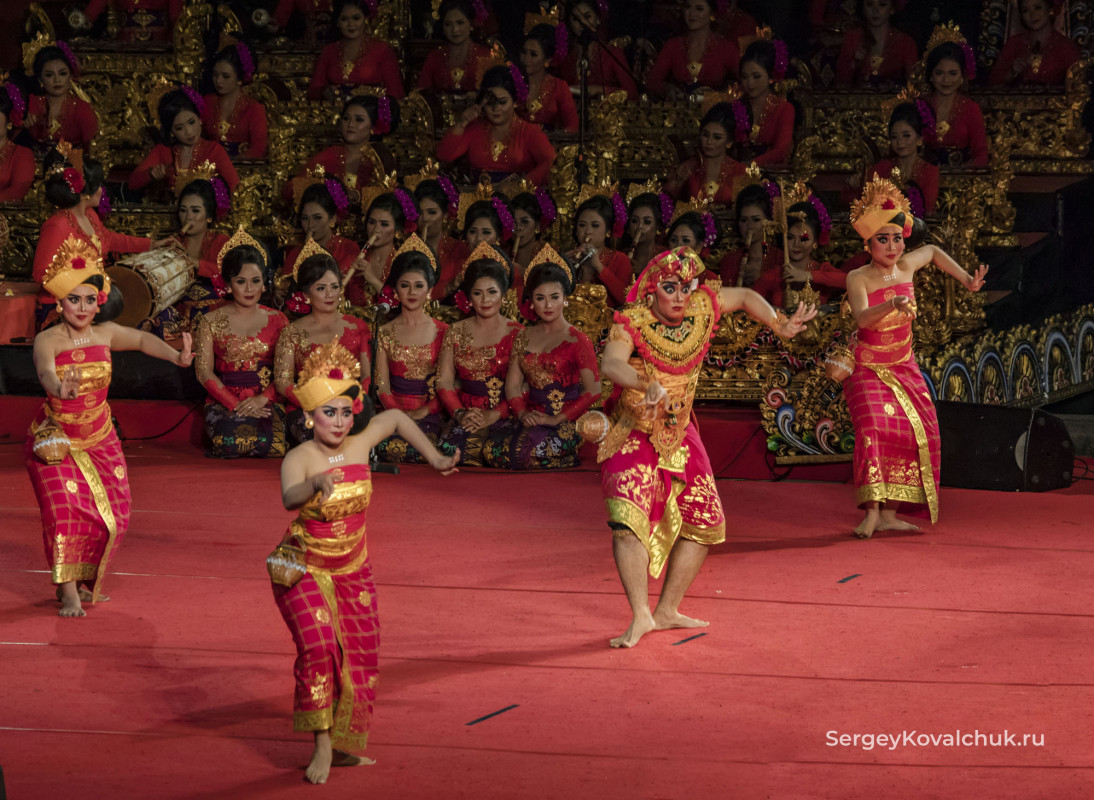
In the evening the main act takes place on the main stage of the Art Centre: a large amphitheater that fits approximately 6,000 spectators, who arrive long before the show begins. This is where the competition of traditional orchestras takes place. Every troupe includes gamelan musicians, singers, and dancers.

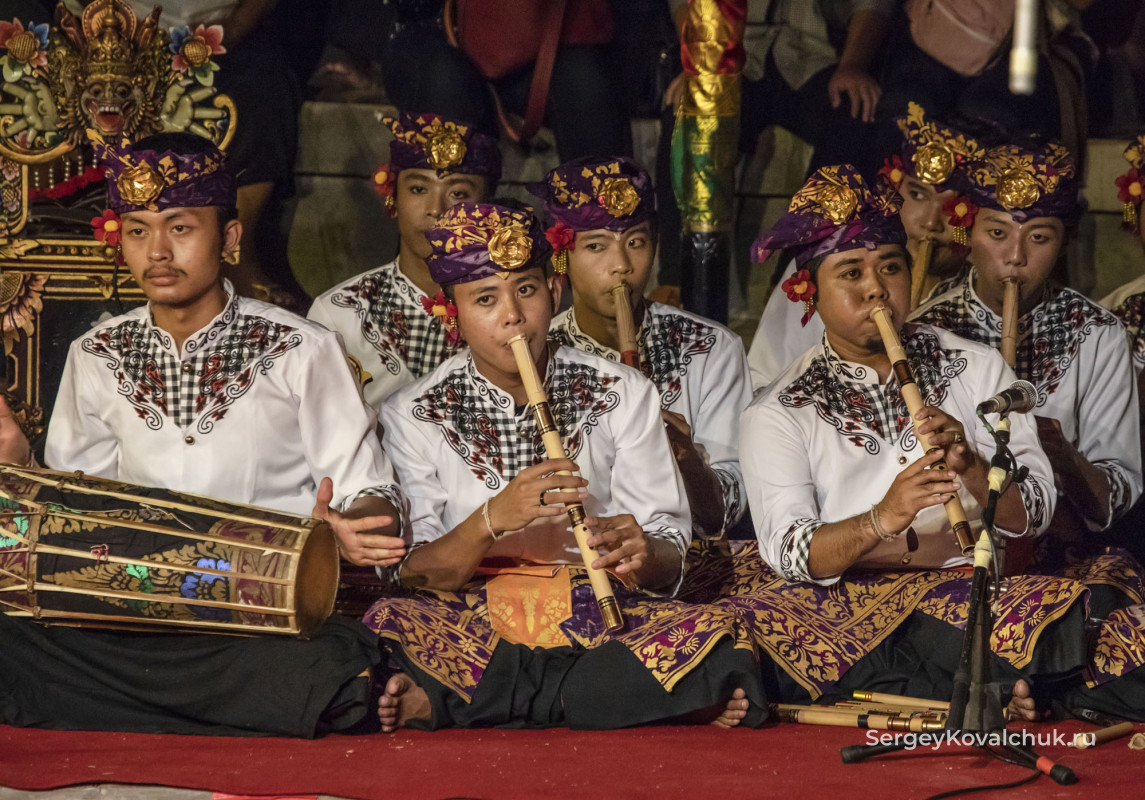
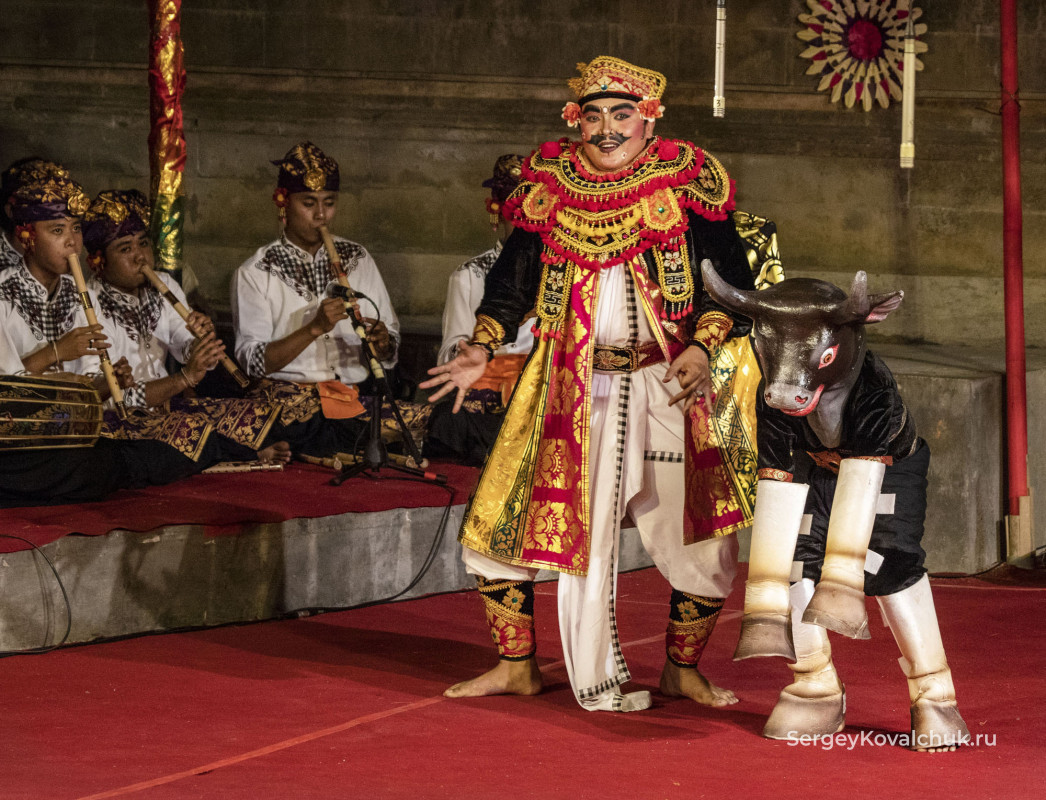
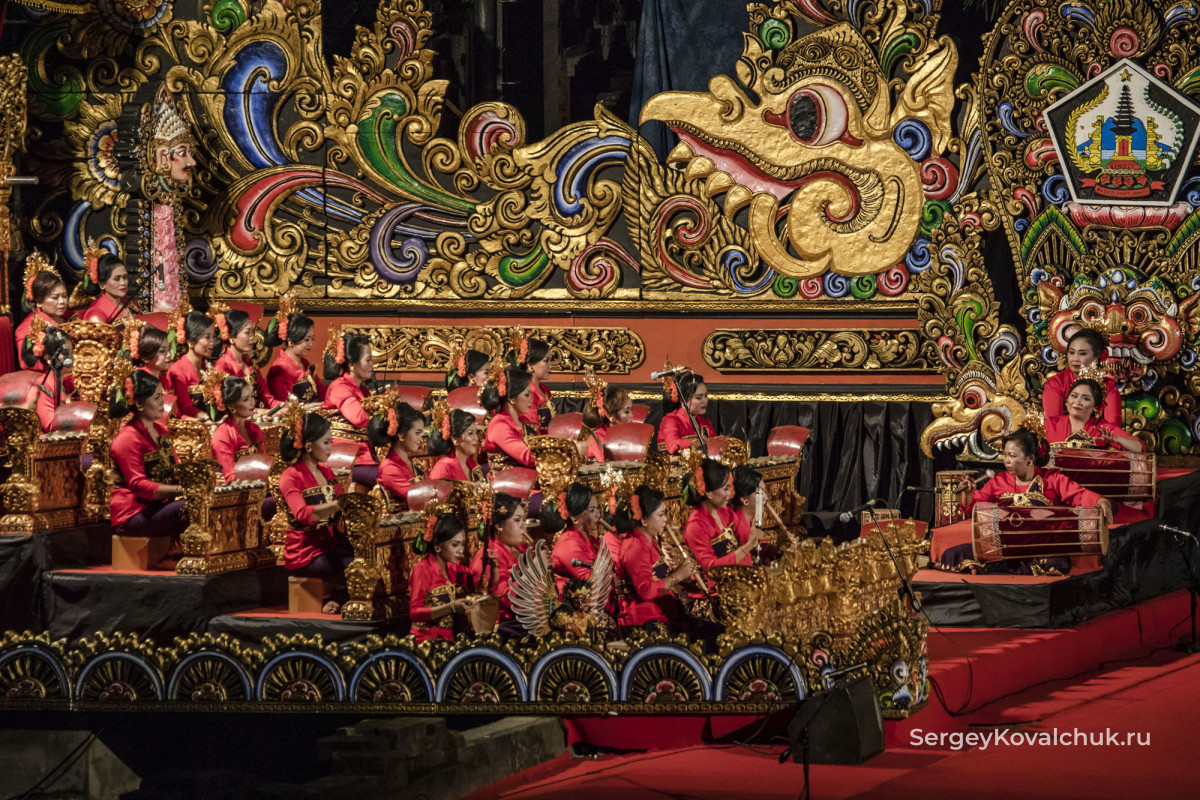
The performances by all-female gamelan orchestras are spectacular to behold.
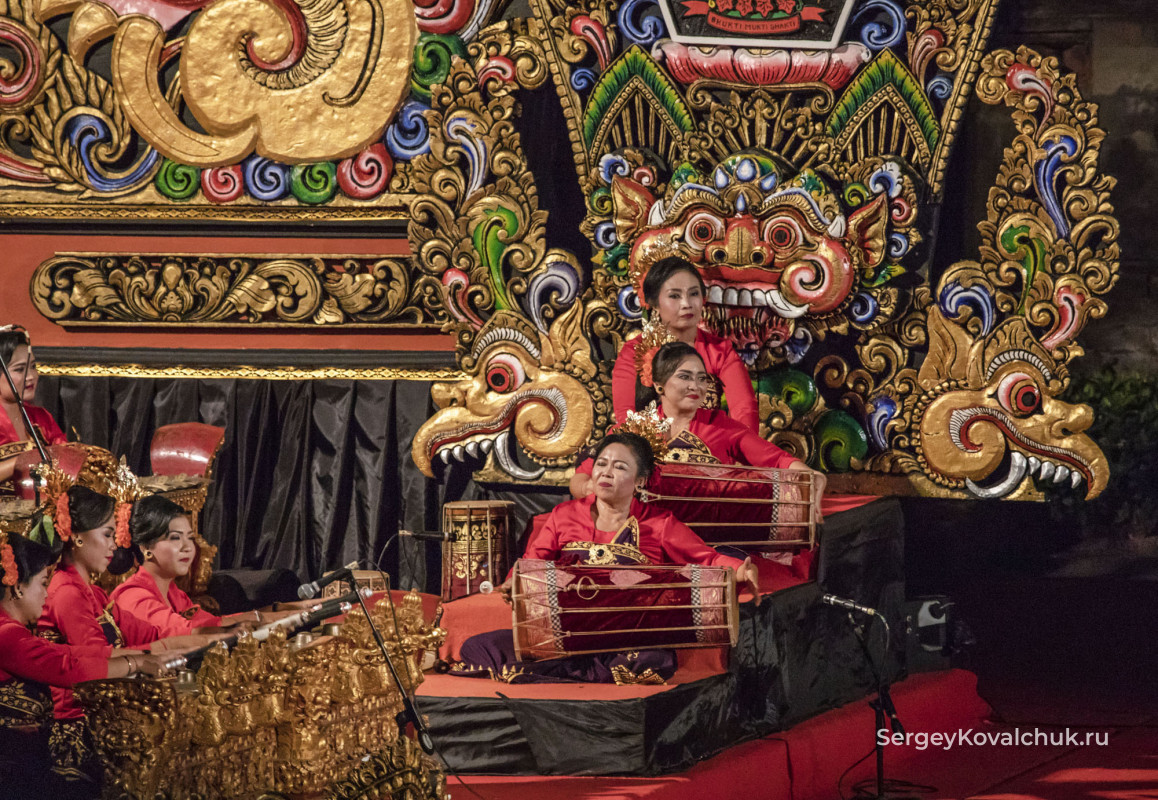


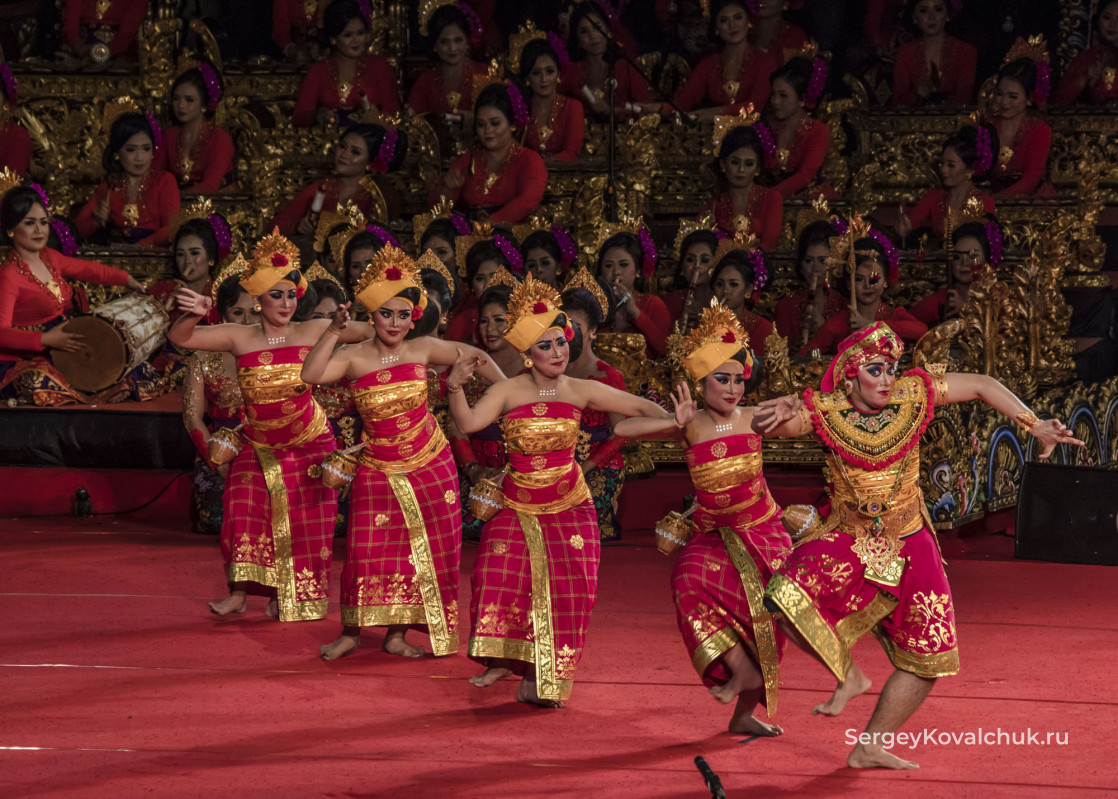
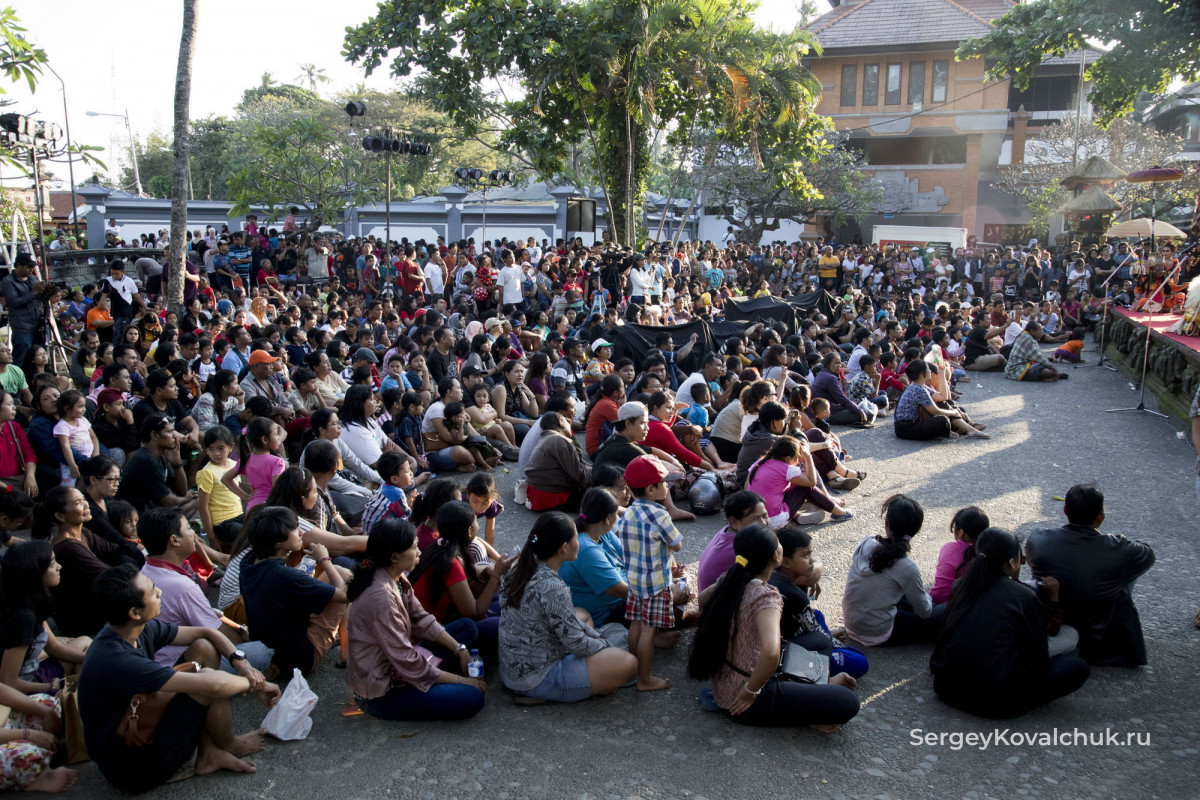
Most visitors who patronize the Bali Arts Festival are local residents. As surprising as it may sound, there are very few foreigners in the audience, even though an enormous amount of tourists travel to Bali—for example, in 2018, Bali had more than 6.5 million visitors. At the same time, local tour agencies organize concerts, which they charge a fee to attend, and these attract large groups of tourists.
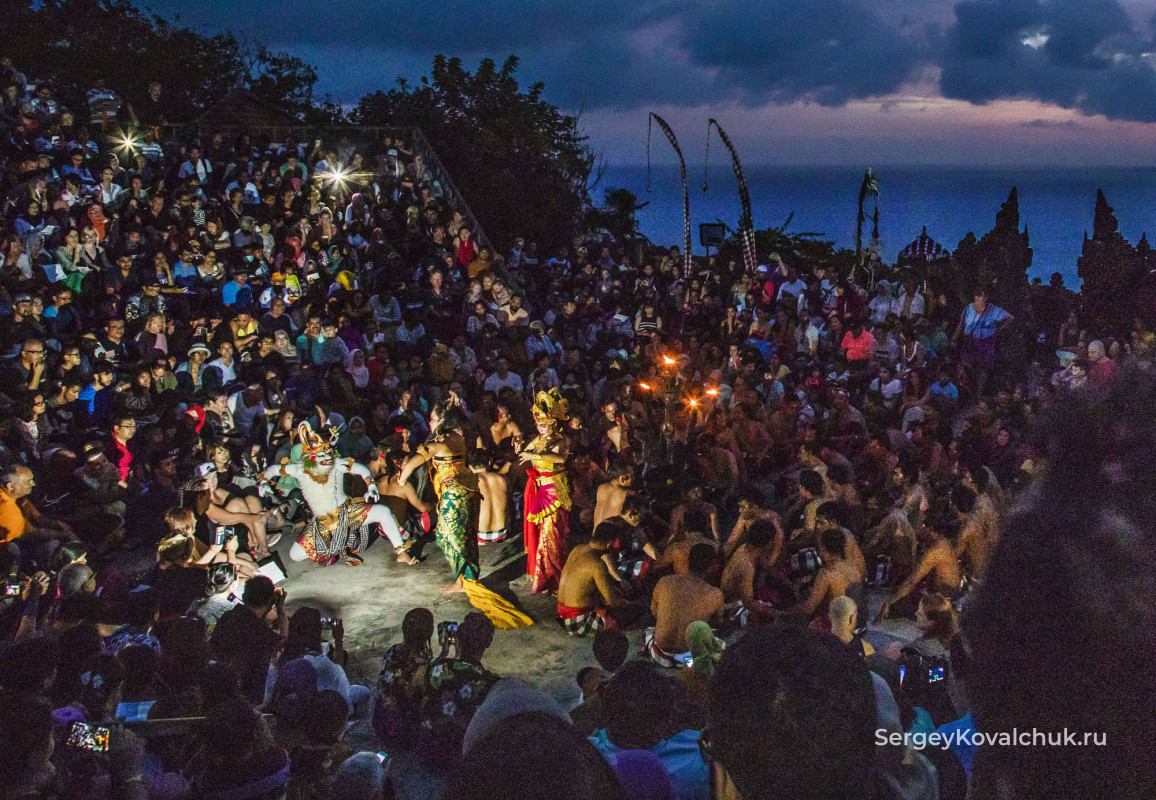
Kecak is one of the most famous Balinese music drama performances. It has roots in the ancient sacred sanghyang, a trance-inducing dance performed by men as a kind of offering to the deities. In the 1930s, Walter Spies, a German painter and musician of Russian origin, who lived in Bali and was deeply interested in Balinese culture, adapted sanghyang as a new performance called kecak. It is based on episodes of the Hindu Ramayana epic.
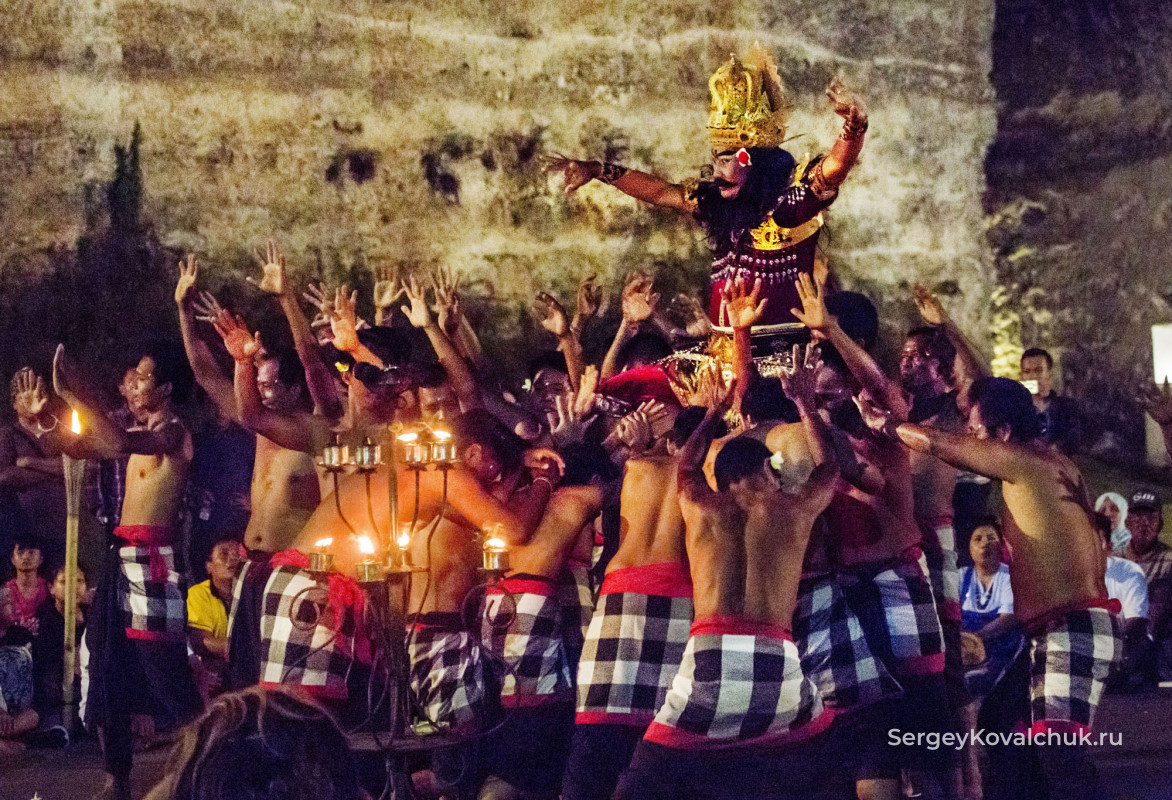
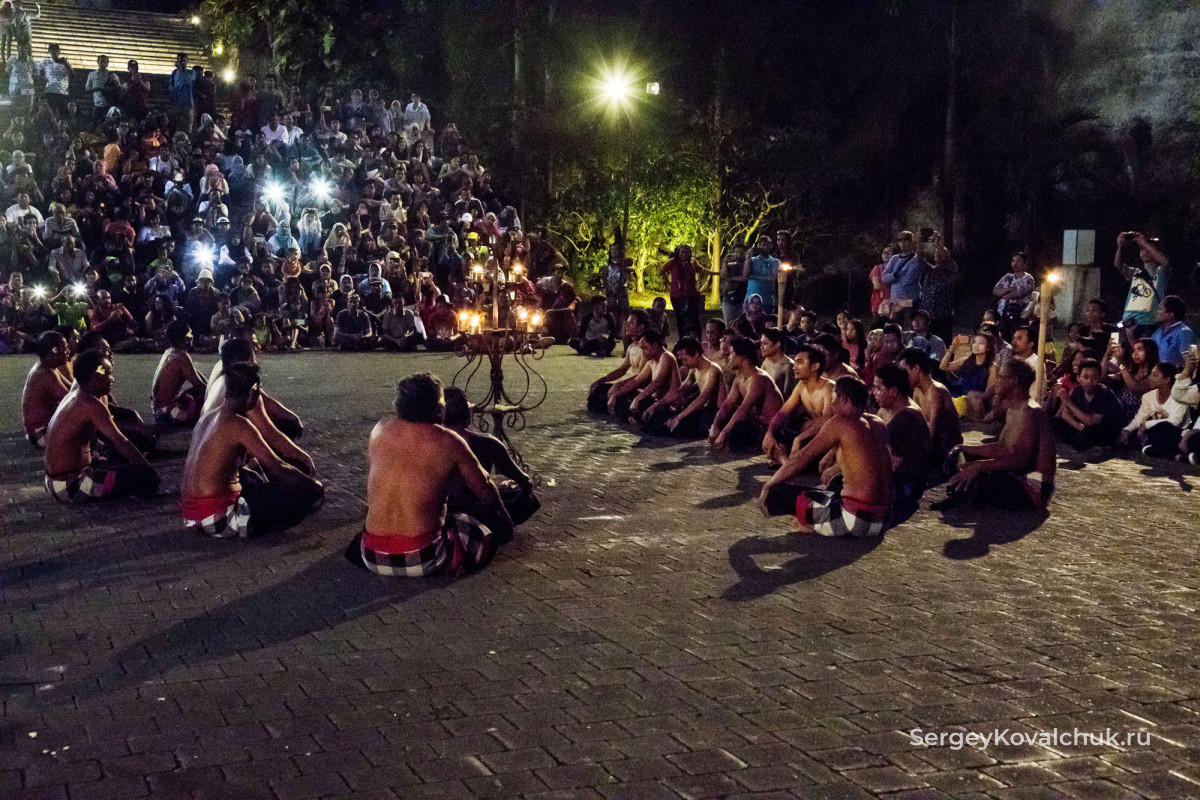
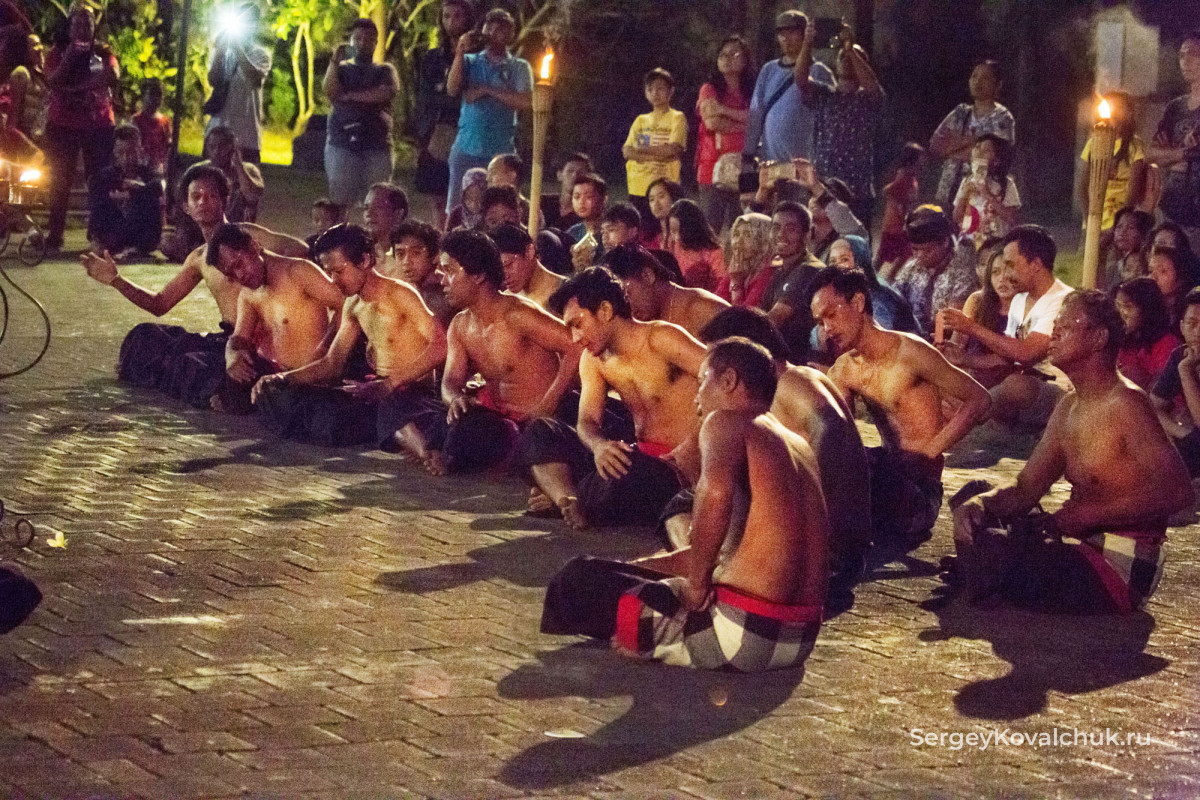

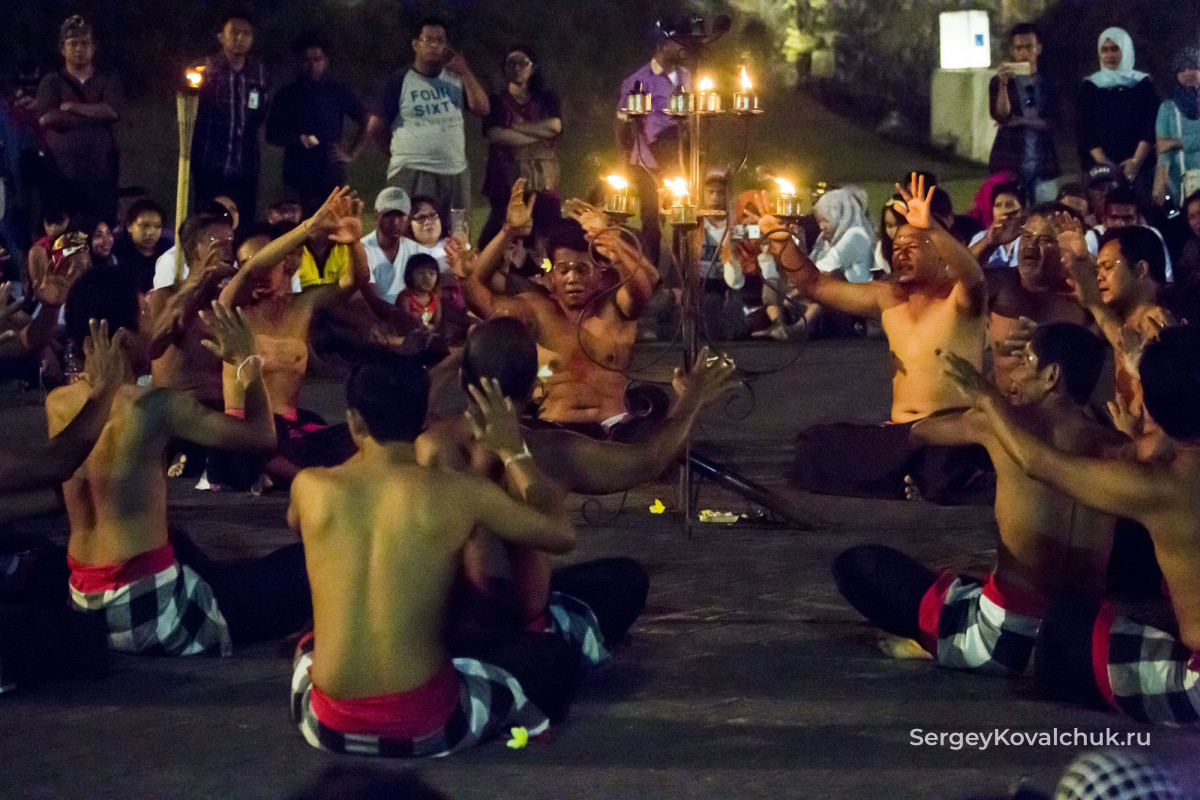
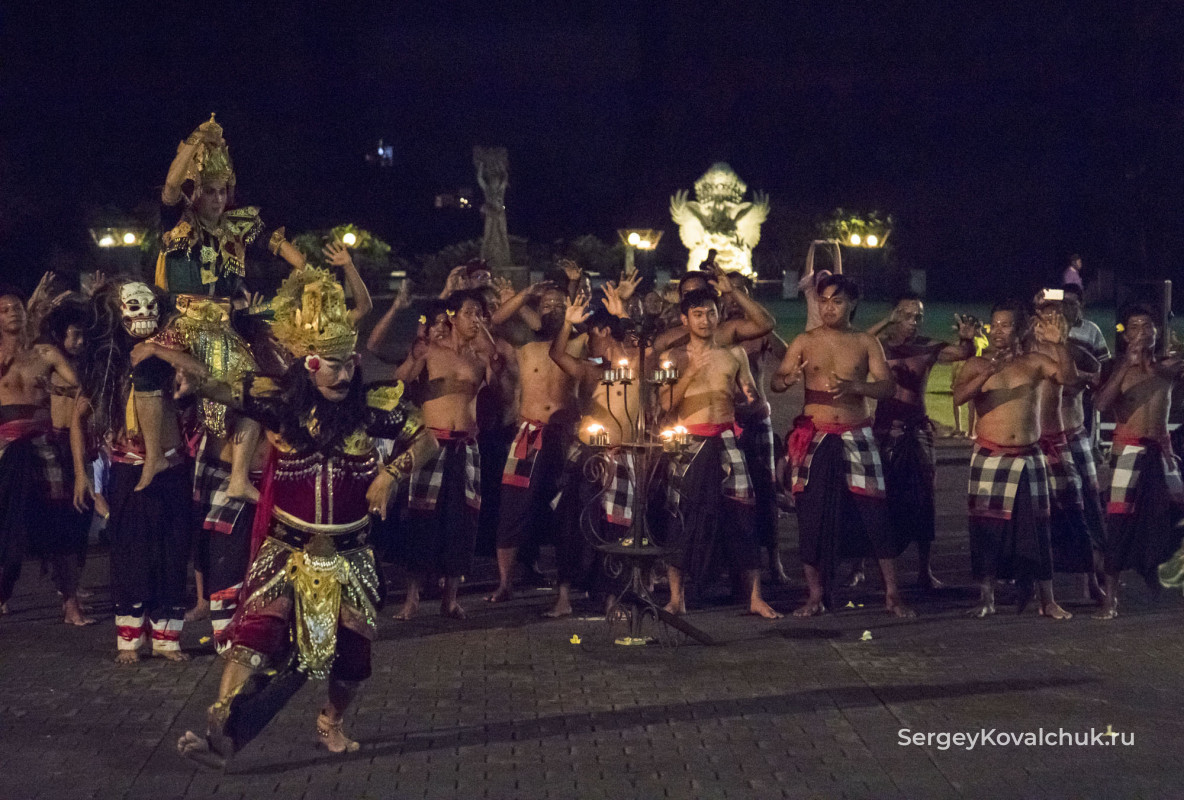
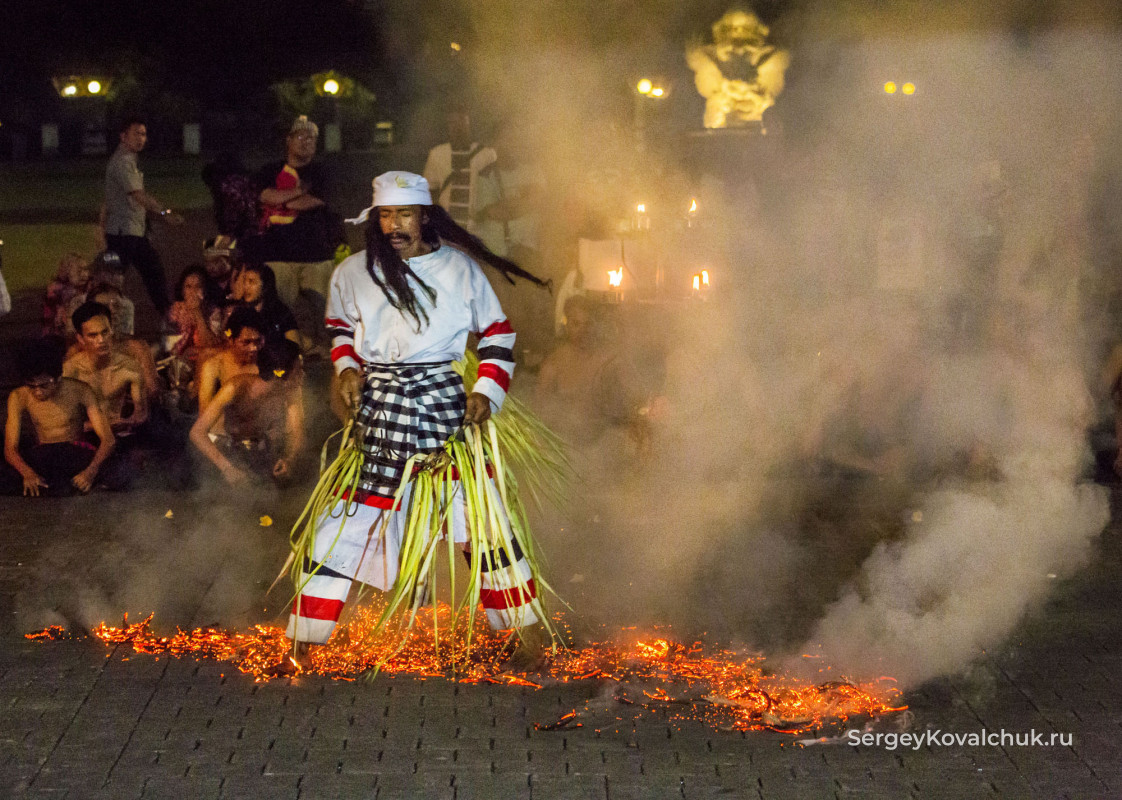
More than 100 half-nude men dressed in checkered sarongs take part in kecak. They sit around a small central stage upon which the main dramatic act takes place. Dancers impersonate the monkey army helping Prince Rama in the battle against the demon Ravana. They loudly chant the words “chak ke-chak ke-chak ke-chak,” imitating monkey sounds, and during decisive monents they throw their hands toward the sky or jump to their feet.
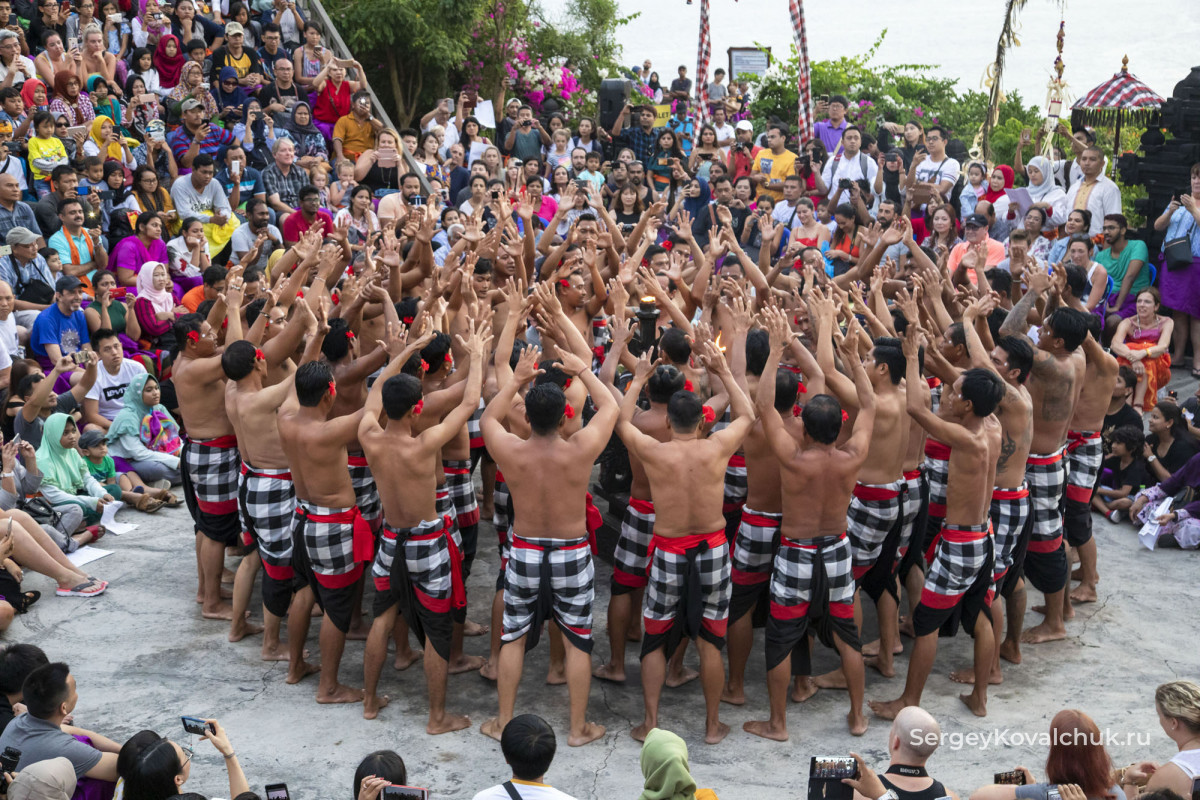
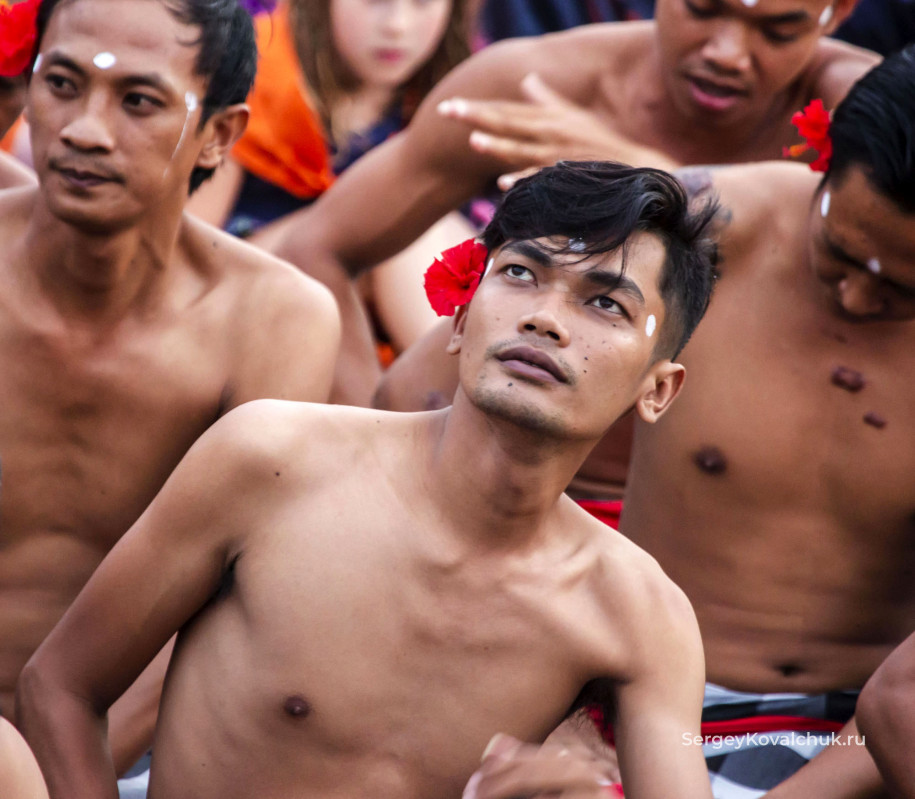
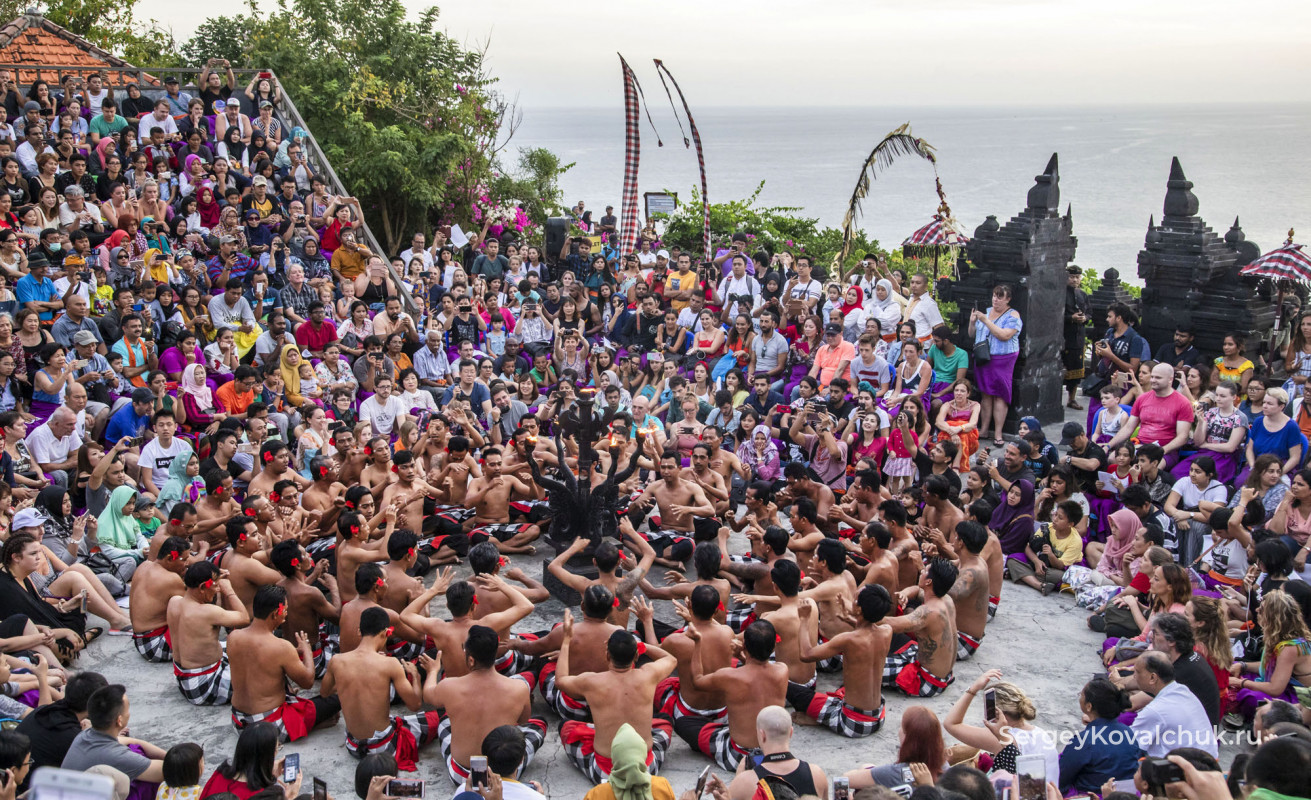

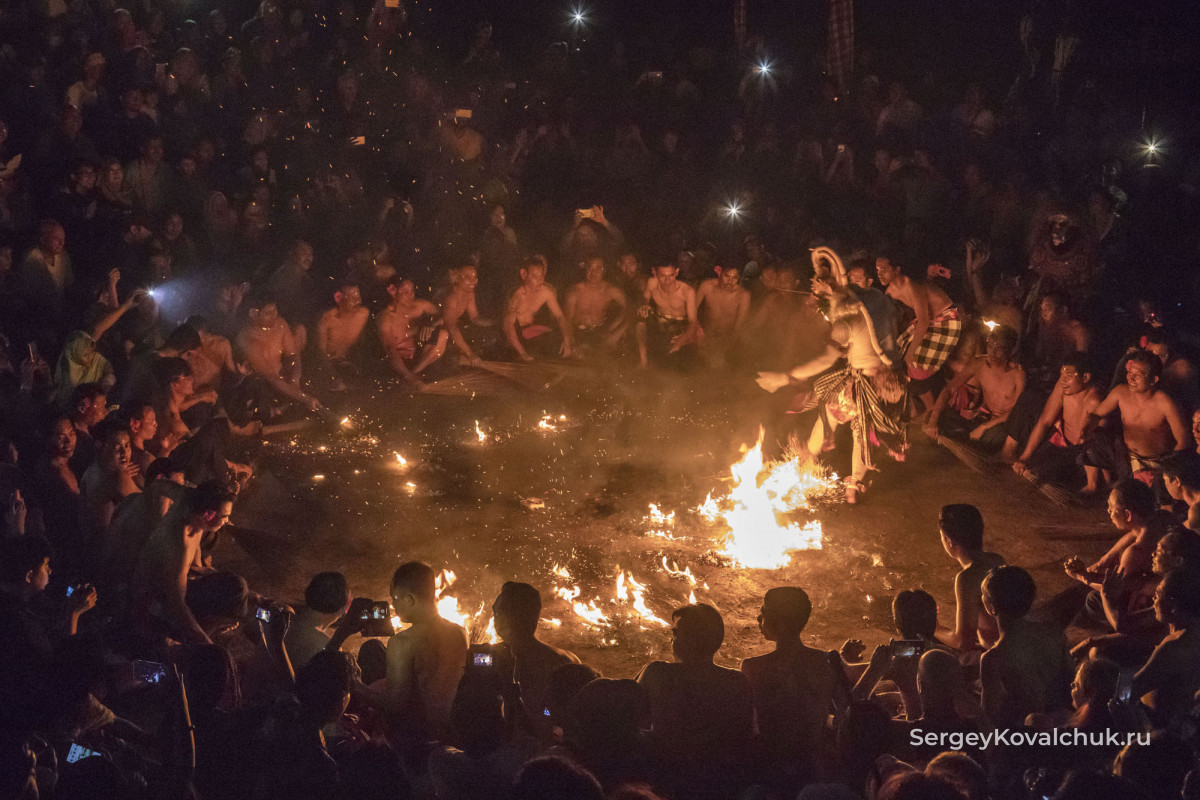
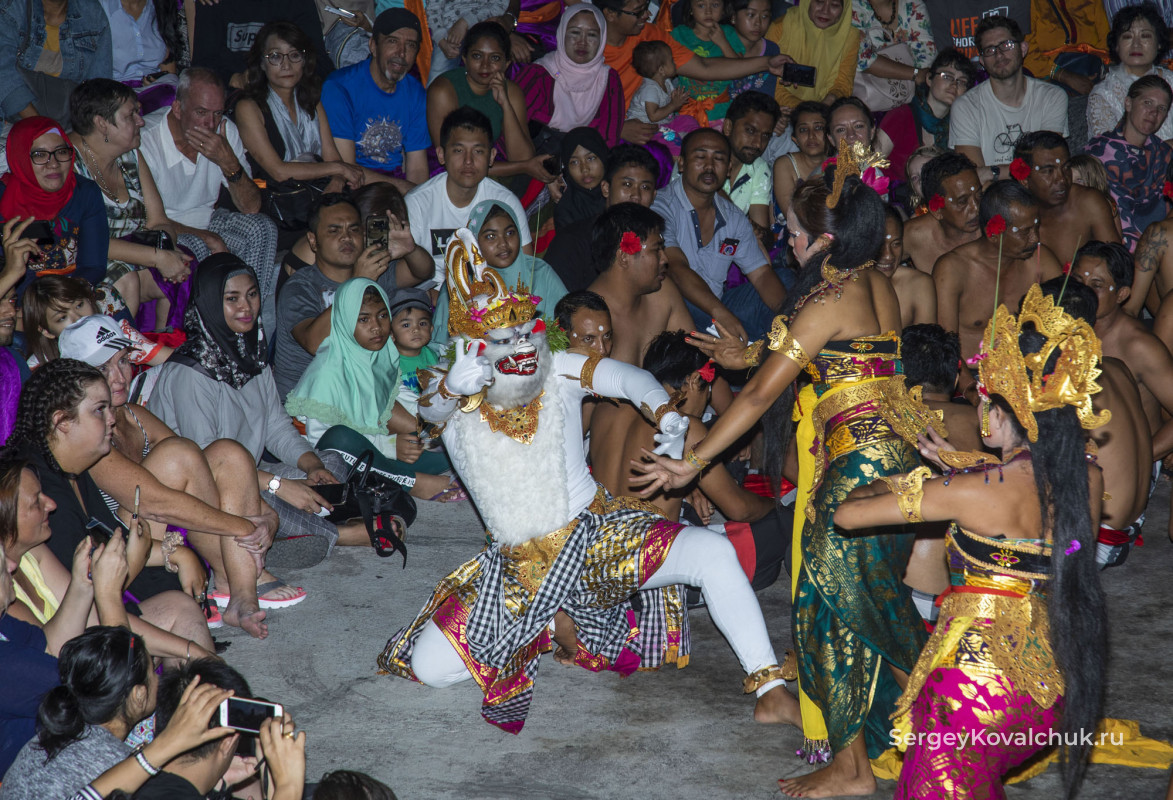
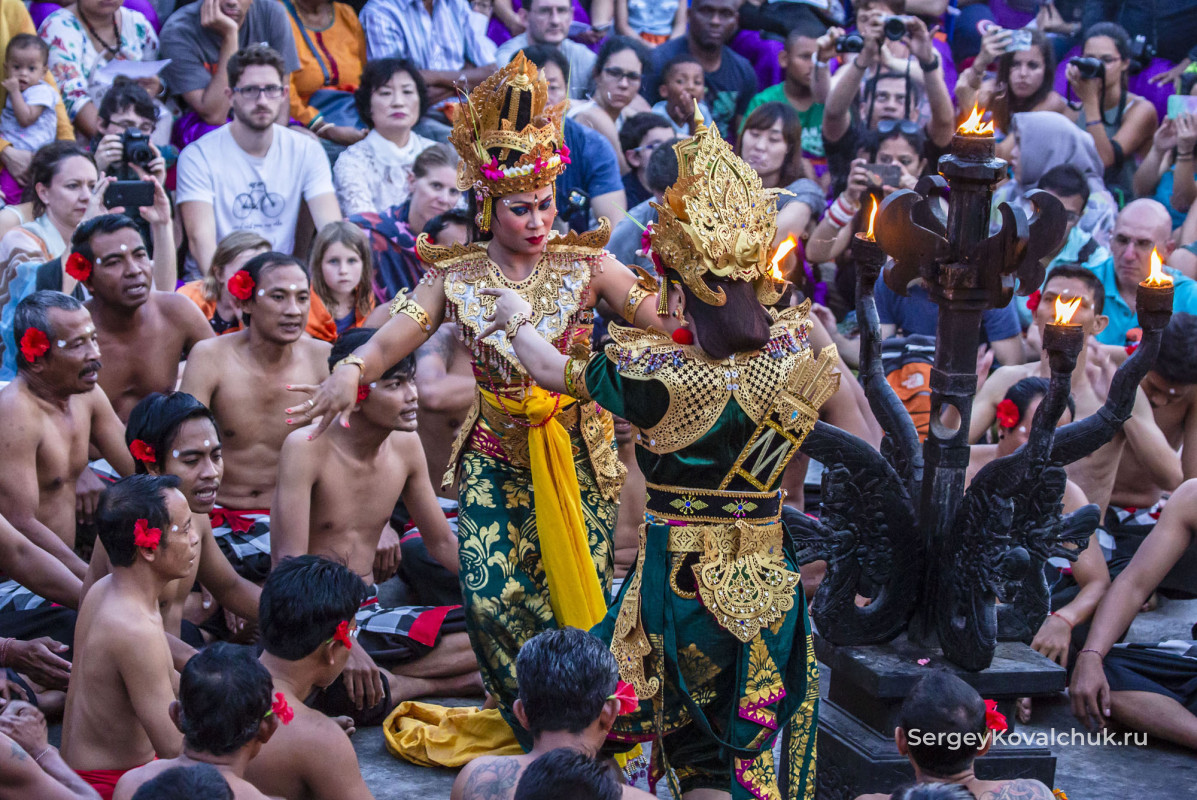
Kecak is a very popular dance; it has gained world fame. In Bali one can see it performed at several venues practically every day.